Brushing your dog’s teeth can be a real battle. Here are six vet-reviewed ways to support cleaner dog teeth at home, plus which PetLabCo.® product supports each one.

- Home/
- Dog/
- Health & Wellness/
- 6 Vet-Backed Ways to Support Clean Dog Teeth At Home
6 Vet-Backed Ways to Support Clean Dog Teeth At Home
Published by
Aug 27, 2024
Updated Jul 28, 2026
9 min read·Updated: Jul 28, 2026
Reviewed by

Fact checked by
Written by Carol Bryant – Immediate Past President of the Dog Writers Association of America. PetLabCo.® Contributing Writer.
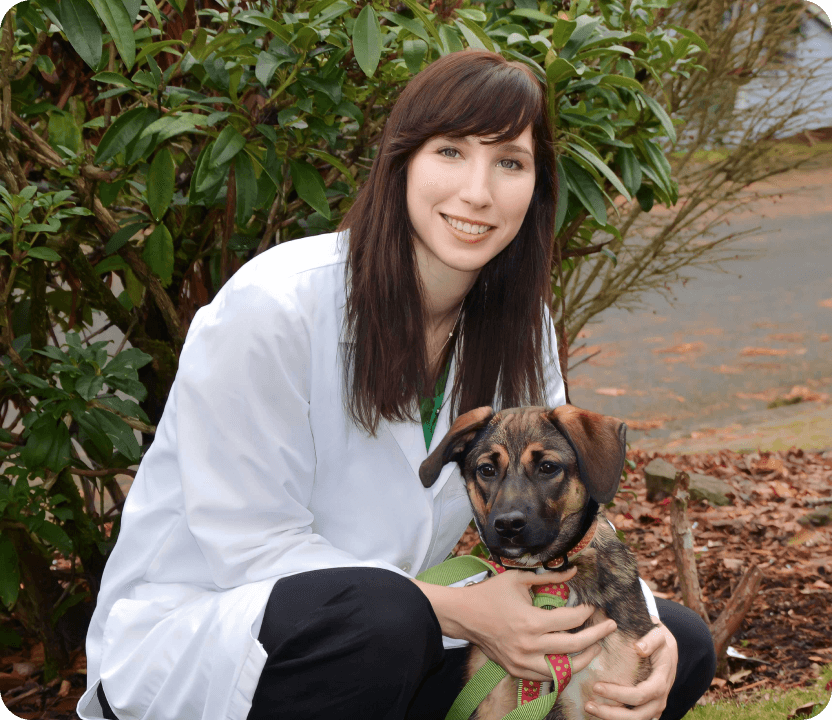
Reviewed & fact-checked by Liza Cahn, DVM – 2013 graduate of Michigan State University College of Veterinary Medicine. PetLabCo.® Consultant.
Editorial process: All articles at PetLabCo.® Learn are based on clinical evidence, veterinary expertise, and hands-on practice. Articles are updated as new evidence emerges.
Most dogs don’t love having a foreign object roaming around their mouth. Bristles can feel uncomfortable, technique matters, and trying to brush my dog’s teeth sometimes feels like wrestling an octopus. I’m not alone – only about 8% of dog moms and dads brush their pup’s teeth daily (Ipsos). The good news is that there are ways to support clean dog teeth at home, even for brush-resistant pups.
In this vet-reviewed guide, I’ll walk through six stress-free ways to support clean dog teeth at home. None of them replace daily brushing or regular professional vet dental cleanings, but used consistently, they may be a beneficial part of your dog’s regular oral care routine.

Why Consistent Dental Care is Crucial for Dogs
Imagine never being able to clean your teeth. That’s the reality dogs face every day. We have to take the lead on dental care because they can’t.
I asked Sharon Daley, DVM, of Wake Forest, California, and Katie Hood, DVM, of Hamptons Road Virginia, for their advice on how best to support our dogs’ dental hygiene at home and which oral care products might be helpful in promoting fresher breath and whiter teeth.
Drs Daley and Hood both say that while it’s ideal to start dog teeth cleaning when they’re puppies, there’s still plenty of time to improve your dog’s oral hygiene when they’re older. As Dr Daley, puts it: “Old dogs really can learn new tricks. It is never too late to start a routine.
Below are six supportive options Drs Daley and Hood recommend that pair well with daily brushing and may help support clean dog teeth between professional vet cleanings.
6 Vet-Backed Ways to Support Clean Dog Teeth At Home
1. Dental Sticks
Dogs have an innate desire to chew. A well-designed dental stick works with that instinct – as the dog chews, abrasive grooves or textured ridges make contact with the tooth surface and along the gumline.
Katie Hood, DVM, of Hamptons Roads, Virginia, told me: “Dental sticks are great because they’re designed to scrape.” This manual action helps break down dirt and debris, for cleaner dog teeth.
Choose one sized for your dog and matched to their chewing style. I always read reviews and supervise the first few sessions.
Product I use: PetLabCo.® Prebiotic Dental Sticks

A daily-use dental stick with a unique design to target tartar, help support fresher breath and keep teeth clean – even in hard-to-reach areas.
I keep a bag in the pantry for after-dinner chews.
2. Dental Toys

Busy dogs are happy dogs. Chew toys with textured surfaces can help clean teeth and massage gums while my dog thinks he’s just having fun.
Dental toys come in many styles – plastic bones, bacon-scented nylon toys, natural rubber toys with grooves and ridges, and toothbrush-shaped toys. When picking one, I consider size and how aggressively my dog chews. No toy is 100% indestructible, so I always supervise.
3. Canine Dental Powders
A canine dental powder is one of the easiest brush-free options because you sprinkle it into your dog’s bowl and your dog has no idea their oral care routine is happening. I look for a product that is clinically studied, veterinarian-reviewed, and carries the NASC seal of approval.
If you want the deeper science on how these products work, I break it all down in my article: How Dog Teeth Cleaning Powder Works: A Vet’s Complete Guide.
Product I use: PetLabCo.® ProBright® Advanced

A vet and nutritionist formulated dental powder for dogs (suitable for puppies 12 weeks and older).
A 28-day clinical study found PetLabCo.® ProBright® Advanced significantly reduced hydrogen sulfide, a leading cause of bad-breath odor, by 40% versus baseline.†
4. Ingestible Add to Water Formulas
Some pet parents prefer an ingestible add to water mouth rinse for oral hygiene support. Mixing a teaspoon of a formulated water additive into eight ounces of drinking water is one of the easiest things you can add to your day.
The formula I use is flavorless, so my dog is unaware he’s doing anything other than drinking water. Dr. Hood says adding a dental rinse to your dog’s water bowl is one of the lowest-effort things a pet parent can do.
Always follow the manufacturer’s instructions and look for products made in the United States. If you have both dogs and cats, make sure the product is suitable for both species.
Product I use: PetLabCo.® Dental Formula

A flavorless ingestible add to water mouth rinse for dogs over 12 weeks. Mix one teaspoon per eight ounces of drinking water – that’s it.
Shop PetLabCo® Dental Formula →
5. Dog-Safe Fruits and Vegetables

Feeding dog-safe fruits and vegetables has many benefits. I always check with my vet before adding any new food. Dogs have a shorter digestive tract than humans, so they can’t break down large chunks or whole vegetables, and some human foods are not suitable for canines. To keep the overall diet balanced, treats, including fruit and veg, shouldn’t make up more than 10% of daily calories.
In PetLabCo.®’s article How to Freshen a Dog’s Breath Naturally, you can learn about the breath-freshening properties of carrots, blueberries, apples, celery, and more. The abrasive action of crunching a carrot can help scrape food particles from teeth. Crunchy celery can also help break up debris between teeth.
Not all fruits and vegetables are suitable for dogs, so be cognizant of which ones are safe before offering them.
6. Dental Wipes
Dental wipes are gentle on gums, easy to travel with (I keep some in the car), and a good on-ramp for dogs who struggle to tolerate a toothbrush. Some are designed to slip over your finger with a bumpy side to help clear debris and a smoother side for polishing.
The way I introduce wipes: I start by gently touching the outside of my dog’s face and mouth, then reward. I graduate to gauze wrapped around a finger with a bit of warm water. Then I transition to dental wipes, always with lots of praise. I never scold my dog for pulling away – slow and steady wins.
Product I use: PetLabCo.® Dental Finger Wipes

Textured finger wipes I use several times a week – gentle on gums and small enough to keep in the car for travel.
Especially useful for older dogs who won’t accept a brush, or as an on-ramp for dogs who are still learning to tolerate one.
How to Choose A Supportive Teeth Cleaning Product for Your Dog
Every dog is different. My rule of thumb: pick two methods that fit your dog’s temperament and stack them daily. For me, that’s an ingestible add to water formula in the bowl plus a dental stick after dinner – five seconds of my time in exchange for a genuinely useful routine.
Here’s the quick-glance comparison I share with friends who ask:
| Method | Effort | Best for | PetLabCo.® option |
| Dental sticks | Low | Dogs who love to chew | Prebiotic Dental Sticks |
| Dental toys | Low | High-energy chewers | — |
| Dental powder | Very low | Fussy dogs / on-food routines | ProBright® Advanced |
| Ingestible add to water mouth rinse | Very low | Multi-pet homes / hands-off owners | Dental Formula |
| Fruit & veg | Low | Treat-motivated dogs | — |
| Dental wipes | Medium | Older / brush-averse dogs | Dental Finger Wipes |
Remember, these are supportive options that work well alongside regular tooth-brushing and do not replace brushing or professional vet cleanings.
Final Thoughts: Small Habits, Cleaner Teeth
The at-home methods in this article should never replace vet visits or regular toothbrushing. But the daily habits I choose in between vet visits are what help support my dog’s fresher breath and cleaner teeth in between. That’s a pretty good payoff for five seconds spent giving their daily powder or dental stick.
If you want my pick for the highest-impact, lowest-effort product to add today, it’s a dental powder given at mealtime. If you want to see why, my ProBright® Advanced review walks through the study data and the trade-offs.
Disclaimers
Clinical study – bad-breath compound reduction (†)
† A 28-day clinical study found PetLabCo.® ProBright® Advanced significantly reduced hydrogen sulfide, one of the most common compounds that produces bad breath, by 40% in a dog’s mouth.
General
PetLabCo.® products are not intended to diagnose, treat, cure, or prevent any disease. Individual results may vary. Always speak with your veterinarian before introducing a new supplement, especially if your dog has known sensitivities or existing dental concerns. Ingredient lists and quantities accurate at time of writing.
Related Products

Recommended Reading


 C
CWritten by
Carol Bryant
Carol is the Immediate Past President of the Dog Writers Association of America and is well-known in the pet industry, appearing on television, radio shows, and podcasts, as well as in articles from CNN and Yahoo to Dogster and Today.com. She is a copywriter, content marketer, and awarded blogger who owns FidoseofReality.com and SmartDogCopy.com.Stay up to date
Get notified when I publish something new, and unsubscribe at any time.