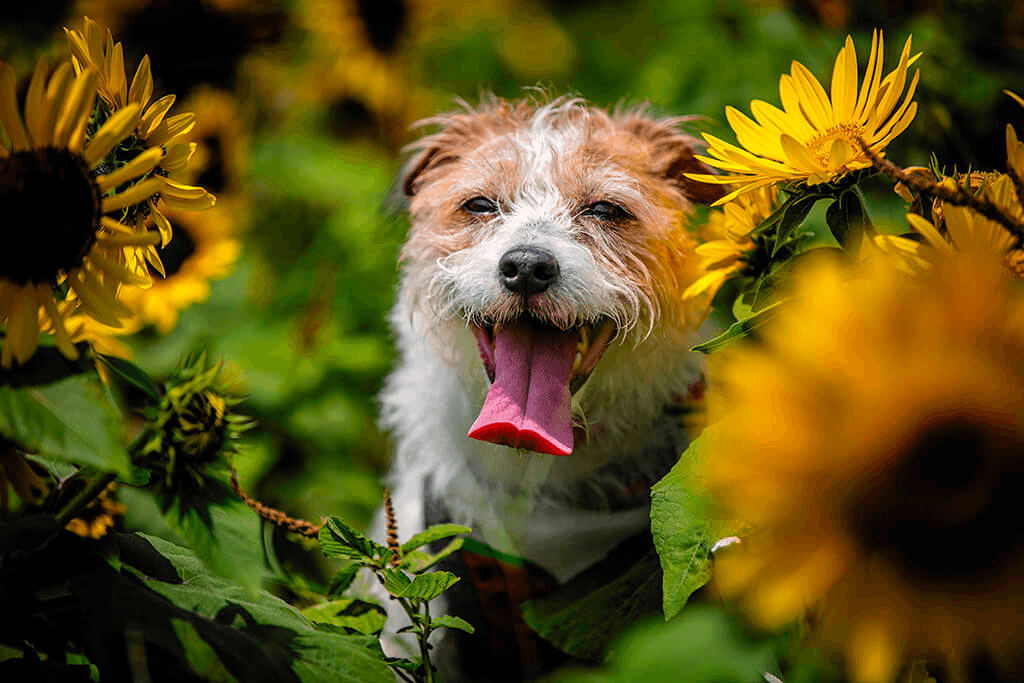
Bringing home a new puppy? Learn how to take care for them with this helpful guide, vet-reviewed by PetLabCo.® consultant Dr Legend Thurman, DVM. We cover all the basics for a blissful first few weeks with your puppy, from feeding to training and bonding!

- Home/
- Dog/
- Health & Wellness/
- How To Take Care Of Your Puppy: A Care Guide for New Pet Parents
How To Take Care Of Your Puppy: A Care Guide for New Pet Parents
Published by
May 01, 2026
Updated May 01, 2026
15 min read·Updated: May 01, 2026

Vet-reviewed by Dr Legend Thurman, DVM, MSL, CVBP, MRCVS, PetLabCo.® Consultant
This guide contains helpful expert advice for new pet parents on how to take care of a puppy, from establishing daily routines, to starting dental care and ensuring a healthy, active lifestyle. PetLabCo.® ‘s consultant veterinarian, Dr Legend Thurman, DVM, MSL, CVBP, MRCVS, has helpful tips and important considerations to share.
Good to know: While the basics of puppy care are consistent, your puppy’s needs may change as they grow. Factors like breed, size, and temperament can all influence how much exercise, training, and support they may need over time.

Puppy Care: Advice For New Pet Owners

General Puppy Care: Routine, Exercise, Potty Training & Sleep


Puppy Behavior: Socialization, Mouthing & Hiccups


Puppy Dental Care: When To Start, Keeping Breath Fresh & Teething


Proactive Puppy Care: Probiotics, Seasonal Allergy Support & Joint Care


How Do You Take Care of a Puppy?
First things first, congratulations on your fluffy new family member!
For many new pet parents, the first few weeks can feel a little overwhelming, but this is completely normal. Puppies are learning just as much as you are during this stage, and routines often become easier with time.
Caring for a puppy involves building repeatable routines, from feeding and exercise, to training and socialisation. Puppies also need plenty of rest, gentle guidance, and ongoing monitoring by a veterinarian as they grow and develop.
For new pet parents, experts typically recommend focusing on a few key areas first, such as routine, nutrition, training, health, and bonding. This approach helps you to support your puppy’s wellbeing as they grow, and sets a solid foundation for a healthy adult dog.
Bringing Home a New Puppy: What to Expect

Bringing home a puppy is an exciting transition, for both you and your dog! The first few weeks are a period of adjustment, where your puppy is learning about their new environment, routine, and family.
During this time, it’s helpful to:
- Keep routines consistent
- Introduce new experiences gradually
- Provide a safe, comfortable space
- Monitor eating, sleeping, and bathroom habits
It’s also normal for puppies to take a few days to fully settle into a new environment. During this period, you may notice changes in appetite, sleep patterns, or toilet habits as they adjust.
Puppies thrive on structure, and early consistency can help support confidence and learning.
What Does a Puppy Need Daily?
A puppy’s daily routine typically includes:
- Feeding: Regular, balanced meals appropriate for age and size
- Toilet breaks: Frequent opportunities, especially after eating, sleeping, or play
- Exercise: Short, age-appropriate activity sessions
- Training: Brief, positive reinforcement sessions
- Sleep: Puppies may sleep 16–20 hours per day
- Socialisation: Safe exposure to people, environments, and sounds
Keeping these activities consistent each day can help your puppy learn what to expect, which may support confidence and reduce unwanted behaviours, such as excessive barking or restlessness.
Feeding and Nutrition for Puppies

A balanced diet plays a central role in supporting your puppy’s growth and development.
Key considerations:
- Feed a complete and balanced puppy diet that meets AAFCO standards for growth or all life stages
- For larger breed puppies, appropriate calcium and phosphorus balance is particularly important to support healthy skeletal development
- Follow portion guidance based on weight and age
- Maintain a consistent feeding schedule
- Introduce dietary changes gradually
If you’re unsure about the right diet or portion size, your veterinarian can provide guidance tailored to your puppy.
If you’re thinking about transitioning your puppy over to a different food, it’s important to note that any sudden changes in diet can sometimes lead to temporary digestive changes. Transitions should be made gradually over several days. Monitoring your puppy’s stool consistency and appetite can help you assess how they’re responding.
– Dr Legend Thurman, DVM, MSL, CVBP, MRCVS, PetLabCo.® Consultant
Good to know: Keeping feeding times consistent each day can also help with toilet training, as many puppies will need to go shortly after eating.
How Much Exercise Does a Puppy Need?
Rather than long walks, puppies tend to do best with short, gentle bursts of activity spread throughout the day.
A commonly used guideline is:
- About 5 minutes of structured exercise per month of age, up to twice daily
However, exercise needs can vary depending on breed, individual energy levels, and environment, so this should be used as a general starting point rather than a strict rule.
In addition to walks, puppies benefit from:
- Free play
- Exploration
- Mental stimulation (training, puzzle toys)
Because their joints are still developing, puppies should avoid excessive or high-impact exercise.
Rest is just as important as activity.
Mental stimulation, such as training games or puzzle toys, can also play an important role in helping puppies use their energy in a positive way. In many cases, short enrichment activities may be just as beneficial as physical exercise.
Puppy Training and Behaviour Basics
Even the most well-behaved puppy will need your help to become well-trained and obedient! Early training helps your puppy learn appropriate behaviours and build confidence.
You may notice that behaviours like chewing or mouthing increase during certain stages – this is often part of normal development rather than misbehaviour, especially during teething.
While these behaviours are developmentally appropriate, they should still be gently redirected using appropriate chew toys and positive reinforcement, rather than being ignored.
Focus on:
- Positive reinforcement (reward-based training)
- Consistency in commands and routines
- Short training sessions to match attention span
Common early training areas include:
- Toilet training
- Basic commands (sit, stay, come)
- Managing mouthing and chewing
When training your puppy and working on positive behaviors, it’s really important to remember that puppies are still learning, so patience and consistency are key.
It’s also helpful to keep expectations realistic – progress may vary day to day.
Consistency over time is often more important than perfection in early training stages.
Socializing Your Puppy

Socialization helps puppies become comfortable in different environments and situations.
This may include safe exposure to:
- New people
- Other dogs (where appropriate)
- Different environments and sounds
Socialization should always be introduced gradually and in a way that feels safe for your puppy.
Early, controlled exposure is important, as long as environments are low-risk and appropriate for your puppy’s stage of development.
Puppy Sleep and Routine
You’ll likely notice your puppy sleeps a lot – this is a normal part of development. Providing a consistent bedtime routine, such as quiet time before sleep, may help your puppy settle more easily and support more predictable sleep patterns.
- Most puppies sleep 16–20 hours per day
- Regular sleep schedules can help support behaviour
- A quiet, comfortable sleeping space is important
Overtired puppies may appear restless or hyperactive, so ensuring adequate rest is essential.
Veterinary Care and proactive Health
Establishing a relationship with your veterinarian early on can make it easier to monitor your puppy’s development and address any concerns as they arise.
– Dr Legend Thurman, DVM, MSL, CVBP, MRCVS, PetLabCo.® Consultant
Your veterinarian can provide guidance on:
- Growth and development
- Diet and feeding
- Behaviour and training
Think of your vet as your closest partner in looking after your puppy’s wellbeing. Scheduling regular wellness visits early on (including routine wellness care and proactive health discussions) helps support long-term health and allows potential concerns to be identified early.
Puppy Dental Care

Dental care can begin early in a puppy’s life. Early dental care may help support long-term oral health as your puppy grows.
Helpful habits include:
- Introducing toothbrushing gradually
- Providing appropriate chew options
- Maintaining a consistent routine
Daily toothbrushing is widely considered the gold standard in canine oral care. Starting this routine early can help your puppy become more comfortable with the process over time.
It’s common for puppies to initially resist toothbrushing, especially during the early stages. Taking a gradual approach, such as introducing the toothbrush slowly, keeping sessions short, and using positive reinforcement, may help make the experience more manageable.
Consistency is key, and over time many puppies become more accepting of regular brushing.
Starting with just a few seconds at a time and gradually increasing the duration can help make brushing more manageable for both you and your puppy.

In addition to brushing, some pet parents choose to incorporate dental supplements, such as powder-based formulas like PetLabCo.® ProBright® Advanced, which is suitable for puppies from 12 weeks, as part of a broader dental care routine.
These types of products may help support oral hygiene and fresh breath, particularly in areas that can be harder to reach with brushing alone.
Mechanical tartar control, such as regular toothbrushing and professional veterinary dental care, remains the gold standard. Supplements should be used as a supportive addition, not a replacement for these core practices.
Common Puppy Health Considerations
Some mild changes can occur as puppies adjust to new environments or diets.
Examples include:
- Occasional loose stools
- Mild digestive changes
- Hiccups
Many of these changes can be temporary, especially during transitions such as diet changes or moving to a new home. However, signs that persist beyond 24–48 hours, or worsen over time, should always be assessed by a veterinarian.
Management of medical concerns should always be guided by your veterinarian, who can recommend appropriate care based on your puppy’s individual needs.
– Dr Legend Thurman, DVM, MSL, CVBP, MRCVS, PetLabCo.® Consultant
If you’re ever unsure whether a change is normal, it’s always OK to check with your veterinarian – early guidance can help prevent small concerns from becoming bigger issues.
Proactive Puppy Care and Supplements
For many healthy puppies, a complete and balanced diet alone is sufficient to support normal growth and development, and routine supplementation is not always necessary. Supplements are typically used on a situational basis, depending on the individual puppy’s needs.

For example, dog-specific probiotic supplements, such as PetLabCo.® Probiotic Chew, may help support normal digestive function, particularly during periods of change, such as diet transitions, environmental adjustments, or routine disruption.
As with many supplements, results can vary, and not all puppies will show noticeable changes.
Puppies may benefit from proactive care and supplementation in certain situations:
- Probiotics may help support digestive balance, particularly during periods of change such as diet transitions, environmental adjustments, or routine disruptions
- Immune system-support supplements may help support normal immune function in puppies with seasonal or occasional sensitivities
- Joint and mobility supplements may be considered for larger breeds or puppies with specific needs, based on veterinary guidance
- Dental supplements may help support oral hygiene as part of a broader dental care routine
Supplements should be used as part of a broader care approach, alongside balanced nutrition, routine veterinary care, and healthy daily habits.

If you’re exploring whether probiotics are appropriate for your puppy, you can learn more in our guide: Can Puppies Take Probiotics?
Each puppy’s needs and responses can vary, and not all puppies will require supplementation. It’s best to consult your veterinarian before introducing new products, particularly to ensure they are appropriate for your puppy’s age, size, and health status.
Building a Strong Bond With Your Puppy

Developing a positive relationship with your puppy takes time and consistency.
You can help build your bond by:
- Spending quality time together
- Using positive reinforcement
- Providing structure and guidance
- Being patient during the learning process
Building a routine together, whether through training, play, or daily care, can also help strengthen this bond over time. Consistency and structure themselves play an important role in relationship-building, as they help your puppy feel secure and understand what to expect.
It’s also worth remembering that bonding doesn’t happen all at once. Many puppies go through phases where they may seem more independent or distracted, especially as they grow. Staying consistent with routines and positive interactions can help strengthen your relationship over time.
FAQ: How To Take Care Of A Puppy

How Do You Take Care of a Puppy for Beginners?
Start with the basics: provide a consistent routine, balanced nutrition, regular toilet breaks, short training sessions, and plenty of rest. Gradually introduce socialisation and maintain regular veterinary care.
What Do Puppies Need Most?
Puppies need structure, proper nutrition, rest, training, socialisation, and veterinary care to support healthy growth and development.
How Often Should I Feed My Puppy?
Most puppies are fed 2–4 times per day, depending on their age and size. Your veterinarian can help determine the best feeding schedule.
How Much Exercise Does a Puppy Need?
Puppies need short, gentle activity sessions. A common guideline is 5 minutes of exercise per month of age, up to twice daily, alongside play and rest.
How Much Sleep Do Puppies Need?
Puppies typically sleep 16–20 hours per day, which is essential for growth and development.
When Should I Take My Puppy to the Vet?
Puppies should have regular veterinary visits for health checks. You should also consult a veterinarian if your puppy shows signs such as occasional loose stools or low energy.
Final Thoughts: Puppy Care for New Owners
Taking care of a puppy involves balancing routine, nutrition, training, exercise, and health care.
While it can feel overwhelming at first, focusing on consistent daily habits and gradual learning can help make the transition smoother for both you and your puppy.
Over time, small, consistent actions, like maintaining routines, monitoring your puppy’s behaviour, and adjusting care as they grow, can make a meaningful difference in supporting their long-term health and wellbeing.
Remember, individual puppies can vary significantly in their behaviour, energy levels, and learning pace. Adjusting routines to suit your puppy’s needs is completely normal.
When in doubt, your veterinarian can help guide you in creating a care plan that supports your puppy’s development.
Sources: Puppy Care
- American Kennel Club (AKC) – Puppy Care and Training
- VCA Animal Hospitals – Getting Your Puppy Started Off Right
- AAHA – What Should I Know About My Puppy?
- ASPCA – What to Inspect When You’re Expecting a Puppy or Kitten
- ASPCA – Mouthing, Nipping and Biting in Puppies
Related Products


Recommended Reading


 C
CWritten by
Charly Chow
Charly Chow is a pet-industry writer with a passion for canine mental health and wellbeing. When she’s not collaborating with PetLab Co's expert vets on helpful articles for pup pawrents, Charly can be found reading, exploring antiques shops, or cuddling up with Timo and Oreo, her Maltese and Maltipoo fur babies.Stay up to date
Get notified when I publish something new, and unsubscribe at any time.