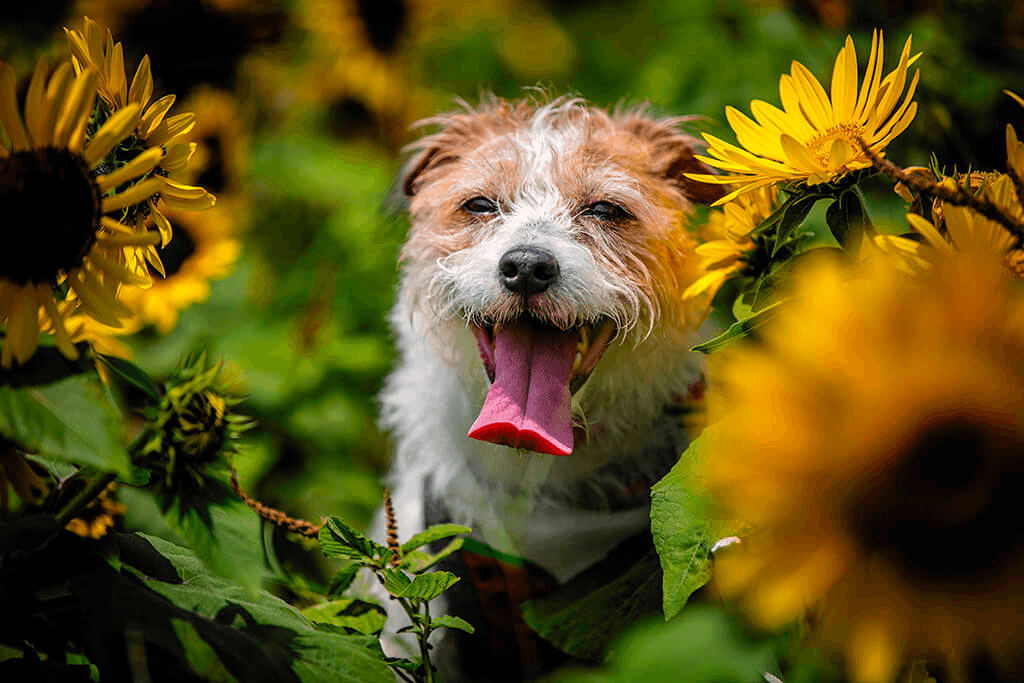
In this helpful blog Dr Legend Thurman, DVM, explains about probiotics for puppies – when to give them, and how they might help.

- Home/
- Dog/
- Health & Wellness/
- Can Puppies Take Probiotics? Advice for Pet Parents
Can Puppies Take Probiotics? Advice for Pet Parents
Published by
Apr 28, 2026
Updated Aug 26, 2026
9 min read·Updated: Aug 26, 2026

Vet-reviewed by Dr Legend Thurman, DVM, MSL, CVBP, MRCVS, PetLabCo.® Consultant
Yes – puppies can take dog probiotics when used appropriately and under veterinary guidance. Dog probiotic chews may help support your puppy’s developing digestive function system and normal immune function, particularly during periods of change such as moving home or transitioning diets. However, probiotics are not necessary for every puppy.
A balanced, consistent diet plays a central role in supporting your puppy’s digestive function health, with supplements used as additional support when appropriate.
PetLabCo.® probiotics, including Probiotic Chew and Allergy & Immune Chews, may be used where appropriate for puppies aged 12 weeks and older.

Dr Legend’s Advice on Probiotics for Puppies
Puppies may benefit from probiotic supplementation in specific circumstances, but this should be directed and overseen by a veterinarian. If you do give your puppy probiotics, it’s important to carefully observe their response and track any digestive changes over time.
– Dr. Legend Thurman, DVM, MSL, CVBP, MRCVS, PetLabCo.® Consultant
Key Takeaways – Probiotics for Puppies
- PetLabCo.® dog probiotics are generally suitable for puppies aged 12 weeks and older
- Puppies can take probiotics when recommended by a veterinarian
- Not all puppies require supplementation
- Probiotics may help support digestive function and gut balance where appropriate
- Response can vary—some puppies may not show noticeable changes
- Monitoring your puppy’s response over time is important
- PetLabCo.® probiotics are generally suitable for puppies aged 12 weeks and older
Can Puppies Have Probiotics? What The Experts Say
Puppies can take dog-specific probiotic supplements when guided by a veterinarian. These may be considered to help support digestive function or maintain gut balance in certain situations.
While dog probiotic chews, powders and soft chews may be helpful in some cases, they are not a replacement for veterinary care. Persistent or worsening signs such as ongoing diarrhea, vomiting, or reduced appetite, should be evaluated by a veterinarian to determine the underlying cause.
From What Age Can Puppies Take Probiotics for Dogs?

Puppies can typically begin taking dog probiotics once they are weaned, which generally occurs between 6 and 12 weeks of age.
However, suitability depends on the individual puppy and the specific product. Many products, including PetLabCo.® dog probiotic chews, are formulated for puppies aged 12 weeks and older. Age recommendations often reflect formulation and suitability data rather than a strict physiological threshold, so product-specific guidance should always be followed—particularly for younger puppies.
When Do Puppies Need Probiotics?
Probiotics may provide supportive digestive function or immune function health benefits in select situations, when guided by a veterinarian.
Common scenarios where probiotics may be considered include:
- Periods of transition – such as diet changes, weaning, training, or moving to a new home.
- Occasional digestive function sensitivities – including temporary loose stools during dietary or environmental changes.
- History of gastrointestinal health sensitivity – or recurring mild digestive function changes.
Immune function and Gut Health Considerations
The connection between gut health and immune function is an area of ongoing research. Probiotics may help support a normal immune response and overall gut balance; however, responses can vary and effects may not be consistent or noticeable in every puppy.
For puppies showing seasonal or occasional sensitivities, probiotics may provide supportive benefits as part of a broader care approach.
Important Considerations for Puppies
- Not all puppies require probiotic supplementation
- Probiotics are supportive
- Responses can vary between individuals puppies
- Some puppies may not show noticeable signs
- Diet quality and consistency play a foundational role in digestive function health
- Use in puppies should be guided by a veterinarian
Expert Advice on Giving Puppies Probiotics
PetLabCo.® Consultant Dr Legend Thurman, DVM, MSL, CVBP, MRCVS, has this advice for pet parents about giving their puppies probiotics:
- Look for signs your puppy might benefit from probiotics: Probiotics may help support puppies with occasional digestive function sensitivitiesy or during periods of change.
- Consult your veterinarian: Seek guidance before starting supplementation.
- Follow age guidance: Many products are suitable for puppies aged 12 weeks and over.
- Choose dog-specific formulations: These are designed to support survival through the digestive system and provide potential digestive function benefits.
- Give according to product guidance: Give your puppy their probiotic according to product guidance, based on age and size.
- Monitor response over time: Changes may take time and vary between individuals puppies.
- Keep a simple diary: Tracking stool consistency and behaviour can be helpful.
What Are The Best Probiotics for Puppies?
There is no single “best” probiotic for all puppies.
When choosing a probiotic, consider:
- Whether it is formulated specifically for dogs
- The strains used (potential benefits are strain-specific)
- Product quality and formulation
- Suitability for your puppy’s age and size
Not all probiotic products are equivalent, and benefits may vary depending on formulation and individual response from puppies.
Types of Probiotics for Puppies
| Concern | Example Supplement Type | Potential Support |
| Digestive function sensitivities | Daily probiotic soft chew | May help support gut balance |
| Seasonal sensitivities | Immune function support probiotic soft chew | May help support normal immune function |
| Oral hygiene | Dental powder supplement | May help support oral cleanliness |
PetLabCo.® Probiotics For Puppies

PetLabCo.® probiotics are formulated for dogs of different sizes and life stages, including puppies aged 12 weeks and older.
Products such as Probiotic Chew and Allergy & Immune Chews may be incorporated into a broader wellness plan when appropriate. These formulations combine probiotics, prebiotics, and other supportive ingredients that may help support digestive function or immune function-related needs.
However, they should be used alongside foundational care such as:
- Balanced nutrition
- Routine veterinary check-ups
- Monitoring your puppy’s development
PetLabCo.® Products Suitable For Puppies (12 Weeks+)
| PetLabCo.® Product | Active Ingredients | Key Potential Benefits for Puppies and Young Dogs |
| DF-14™: Daily Foundation multifunctional health powder for dogs | A Proprietary Blend of Probiotics, Postbiotic Blend, Krill, Glucosamine HCI, Taurine, Sodium Hexametaphosphate, Chondroitin Sulfate, Astragalus Extract, L-Carnitine | Delivers multi-system support in one daily scoop, supporting gut health, joints, cognition, heart health, skin condition, immune function, and more. |
| Probiotic Chew | A Proprietary Blend of Probiotics (Bacillus coagulans, B. clausii, B. subtilis) Prebiotics (Fructooligosaccharides, Galactooligosaccharides) Postbiotic Blend of Yeast (Saccharomyces cerevisiae, Cyberlindnera jadinii) | May help support normal digestive function and stool consistency. Designed to help maintain gut balance and overall wellbeing |
| Allergy & Immune Chew | A Proprietary Blend of Probiotics (Bacillus coagulans, B. clausii, B. subtilis) Colostrum (Bovine) Prebiotics (Fructooligosaccharides, Galactooligosaccharides) Postbiotic Blend of Yeast (Saccharomyces cerevisiae, Cyberlindnera jadinii) Total Omega Fatty Acids (3,6 & 9) (Krill & Borage Oil) | May help support normal immune response and seasonal sensitivities. Provides additional nutritional support for developing puppies. |
| ProBright® Advanced Formula dental powder supplement | Patent-Pending Probiotic Blend (Pediococcus pentosaceus, Lactiplantibacillus plantarum), Brown Algae (Ascophyllumnodosum), Sodium Hexametaphosphate, Rosemary Leaf Extract, Green Tea (Decaffeinated) | May help support oral hygiene and fresh breath. Can be used as part of a broader dental care routine (not a replacement for brushing). |
Explore the full range of PetLabCo.® probiotics for puppies, adult and senior dogs.
Should I Start My Puppy on Probiotics?
Whether to start probiotics depends on your puppy’s individual needs.
Some puppies may benefit from short-term support during periods of change, while others may not require supplementation at all. A veterinarian can help determine the most appropriate approach.
FAQ – Can Puppies Take Probiotics?

Can Puppies Take Probiotics for Occasional Loose Stools?
Probiotics may help support digestive function balance in puppies with mild, occasional loose stools.
How Long Does It Take for Probiotics To Work?
Some puppies may show changes within a few weeks, while others may take longer – or may not show noticeable changes.
Are Probiotics Safe for Puppies?
Probiotics are generally well tolerated in healthy puppies when used as directed. Veterinary guidance is recommended.
Do All Puppies Need Probiotics?
No. Probiotics are not essential for every puppy and should be used based on individual need.
Can Puppies Take Probiotics Every Day?
Yes – puppies aged 12 weeks and older can generally take daily probiotics under veterinary guidance.
Final Thoughts: Probiotics for Puppies
Probiotics can be a helpful addition to a puppy’s routine in certain situations, particularly during periods of digestive function change or mild stress. However, they are not essential for every puppy and should not replace veterinary care when health concerns are present.
The most important factors in supporting your puppy’s development are a balanced diet, consistent routine, and regular veterinary care. Supplements like probiotics may play a supportive role when used appropriately and based on individual needs of puppies.
Disclaimer: PetLabCo.® products are not intended to diagnose, treat, cure, or prevent any disease. Results may vary. Always consult your veterinarian before introducing a new supplement. Ingredient lists and quantities accurate at time of writing.
Related Products


Recommended Reading


 C
CWritten by
Charly Chow
Charly Chow is a pet-industry writer with a passion for canine mental health and wellbeing. When she’s not collaborating with PetLab Co's expert vets on helpful articles for pup pawrents, Charly can be found reading, exploring antiques shops, or cuddling up with Timo and Oreo, her Maltese and Maltipoo fur babies.Stay up to date
Get notified when I publish something new, and unsubscribe at any time.