Puppy dental care can begin from as early as 8 weeks. In this vet-reviewed guide, Dr. Legend Thurman DVM, MSL, CVBP, MRCVS shares practical advice to help support your puppy’s developing teeth and build a healthy dental routine from the very beginning.

- Home/
- Dog/
- Health & Wellness/
- When Should I Start Dental Care For My Puppy?
When Should I Start Dental Care For My Puppy?
Published by
Mar 26, 2026
Updated Apr 16, 2026
16 min read·Updated: Apr 16, 2026

Reviewed by
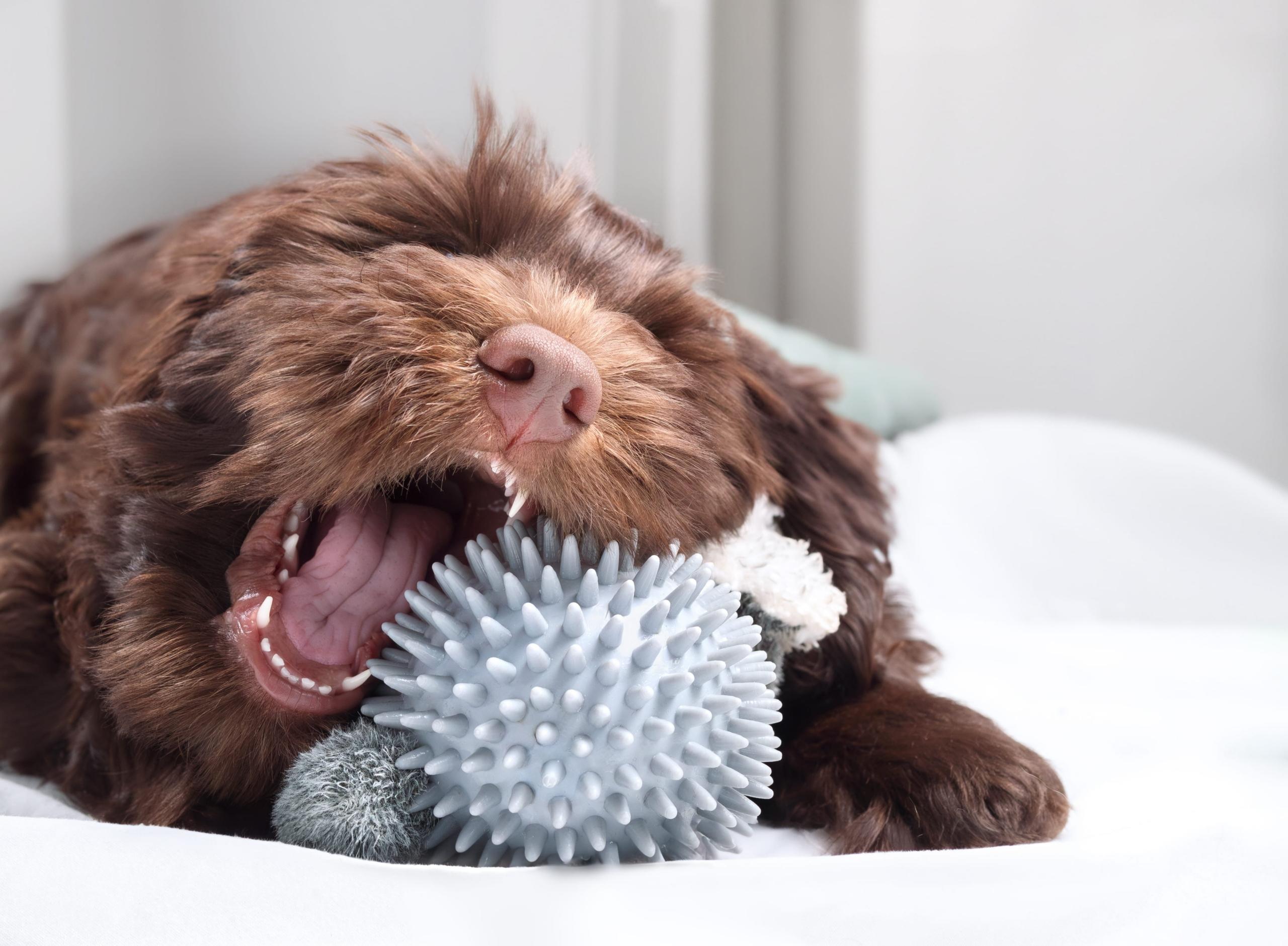
You can start puppy dental care as early as 8 weeks old by gently brushing your puppy’s teeth using a dog-friendly toothbrush and canine toothpaste. Starting early helps your puppy become comfortable with tooth brushing and supports healthy teeth and gums as they grow. From around 12 weeks of age, many pet parents also introduce dental chews, which can help support oral hygiene while satisfying your puppy’s natural urge to chew during teething. Some owners also choose to add a daily dental supplement, such as PetLabCo. ProBright® Advanced, as part of a broader oral care routine.

Keeping your puppy healthy involves building simple daily habits, and dental care is an important part of that routine. Most veterinarians recommend introducing tooth brushing first, then gradually adding dental chews and supplements as your puppy grows.
Veterinary insight:

Getting your puppy used to tooth brushing early can make a big difference. It helps maintain their teeth and makes dental care part of their normal routine as they grow.” – Dr. Legend Thurman, DVM MSL CVBP MRCVS, PetLabCo. Consultant
Key Takeaways: Puppy Dental Care
- Puppy dental care can start at around 8 weeks of age, when you can begin gently brushing your puppy’s teeth with dog-suitable toothpaste.
- Daily tooth brushing is the most effective way to support puppy dental care at home.
- Tooth brushing works by physically removing debris from the surface of your puppy’s teeth before it can harden into tartar. Because of this mechanical action, it is considered significantly more effective than dental chews or supplements, which should be viewed as supportive additions rather than replacements.
- Dental chews can usually be introduced from around 12 weeks to help support oral hygiene and satisfy natural chewing during teething.
- Regular veterinary dental checkups help monitor tooth development and identify potential issues early.
- Dental supplements such as PetLabCo. ProBright® Advanced may help support breath freshness and tartar management when used as part of a daily routine.
- If you notice bad breath, oral discomfort, or difficulty chewing, consult your veterinarian for guidance.
What Is Puppy Dental Care?

Puppy dental care refers to daily habits such as tooth brushing, appropriate dental chews, and veterinary dental checkups that help support healthy teeth and gums as puppies grow.
Many veterinarians recommend building a simple daily oral care routine that includes:
- daily tooth brushing (with a dog-friendly toothbrush and canine toothpaste)
- regular veterinary dental checkups (your vet will recommend the right cadence)
- the optional addition of dental chews to help satiate chewing
- dental supplements to support breath freshness and help maintain cleaner teeth
- keeping an eye on your puppy’s teeth during teething so you can spot any early signs of discomfort
Starting these habits early can help your puppy become comfortable with oral care, which will hopefully make sticking to a long-term dental routine easier as your pup grows! Even small, consistent steps can make a big difference over time.
Why Is Puppy Dental Care Important?
Dental hygiene issues are among the most common health concerns seen in adult dogs, which is why many veterinarians recommend starting good oral hygiene habits while dogs are still puppies.
Establishing a good daily dental care routine will help you to support your puppy’s healthy teeth and gums during one of the most important stages of their development. You’ll be getting them used to having their teeth handled, which will make dental exams easier, and keeping a close eye on their oral health and hygiene.
Plus, let’s be honest – if your puppy’s kisses are starting to smell a little less sweet than usual, or they’re busy trying to chew your favorite slippers, it’s in both of your best interests to start building a good oral care routine!
Supporting good dental hygiene early may help promote:
- fresher breath (for those puppy kisses)
- cleaner teeth
- healthy gums
- positive dental care habits that can last a lifetime
Understanding Puppy Teething

Puppy dental care becomes especially important during the teething phase, when your puppy’s teeth are changing quickly.
As adult teeth begin to emerge, puppies often experience mild gum discomfort and a strong urge to chew. This is completely normal and is one of the reasons young dogs seem determined to chew anything they can find – from toys and furniture to slippers or socks. (Especially socks belonging to their favorite human!)
During the teething stage, you may notice:
- increased chewing
- mild gum sensitivity
- drooling
While teething is a normal part of development, it’s still a good idea to occasionally check your puppy’s mouth so you become familiar with what their teeth and gums look like as they grow.
How Many Teeth Do Puppies Have?
Puppies go through two stages of tooth development as they grow.
Most puppies first develop 28 baby teeth, also called deciduous teeth. These begin emerging at around 3–6 weeks of age, and by approximately 8 weeks old most puppies have a full set.
As your puppy grows, these baby teeth gradually fall out and are replaced by 42 permanent adult teeth, usually between 3 and 6 months of age.
Adult dogs have the following dental structure:
- 12 incisors (small front teeth used for nibbling)
- 4 canine teeth (long pointed teeth used for gripping)
- 16 premolars
- 10 molars used for chewing
During this transition, it’s normal for puppies to lose teeth. Pet parents sometimes find tiny teeth on the floor or notice a small amount of blood on chew toys.
Occasionally, a baby tooth may remain in place while an adult tooth grows next to it. This is known as a retained deciduous tooth, and your veterinarian may recommend evaluating it to ensure the adult teeth develop properly.
What Do Healthy Puppy Teeth and Gums Look Like?
Knowing what normal puppy teeth and gums look like can help you identify potential dental problems early.
Healthy puppy mouths typically have:
- clean white teeth
- pink gums without swelling
- minimal odor
- no visible tartar buildup
It’s normal for puppies to have very sharp baby teeth, which may feel needle-like when they play.
From What Age Should I Start Puppy Dental Care?
Most veterinarians recommend starting puppy dental care at around 8 weeks of age.
At this stage, puppies can begin getting used to gentle tooth brushing using a dog-friendly toothbrush and toothpaste.
Starting early helps your puppy learn that tooth brushing is a normal part of their daily routine.
A typical timeline may look like this:
8 weeks
- introduce gentle tooth brushing
- allow your puppy to taste dog-suitableafe toothpaste
12 weeks
- introduce puppy dental chews to help with chewing and breath freshness
- consider adding a dental supplement to support fresher breath and cleaner teeth
- continue daily brushing
3–6 months
- adult teeth begin replacing puppy teeth
- chewing behaviour increases due to teething
- continue chews and dental supplement
Starting dental care early helps your puppy build lifelong habits that support oral health.

How to Brush Your Puppy’s Teeth (Step-by-Step)

Brushing your puppy’s teeth might feel a little awkward at first, but most puppies adapt surprisingly quickly with a bit of patience and positive reinforcement.
A simple routine may look like this:
Step 1 – Introduce the toothpaste: Let your puppy taste dog-specificsafe toothpaste from your finger so they become familiar with the flavor.
Step 2 – Gently touch the teeth: Lift your puppy’s lips and gently touch their teeth with your finger or a soft brush.
Step 3 – Begin brushing: Use a dog-friendly toothbrush or finger brush and brush in small circular motions along the gumline.
Step 4 – Keep sessions short: Start with just a few seconds and gradually increase brushing time as your puppy becomes comfortable.
Step 5 – Reward your puppy: Praise or reward your puppy afterward so dental care becomes a positive experience.
Daily brushing is ideal, but even brushing several times per week may help support oral health.
How Often Should I Take My Puppy To The Vet For Dental Check-ups?
Veterinary checkups play an important role in puppy dental care.
Most puppies attend regular wellness visits during their first year, which allows veterinarians to monitor:
- tooth development
- bite alignment
- retained baby teeth
- early tartar buildup
Professional dental cleaning may be recommended later in life depending on your dog’s oral health, breed, and risk factors.
Remember, if you notice any signs of discomfort when eating, changes to gum color or texture, or your puppy is experiencing persistent bad breath, it’s important to consult your veterinarian for guidance.
Should I Use Puppy Dental Chews?
Many pet parents introduce dental chews as part of their puppy’s oral care routine once their puppy reaches around 12 weeks of age.
Dental chews are designed to encourage chewing, which may help support tartar management. Chewing also provides mental stimulation and may help relieve mild teething discomfort.
Veterinary insight:
While dental chews can be a helpful addition, it’s important to choose products appropriate for your puppy’s size and chewing style. Always supervise your puppy when they are chewing, and ensure treats are included as part of their overall daily calorie intake.” – Dr. Legend Thurman, DVM MSL CVBP MRCVS, PetLabCo. Consultant
When choosing dental chews for puppies, look for options that are:
- appropriately sized for your puppy’s breed and age
- formulated specifically for dogs
- used under supervision
Dental chews can be a helpful addition to your puppy’s routine, but they should complement daily brushing rather than replace it.
PetLabCo. Prebiotic Dental Sticks for Dogs
PetLabCo. Prebiotic Dental Sticks are formulated with ingredients such as chicory root and peppermint oil to help support tartar management and freshen breath when used as part of a broader dental care routine. Their chewy texture encourages natural chewing action, which may help support dental hygiene as part of a consistent daily routine.
What About Puppy Dental Supplements?
Some pet parents choose to include dental supplements for dogs as part of their puppy’s oral care routine from 12 weeks, alongside:
- tooth brushing
- appropriate dental chews
- veterinary dental examinations
Before adding any supplement to your puppy’s routine, it is always best to consult your veterinarian. Evidence supporting over-the-counter dental products can vary, and not all products have the same level of scientific support. Your veterinarian can help guide you toward appropriate options for your dog.
Dental Supplement for Puppies from 12 Weeks and Older – PetLabCo. ProBright® Advanced

PetLabCo. ProBright® Advanced is a powdered dental health supplement designed to help support oral hygiene when used consistently as part of a daily routine.
The formula contains ingredients commonly used in canine dental products, including:
- brown algae, an ingredient commonly used in dental products to help support tartar management
- sodium hexametaphosphate, an ingredient commonly used to help support tartar management
- rosemary leaf extract and green tea extract, often used to help support breath freshness
- a probiotic blend designed to support oral microbial balance
The powder can be easily sprinkled into your dog’s bowl daily at meal times, making it a convenient option for pet parents who may find tooth brushing challenging.
8 Helpful Puppy Dental Care Tips for Pet Parents
Starting good puppy dental habits early can help make oral care easier for both you and your pup. The good news is it doesn’t have to be complicated.
Here are some vet-recommended puppy dental care tips.
1. Start Tooth Brushing Early
Begin brushing your puppy’s teeth from around 8 weeks of age so they become comfortable with the process.
2. Use Dog-Suitable Toothpaste
Always use a dog-friendly toothbrush and canine toothpaste designed for dogs. Human toothpaste can contain ingredients that are not suitable for pets.
3. Make Dental Care Positive
Keep brushing sessions short and reward your puppy afterward to create positive associations.
4. Introduce Puppy Dental Chews Where Appropriate
Dental chews designed for puppies may help support oral hygiene while satisfying chewing instincts during teething. Ensure chews are appropriate for your puppy’s size, breed, age and unique needs – speak to your veterinarian before introducing these.
5. Monitor Teething
Puppies typically lose their baby teeth between 3 and 6 months. Check their mouths occasionally to ensure adult teeth are coming through normally. Some breeds, particularly small and toy breeds as well as brachycephalic (flat-faced) dogs, may be more prone to dental issues and may benefit from closer monitoring.
6. Provide Dog-friendly Chew Toys
Appropriate chew toys may help target tartar buildup and relieve teething discomfort.
7. Maintain Regular Vet Visits
Routine veterinary checkups allow professionals to monitor your puppy’s dental development. If you notice signs such as oral discomfort, difficulty chewing, changes to your puppy’s gums, or persistent bad breath, your veterinarian should evaluate your puppy.
8. Stay Consistent
Consistency is key. A daily dental care routine can help support healthier teeth and fresher breath over time.
FAQ: Puppy Dental Care
When Should I Start Brushing My Puppy’s Teeth?
You can start brushing your puppy’s teeth at around 8 weeks of age using dog-specific toothpaste and a puppy toothbrush. Tooth brushing can take time to get used to, and it’s completely normal for puppies (and owners) to need a gradual approach. Building the habit slowly can make it much easier to maintain long term.
How Often Should I Brush My Puppy’s Teeth?
Daily brushing is generally recommended to support oral health and targetreduce tartar buildup.
Are Dental Chews Suitable for Puppies?
Dental chews designed specifically for puppies are generally suitable for all breeds from 12 weeks of age, when used appropriately and under supervision. Always choose products suitable for your puppy’s size and age.
Do Puppies Need Dental Care?
Yes. Establishing good dental habits early helps support healthy teeth and gums as your puppy grows.
What Happens If I Don’t Establish a Dental Care Routine For My Puppy?
Without regular dental care, tartar may accumulate on your dog’s teeth over time. This could lead to oral discomfort, bad breath, and additional dental concerns over time.
Can I Use Human Toothpaste on My Puppy?
No. Human toothpaste should never be used on dogs. Many human toothpastes contain ingredients such as fluoride or xylitol, which may not be suitable if swallowed by dogs. Instead, always use toothpaste specifically formulated for dogs, which is designed for ingestion and often comes in flavours that puppies enjoy.
When Do Puppies Lose Their Baby Teeth?
Puppies usually begin losing their baby teeth between 3 and 4 months of age, with most adult teeth fully erupted by 6 months. During this stage, puppies often chew more as their gums adjust to new teeth.
Can I Give Dental Chews to a Teething Puppy?
Many pet parents choose to start giving their puppy dental chews from around 12 weeks of age. Always choose chews designed for puppies and supervise chewing sessions
Are Dental Supplements Worth It For Puppies?
These products can be helpful additions to a dental care routine, but results can vary between dogs and should be considered alongside consistent brushing and veterinary care.
Final Thoughts: Puppy Dental Care
Puppy dental care is an important part of your dog’s overall wellness routine. Starting early with gentle tooth brushing, appropriate puppy dental chews, and regular veterinary checkups can help support healthy teeth and gums as your puppy grows. Some pet parents also choose to include additional oral hygiene support as part of their dog’s routine. For example, PetLabCo. ProBright® Advanced – a powdered dental health supplement designed to help support tartar control and breath freshness as part of a complete dental care routine.
By building positive dental care habits from a young age, you can help your puppy develop lifelong oral hygiene routines that support fresh breath, healthy teeth, and overall wellbeing.
If you ever have concerns about your puppy’s teeth or oral health, your veterinarian is the best source of advice.
Sources
American Veterinary Medical Association (AVMA)
Dog Dental Care Guidelines
https://www.avma.org/resources-tools/pet-owners/petcare/dog-dental-care
American Kennel Club (AKC)
Puppy Teething and Dental Development
https://www.akc.org/expert-advice/health/puppy-teething/
VCA Animal Hospitals
Dental Care for Dogs
https://vcahospitals.com/know-your-pet/dental-care-for-dogsVCA Animal Hospitals
Puppy Teething and Dental Development
https://vcahospitals.com/know-your-pet/teething-in-puppies
Disclaimer: PetLabCo. products are not intended to diagnose, treat, cure, or prevent any disease. Results may vary. Always consult your veterinarian before introducing a new supplement. Ingredient lists and quantities accurate at time of writing.
Related Products


Recommended Reading


 C
CWritten by
Charly Chow
Charly Chow is a pet-industry writer with a passion for canine mental health and wellbeing. When she’s not collaborating with PetLab Co's expert vets on helpful articles for pup pawrents, Charly can be found reading, exploring antiques shops, or cuddling up with Timo and Oreo, her Maltese and Maltipoo fur babies.Stay up to date
Get notified when I publish something new, and unsubscribe at any time.