Learn how to groom your dog at home with 10 easy tips from PetLabCo.® Consultant vet Dr Legend Thurman DVM, MSL, CVBP, MRCVS – from brushing and bathing to teeth!

- Home/
- Dog/
- Health & Wellness/
- 10 Vet-Reviewed Dog Grooming Tips To Try At Home
10 Vet-Reviewed Dog Grooming Tips To Try At Home
Published by
Jun 12, 2026
Updated Jun 12, 2026
15 min read·Updated: Jun 12, 2026
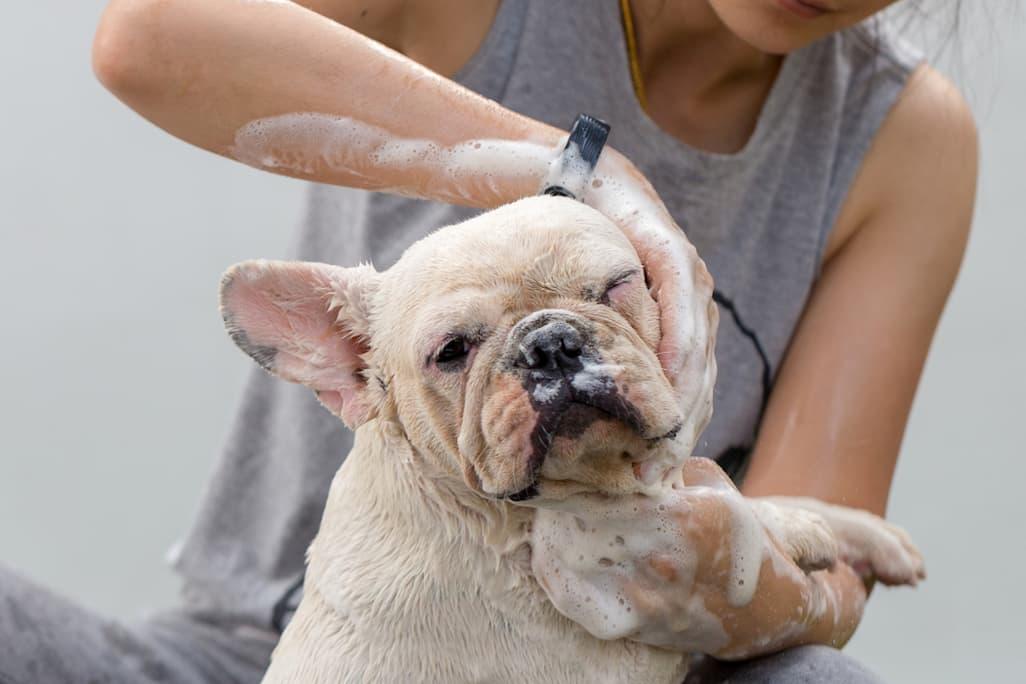
Quick Answer: Grooming your dog at home involves 4 main steps:
- Brushing your dog to remove mats, tangles, and loose fur.
- Bathing your dog using dog-friendly shampoo to remove dirt and debris.
- Trimming your dog’s nails using dog nail clippers, avoiding the “quick”.
- Cleaning their ears gently, with a dog-suitable ear cleaner.
Daily toothbrushing with a dog-friendly toothbrush and toothpaste is also important, to maintain their dental hygiene.

How Do I Groom My Dog At Home?
To groom your dog at home you’ll need appropriate tools, such as a slicker brush or deshedding tool to remove loose hair, grooming scissors for use around the eyes and paws, and clippers for claws.
A complete dog grooming routine may include:
- Brushing and de-shedding – removing dead hair, dirt and any mats or tangles
- Bathing and drying – washing your dog with canine-friendly shampoo and drying their skin and coat
- Nail trimming – clipping your dog’s claws and scissoring their paw fur to a comfortable length
- Ear cleaning – removing dirt and wax buildup to support regular ear hygiene
- Dental care – gently and thoroughly cleaning your dog’s teeth using a canine-friendly toothbrush and canine toothpaste every day, to help target tartar accumulation
- Paw and facial cleaning – gently removing any dirt or debris from your dog’s paws and face
Most dogs benefit from brushing several times per week, nail trims every 3–6 weeks, and baths every 2–8 weeks, depending on their coat type and lifestyle. In addition, daily toothbrushing with a dog-suitable toothbrush and paste is important, to maintain your dog’s oral hygiene.
As well as regular at-home grooming sessions, most dog owners use a professional grooming service every 6-12 weeks, depending on their dog’s individual needs.

Why Is Regular Dog Grooming So Important?
Learning how to groom your dog at home can help you maintain your dog’s comfort, skin health, and coat condition between professional grooming appointments. It’s also a great way to bond with your dog and spend some quality time together.
Regular dog grooming helps reduce matting, shedding, occasional irritation, and discomfort while allowing owners to spot early signs of skin changes, ear sensitives, or occasional dry paws.
— Dr Legend Thurman DVM, MSL, CVBP, MRCVS, PetLabCo.® Consultant
Regular dog grooming may help:
- Reduce matting and trapped debris
- Support healthy skin and coat function
- Reduce loose fur and dander accumulation in the coat
- Support comfort and mobility
- Provide owners with an opportunity to identify skin changes, ear sensitivies or occasional dry paws
- Support ear, nail, paw, and dental health
As well as reducing the amount of pet dander and fur in your house (especially important for people with seasonal allergies), grooming also serves as an important opportunity to perform regular health checks on your pup, so you can spot any changes to their skin or coat condition, as well as signs of occasionally itchy or uncomfortable ears or paws, and sensitive or irritated eyes and teeth.
“Grooming is about far more than appearance alone. It plays an important role in maintaining skin, coat, ear, nail, and overall health. Regular brushing, bathing, nail trims, and ear care can help reduce discomfort, support skin barrier health, and allow pet parents to identify concerns earlier.”
— Dr Legend Thurman DVM, MSL, CVBP, MRCVS, PetLabCo.® Consultant
Which Dog Breeds Require Regular Grooming?

Certain dog breeds require a more regular grooming routine, due to their coat type, coat growth, activity level, or skin sensitivity.
Dogs with continuously growing coats, curly coats, or dense double coats often benefit from more frequent brushing and professional grooming to help reduce the likelihood of:
- Matting
- Trapped moisture
- Skin discomfort
- Tangles
- Excess shedding
Breeds that often require regular grooming include:
- Poodles
- Doodles
- Shih Tzus
- Maltese
- Terriers
- Golden Retrievers
- Cocker Spaniels
- Old English Sheepdogs
- Samoyeds
- German Shepherds
Short-haired breeds may require less trimming overall, but still benefit from regular brushing to remove loose fur and debris.
10 Vet-Reviewed Dog Grooming Tips To Try At Home
Here’s how to prepare for an at-home dog grooming session – it’s all about gathering the right tools, creating a comfortable space, and making sure you know what to expect at each step.
1. Gather The Right Grooming Supplies
Having the right dog grooming tools can make the process safer and less stressful for both you and your dog.
Here are the essentials:
- Brushes and combs
- Nail clippers or grinders
- Dog shampoo and conditioner
- Towels
- Ear cleaners
- Dog toothbrush and toothpaste
- Cotton balls
- Positive reinforcement
- Optional grooming table or non-slip mat
2. Choose An Appropriate Grooming Area
Your grooming space should be:
- Quiet and calm
- Well lit
- Free from distractions
- Equipped with a non-slip surface
3. Take Steps To Help Your Dog Stay Calm During Grooming

Many dogs dislike grooming initially, especially puppies or anxious dogs.
To help your dog stay calm during grooming:
- Introduce grooming tools gradually
- Use treats and praise
- Keep sessions short initially
- Avoid forcing the process
- Take breaks if your dog becomes stressed
- Practice handling paws, ears, and nails regularly
4. Keep Things Low-Stress: Pair Short Grooming Sessions With Positive Reinforcement & Praise
Grooming sessions should be approached gradually and positively whenever possible.
PetLabCo.® Consultant Dr Legend Thurman DVM, MSL, CVBP, MRCVS, recommends pairing grooming with praise and sticking to short, low-stress sessions initially, as this will help your dog to build up a long-term tolerance for:
- Brushing
- Nail trims
- Ear cleaning
- Bathing
- Handling around the face and paws
Consistent desensitization early in life can make grooming significantly less stressful for both pets and owners over time.
5. Choose The Right Brushing Technique For Your Dog’s Coat Type
Brushing is the foundation of dog grooming.
Regular brushing does more than improve appearance, it also supports skin and coat health while helping to avoid mats and tangles.
Why Brushing Your Dog Is Important
Regular brushing can help:
- Reduce matting
- Manage shedding
- Remove debris and seasonal allergens
- Distribute natural oils through the coat
- Support healthy skin
- Help owners notice changes in skin, coat, eye or ear health earlier
Mats can trap moisture, germs, and dirt close to the skin, potentially contributing to occasional discomfort and occasional skin sensitivities in some dogs.

Brushing Techniques for Different Coat Types
Every dog’s coat is different, and brushing methods should be tailored accordingly.
Short-Haired Dogs
Breeds like Beagles and Boxers benefit from:
- Bristle brushes
- Grooming gloves
- Weekly brushing
Long-Haired Dogs
Breeds like Golden Retrievers and Afghan Hounds often benefit from:
- Slicker brushes
- Pin brushes
- More frequent brushing sessions
Curly-Coated Dogs
Poodles and doodle breeds may require:
- Gentle daily brushing
- Detangling combs
- Professional grooming every 4–8 weeks
Double-Coated Dogs
German Shepherds, Huskies, and Samoyeds often benefit from:
- Undercoat rakes
- De-shedding tools
- Increased brushing during shedding season
6. Bathe Your Dog & Dry Their Coat and Skin Thoroughly
Bathing your dog helps remove dirt, seasonal allergens, debris, and excess oils from your dog’s coat.
However, overbathing or using harsh shampoos may disrupt the skin barrier and worsen sensitivities in some dogs.
General guidelines for how often you should bathe a dog include:
- Short-haired breeds: Every 6–8 weeks
- Long-haired or double-coated breeds: Every 4–6 weeks
- Active outdoor dogs: As needed
- Dogs with skin conditions: Follow veterinary guidance
How To Bathe Your Dog

Here’s a simple step-by-step process:
- Prepare the bathing area
- Brush your dog before bathing
- Thoroughly wet the coat
- Apply dog-specific shampoo
- Rinse thoroughly
- Apply conditioner if needed
- Rinse again
- Dry your dog with towels
- Brush the coat again once dry
Bathing Dogs With Sensitive Skin or Seasonal Allergies
Dogs with seasonal allergies or sensitive skin often benefit from gentler, more consistent grooming routines.
Moisturizing shampoos may help support skin health in some dogs.
For dogs with persistent skin or ear discomfort, an individualized grooming plan developed with your veterinarian may be beneficial.
If your dog experiences mild itching after grooming, you can try using moisturizing or oatmeal-based shampoos, and avoiding heavily-fragranced products. Ensure that shampoo is fully rinsed out, and brush your dog’s coat regularly between baths. If your dog’s skin remains uncomfortable, speak to your veterinarian.
— Dr Legend Thurman DVM, MSL, CVBP, MRCVS, PetLabCo.® Consultant
7. Trim Your Dog’s Nails Short, For Comfort and Mobility
Keeping your dog’s nails short is essential for comfort and mobility.
Overgrown nails can alter posture and potentially contribute to discomfort over time.
General guidance is to trim your dog’s nails every 3-4 weeks, or when their nails are visibly long and require shortening.
Why Nail Trimming Is Important
Long nails may:
- Cause discomfort while walking
- Affect posture and movement
- Become more prone to snagging
How To Trim Your Dog’s Nails Safely
The key to nail trimming is avoiding the blood vessel inside the nail.
Tips for safer nail trimming include:
- Use high-quality nail clippers or grinders
- Trim small amounts, gradually
- Work in a quiet, well-lit area
- Reward your dog frequently
- Introduce tools slowly to anxious dogs
For dogs nervous about nail trims, short, positive sessions are often more successful than trying to complete all nails at once.
8. Clean Your Dog’s Ears Using a Gentle, Dog-Suitable Ear Cleaner
Signs Your Dog’s Ears May Need Cleaning
Watch for:
- Strong odor
- Excess wax or discharge
- Frequent head shaking
- Scratching at the ears
- Sensitivity to touch
How To Clean Your Dog’s Ears
- Gather supplies
- Keep your dog calm and comfortable
- Inspect the ears first
- Apply veterinarian-recommended ear cleaner
- Gently massage the base of the ear
- Allow your dog to shake
- Wipe away excess debris gently
PetLabCo.’s Clear Ears Therapy dog ear cleaner is a moisturizing solution that contains Salicylic Acid and Ketoconazole, to support, cleanse and soothe sensitive skin. It is designed to clean your dog’s ears, support their ear health, and help you care for hard-to-reach areas.
Ear cleaning should generally be done gently and only as needed. Excessive cleaning or harsh solutions may worsen irritation in some dogs.
9. Care For Your Dog’s Eyes, Facial Folds, and Paws
Ears, eyes, paws, and nails are often overlooked during at-home grooming.
For dogs prone to tear staining or facial folds:
- Gently wipe the area with a soft damp cloth
- Keep skin folds clean and dry
- Check paw pads for debris or sensitivities
- Monitor for odor
10. Clean Your Dog’s Teeth & Practice Regular Dental Care

Dental care is an important part of your dog’s overall grooming and health routine.
Regular teeth cleaning may help target tartar buildup and bad breath.
Dog Dental Care Tools
Useful tools include:
- Dog toothbrushes
- Dog-specific toothpaste
- Dental wipes
- Dental powders
- Water additives

PetLabCo.®’s ProBright® Advanced is a daily dental powder designed to support oral hygiene and fresh breath.
Tips for Brushing Your Dog’s Teeth
- Introduce toothpaste gradually
- Use small circular motions
- Focus on outer tooth surfaces
- Start with short sessions
- Reward your dog afterward
Consistency is often more important than perfection.
Frequently Asked Questions About Dog Grooming
What Is Dog Grooming?
Dog grooming is a regular care routine that involves maintaining your dog’s hygiene and health by taking care of their coat, skin, nails, ears, teeth, and paws.
How Can You Learn Dog Grooming?
You can learn dog grooming through:
- online courses
- breed-specific grooming guides
- professional grooming apprenticeships
- veterinary resources
- supervised practice at home
How Long Does Dog Grooming Take?
At-home dog grooming can take anywhere from 30 minutes to several hours depending on your dog’s size, coat type, temperament, and grooming needs.
Simple brushing and nail trims may only take 15–30 minutes, while full grooming sessions for long-haired breeds can take significantly longer.
What Are the Best Dog Brushes and Grooming Tools?
The best dog grooming tools depend on your dog’s coat type.
- Bristle brushes work well for short-haired dogs
- Slicker brushes help remove tangles from long-haired breeds
- Pin brushes help smooth longer coats
- Undercoat rakes help manage double-coated breeds
- Grooming gloves can help remove loose fur on sensitive dogs
Using the wrong grooming tools can cause discomfort or fail to properly remove loose hair and mats.
How Often Should You Groom Your Dog?
| Grooming Task | Frequency |
| Brushing | Daily–weekly |
| Bathing | Every 2–8 weeks |
| Nail trimming | Every 3–6 weeks |
| Ear cleaning | Weekly |
| Teeth brushing | Daily |
How Often Should You Brush Your Dog?
Brushing frequency depends on coat type, lifestyle, and matting risk.
General guidelines include:
- Short-haired breeds: 1–2 times weekly
- Medium or long-haired breeds: 3–4 times weekly
- Curly or dense-coated breeds: Every 2–3 days
- Double-coated breeds: Weekly year-round, increasing during shedding season
How Often Should You Bathe a Dog?
Bathing frequency should be individualized.
Some dogs only require occasional baths every couple of months, while others – especially active dogs, seasonal allergy-prone dogs, or breeds requiring coat maintenance – may benefit from bathing every 2–6 weeks.
Do You Bathe a Dog Before Grooming?
Yes, most dogs are brushed before bathing and then groomed after drying.
Brushing first helps remove:
- Loose hair
- Debris
- Mats and tangles
Bathing a heavily matted coat can tighten mats and make them more difficult to remove.
What Is Hand Stripping in Dog Grooming?
Hand stripping is a grooming technique commonly used for certain wire-haired dog breeds.
Instead of clipping the coat, dead hairs are carefully removed by hand to help maintain the coat’s texture and appearance.
This technique is often used for breeds like:
- Terriers
- Schnauzers
- Border Terriers
- Wire Fox Terriers
Can You Groom a Puppy at Home?
Yes. Introducing puppies to gentle grooming early can help build confidence and reduce stress later in life.
Start with:
- Short sessions
- Gentle brushing
- Handling paws and ears
- Positive reinforcement
- Praise
Why Is My Dog Unexpectedly Itchy After Grooming?
Some dogs may experience temporary itching after grooming due to:
- Harsh shampoos
- Skin sensitivity
- Existing seasonal allergies
- Overbathing
- Fragrance sensitivities
- Improper rinsing
Using dog-specific products and avoiding overly harsh shampoos may help reduce sensitivities.
How Often Should Dogs Be Professionally Groomed?
Professional dog grooming frequency depends on coat growth, matting risk, and how much brushing is done at home.
Many long-haired or curly-coated breeds benefit from professional grooming approximately every 4–8 weeks.
How Often Should Dogs Have Their Nails Trimmed?
General guidelines include:
- Indoor dogs: Every 3–4 weeks
- Active outdoor dogs: Every 4–6 weeks
Always monitor nail length regularly, as growth rates vary between dogs.
How Long Will My Dog Act Weird After Grooming?
Some dogs may seem to be acting weirdly for a little while after grooming due to stress, overstimulation, unfamiliar smells, or feeling physically different after coat removal.
Most dogs return to normal behavior within a few hours to a day.
If your dog appears extremely uncomfortable, unexpectedly itchy, lethargic, or distressed after grooming, contact your veterinarian.
Final Thoughts on Dog Grooming At Home

Dog grooming is about far more than keeping your dog looking clean.
Regular grooming supports skin, coat, nail, ear, and dental health while helping owners monitor for potential problems earlier.
The ideal grooming routine depends on your dog’s:
- Breed
- Coat type
- Lifestyle
- Activity level
- Skin sensitivity
- Overall health
Whether you’re brushing, bathing, trimming nails, or cleaning ears, consistency and patience are key.
With the right tools, gradual desensitization, and a calm environment, at-home dog grooming can become a positive experience for both you and your dog.
Related Products


Recommended Reading


 C
CWritten by
Charly Chow
Charly Chow is a pet-industry writer with a passion for canine mental health and wellbeing. When she’s not collaborating with PetLab Co's expert vets on helpful articles for pup pawrents, Charly can be found reading, exploring antiques shops, or cuddling up with Timo and Oreo, her Maltese and Maltipoo fur babies.Stay up to date
Get notified when I publish something new, and unsubscribe at any time.