What’s the strongest dog in the world? In this article, we find out which breeds have the biggest bite force, pulling power and muscle mass, among other canine strength factors. Is your dog one of the world’s strongest breeds? Let’s find out!

What Is The World’s Strongest Dog Breed? From Bite Force to Overall Strength
Published by
Sep 27, 2025
Updated Mar 13, 2026
13 min read·Updated: Mar 13, 2026

Reviewed by
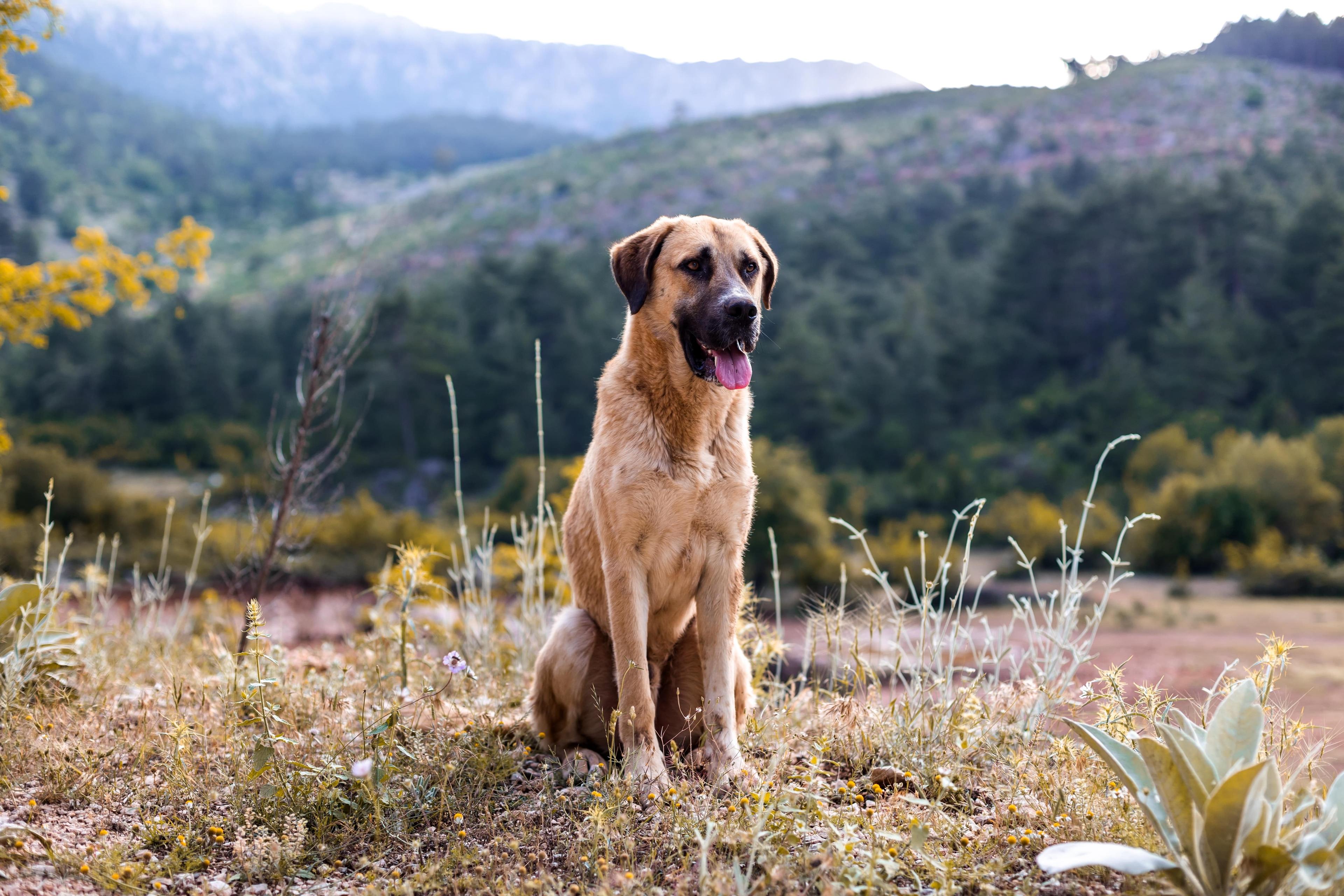
There is no single dog breed that can definitively be called the strongest. Strength in dogs is measured using several factors, including body size, muscle mass, pulling ability, endurance, and bite force estimates (measured in PSI, or pounds per square inch). For example, the Kangal is often discussed in relation to high bite force estimates, with some sources citing figures above 700 PSI, although these values vary and are not standardized scientific measurements. Other breeds, such as the English Mastiff and Saint Bernard, are often considered extremely powerful because of their large size, muscular build, and historical working roles. Since different breeds were developed for specific tasks, from livestock guarding to mountain rescue, the “strongest dog breed” ultimately depends on how strength is defined.
In this vet-reviewed guide, we explore the strongest dog breeds, explain how strength is commonly discussed, and answer frequently asked questions, such as:
- What is the strongest dog in the world?
- Which dog breeds are considered the most powerful?
This article compares physical traits and historical working roles only. It does not evaluate temperament, behavior, or suitability for individual households.

Key Takeaways: Strength in Dogs, Identifying the Strongest Dog Breeds
- Strength in dogs can refer to bite force estimates*, pulling ability, or overall physical build, with a muscular body being ideal for strength.
- The Kangal is often cited in discussions about high bite force estimates.
- Breeds such as the English Mastiff and Saint Bernard are frequently recognized for their overall size and physical power.
- A breed’s historical working purpose plays a significant role in how strength is defined.
- Strong dog breeds require consistent training and structure to thrive in a home environment.
- Breeds with broad skulls and shorter muzzles may have structural advantages that influence bite mechanics.
*Published bite force values for specific breeds are typically extrapolated from skull morphology models or limited in vivo measurements and are not standardized clinical laboratory measurements.
Is There Really A “World’s Strongest” Dog Breed?
No. Because strength can be measured in multiple ways, there is no single strongest dog breed.
For example:
- When discussing bite force estimates, the Kangal is frequently mentioned.
- When considering overall size and mass, breeds like the English Mastiff and Saint Bernard are often regarded as especially powerful.
It’s important to note that reported bite force values (measured in PSI) vary widely by source and are not standardized clinical measurements. They should be viewed as general estimates rather than definitive rankings. Strength in dogs is best understood as a combination of physical traits.
What Makes a Dog Breed “Strong”?

Strength is usually evaluated through a combination of physical structure and working function. For example, the Siberian Husky is a unique breed whose true functional strength comes from its efficient metabolism, allowing sustained power over long distances.
How Is Dog Strength Measured?
Strength discussions often include:
- Bite force estimates (PSI), though values vary by source
- Body weight and muscle mass
- Pulling or drafting ability
- Endurance and stamina
- Historical working roles, such as livestock guarding, rescue, sled pulling, or farm work
Because breeds were developed for different tasks, many can be considered “strong” in different ways.
Why Bite Force Is Difficult to Compare Between Dog Breeds
Bite force in dogs is often discussed online using PSI estimates. However, measuring bite force directly across many breeds is difficult. Most published values come from biomechanical models based on skull size and jaw structure rather than standardized laboratory testing across multiple breeds.
Because of this, bite force estimates should be viewed as general comparisons rather than definitive rankings between breeds.
20 Strong and Powerful Dog Breeds
Below is a comparative overview of 20 breeds often discussed in conversations about strength, based on publicly available breed standards and historical working roles. This table highlights how the Kangal, Cane Corso, German Shepherd, Irish Wolfhound, and other breeds each have unique strengths and roles.
Note: Rankings reflect a combination of size, physical build, bite force estimates, and working history. They are not official or scientific classifications.
| Breed | Size (M/F) | Lifespan | Noted For | Historical Role |
| Kangal | 110–145 lb | 12–13 yrs | Strong bite force | Some sources report bite force estimates above 700 PSI; however, these figures are derived from limited modeling data and are not standardized laboratory comparisons between breeds. Developed for livestock guarding against large predators. |
| English Mastiff | 160–230 lb | 6–10 yrs | Massive frame & muscle mass | Known as one of the heaviest dog breeds, historically used for guarding estates and large properties. |
| Saint Bernard | 120–180 lb | 8–10 yrs | Heavy-duty pulling power | Originally bred for Alpine rescue work, known for endurance and strength in harsh conditions. |
| Rottweiler | 80–135 lb | 9–10 yrs | Muscular & compact power | Historically used to herd cattle and pull carts; well-developed jaw musculature and compact working build. |
| Great Dane | 110–175 lb | 7–10 yrs | Height + strength combo | Combines exceptional height with a powerful frame. |
| Newfoundland | 100–150 lb | 9–10 yrs | Strong swimmer & puller | Developed for water rescue and heavy pulling tasks. |
| Tibetan Mastiff | 70–150 lb | 10–12 yrs | Strong-willed & powerful | Large guardian breed historically used to protect livestock in mountainous regions. |
| Alaskan Malamute | 75–85 lb | 10–12 yrs | Built for heavy sled pulling | Bred for hauling heavy sleds across long Arctic distances. |
| German Shepherd | 65–90 lb | 9–13 yrs | Agile and strong | Versatile working breed commonly used in service, military, and protection roles. Also used as police dogs, rescue dogs, and war dogs, making them among the most versatile working dogs. |
| Boerboel | 150–200 lb | 9–11 yrs | Powerful guardian | Farm-working breed historically used for guarding livestock and property. |
| Bernese Mountain Dog | 70–115 lb | 7–10 yrs | Draft dog strength | Originally used to pull carts and work on farms in Switzerland. |
| American Bulldog | 60–120 lb | 10–15 yrs | Compact power & stamina | Bred for farm work and guarding; muscular with surprising agility. |
| Dogo Argentino | 80–100 lb | 9–15 yrs | Hunting strength | Bred to hunt large game like wild boar; muscular and strong. |
| Caucasian Shepherd Dog | 100–220 lb | 10–12 yrs | Strong and powerful | Large livestock guardian breed developed for protective working roles. Developed for livestock guarding. |
| Cane Corso | 90–120 lb | 9–12 yrs | Athletic & muscular | Italian working breed developed for farm and protective tasks. Bred specifically in Italy as a guard dog and hunter, known for its muscular build and powerful bite. |
| Doberman Pinscher | 60–100 lb | 10–12 yrs | Strong with speed | A sleek, powerful dog with high agility and muscle definition. |
| Irish Wolfhound | 105–120 lb | 6–10 yrs | Tall with endurance | Once used to hunt wolves; large frame with surprising power. Historically used in wolf hunting. Known for its calm and gentle temperament, despite its size. |
| Leonberger | 90–170 lb | 8–9 yrs | Strong, gentle giant | Often used in water rescue; calm but physically powerful. |
| Rhodesian Ridgeback | 70–85 lb | 10–12 yrs | Endurance hunting strength | Bred to track and corner lions; muscular with high energy. |
| Siberian Husky | 45–60 lb | 12–14 yrs | Lean, efficient puller | Known for stamina and strength in sled racing; small but mighty. |
How We Ranked Strong Dogs:
The information presented here draws from breed club standards, historical records, and publicly available comparative resources on dog strength. No direct comparative biomechanical testing was conducted between breeds for this article.
- Bite force figures are generalized estimates and not laboratory-standardized measurements.
- Rankings reflect physical build and traditional working capacity.
- Temperament and individual variation are not considered in this comparison.
Individual dogs within any breed may vary significantly in size, strength, and behavior.

5 of The World’s Strongest & Powerful Dog Breeds
Kangal
Often cited in discussions of bite force estimates, the Kangal was bred for livestock protection. In addition to jaw strength estimates, they are large, athletic, and resilient working dogs. Early training and structured socialization are important for large guardian breeds.
English Mastiff
Recognized for exceptional size and mass, the English Mastiff has historically been used for guarding and estate protection. Despite their imposing appearance, many are known for calm, steady temperaments when properly trained.
Saint Bernard

The Saint Bernard is commonly considered one of the world’s strongest dog breeds. It is a very large dog with high muscle mass, originally bred to navigate deep snow, pull heavy sleds and drag injured travelers to safety. The breed is also known for its calm demeanor, making it a gentle and patient companion despite its impressive strength.
Developed for mountain rescue work, Saint Bernards combine strength with endurance. Their historical ability to traverse snow and assist stranded travelers reflects functional working power rather than aggression. In comparison, the Great Dane is known for its size and strength, often deterring threats simply by its presence.
Tibetan Mastiff
Bred to guard livestock in high-altitude regions, this breed is large, independent, and physically robust. The Tibetan Mastiff is also known for its stubborn streak, which means experienced training and positive reinforcement are essential for managing its temperament effectively.
Siberian Husky
Though smaller than many breeds on this list, the Husky demonstrates strength through stamina and sustained pulling ability over long distances.
Small but Strong Dog Breeds
Strength in dogs isn’t just about size. Many medium-sized breeds are impressively powerful and agile. The Doberman Pinscher, for instance, is a sleek, muscular breed originally bred for protection and known for its intelligence, speed, and strong protective instincts. While not as massive as the Great Dane or Tibetan Mastiff, Dobermans are physically capable working dogs that benefit from structured training and mental stimulation. The Irish Wolfhound, though tall and lean, was originally bred to hunt wolves and combines size with remarkable speed and agility. These breeds demonstrate that with the right training and environment, even dogs that are not giant breeds can still be physically strong.
Guard Dog Breeds
Guard dog breeds have been specifically developed to protect livestock, property, and families, making them some of the most reliable and powerful dogs around. Breeds like the German Shepherd, Rottweiler, and Bernese Mountain Dogs are highly valued for their loyalty, intelligence, and physical strength. The Alaskan Malamute, with its muscular build and impressive endurance, is capable of pulling heavy sleds over long distances, showcasing both strength and stamina. These guard dogs excel when given structure and training from a young age, allowing their protective nature to be channeled positively. Proper socialization is essential to ensure they interact well with other animals and people, making them not only effective protectors but also well-adjusted family members.
Family-Friendly Strong Dog Breeds
Many of the world’s strongest dog breeds are also known for being great family pets, thanks to their loyal and gentle dispositions. The Newfoundland, often called a “nanny dog,” is famous for its patience and affectionate nature with children, making it a beloved choice for families. Similarly, breeds like the Saint Bernard and Tibetan Mastiff, despite their impressive size and strength, are gentle giants when properly trained and socialized. These dogs thrive in households that can provide ample space, regular exercise, and consistent training. With the right care and attention, strong dog breeds can become devoted and loving family members, offering both protection and companionship.
Strongest Dog Breeds: FAQ
1. Is the Strongest Dog Breed the Same as the Most Powerful?
Not necessarily.
A breed may rank highly in bite force estimates, while another may exceed in size or pulling strength. “Powerful” typically refers to overall physical build and working ability.
Breeds like the English Mastiff and Saint Bernard are often discussed when people ask what the most powerful dog breed might be.
2. Are Strong Dog Breeds Dangerous?
Strength alone does not determine behavior.
A dog’s temperament is influenced by:
- Training
- Socialization
- Environment
- Responsible ownership
Many large, physically strong breeds are known to be loyal, steady, and gentle when raised with appropriate guidance and structure.
3. How Do I Know if a Strong Dog Breed Is Right for Me?
Large or physically powerful breeds often require:
- Consistent training
- Early socialization
- Adequate space and exercise
- Confident, experienced handling
Prospective owners should carefully evaluate their lifestyle and consider consulting breeders, trainers, or veterinarians before choosing a large working breed.
4. How Can I Tell if My Dog Is Strong?
Strength can show in many ways – muscle tone, endurance, agility, or pulling capacity.
Signs of physical fitness may include:
- Lean muscle definition
- Good stamina
- Healthy body condition
- Strong coordination
Your veterinarian can assess muscle tone and body condition during routine exams to ensure your dog is developing appropriately.
Final Thoughts: What’s the Strongest Dog in the World?
There is no single strongest dog by every definition.
Some breeds stand out for bite force estimates, others for mass, endurance, or historical working capability. For example, breeds like the Newfoundland are able to swim long distances, making them excellent water rescue dogs. Additionally, some of the strongest breeds have served as war dogs throughout history, highlighting their strength and loyalty. What they share is purposeful breeding for physically demanding roles.
Understanding the different ways strength is defined helps explain why multiple breeds may be considered “strong” depending on the criteria used.
Disclaimer: Breed-specific bite force values reported online are often extrapolated from modeling studies and should not be interpreted as standardized laboratory comparisons between breeds.
Sources
- American Kennel Club (AKC). Official Breed Standards. https://www.akc.org/dog-breeds/
- Fédération Cynologique Internationale (FCI). Breed Nomenclature & Standards. https://www.fci.be/en/nomenclature/
- Ellis JL et al. (2009). The Allometry of Bite Force in Domestic Dogs. Journal of Anatomy. https://www.ncbi.nlm.nih.gov/pmc/articles/PMC2673788/
- Barry Foundation (Switzerland). History of the Saint Bernard rescue dog. https://www.barryland.ch/en/the-st-bernard/history/
- Livestock Guardian Dog Association (LGDA). Breed function and working history. https://www.lgd.org/education/
Explore More With PetLab Co.
Want more breed roundups and health tips? Check out:
Related Products


Recommended Reading


 C
CWritten by
Charly Chow
Charly Chow is a pet-industry writer with a passion for canine mental health and wellbeing. When she’s not collaborating with PetLab Co's expert vets on helpful articles for pup pawrents, Charly can be found reading, exploring antiques shops, or cuddling up with Timo and Oreo, her Maltese and Maltipoo fur babies.Stay up to date
Get notified when I publish something new, and unsubscribe at any time.