How much chicken and rice should you feed a dog with diarrhea? Learn portion sizes by weight, the 2:1 ratio, and when to consult your vet.

How Much Chicken and Rice Should I Feed My Dog?
Published by
Jun 05, 2025
Updated Mar 12, 2026
16 min read·Updated: Mar 12, 2026
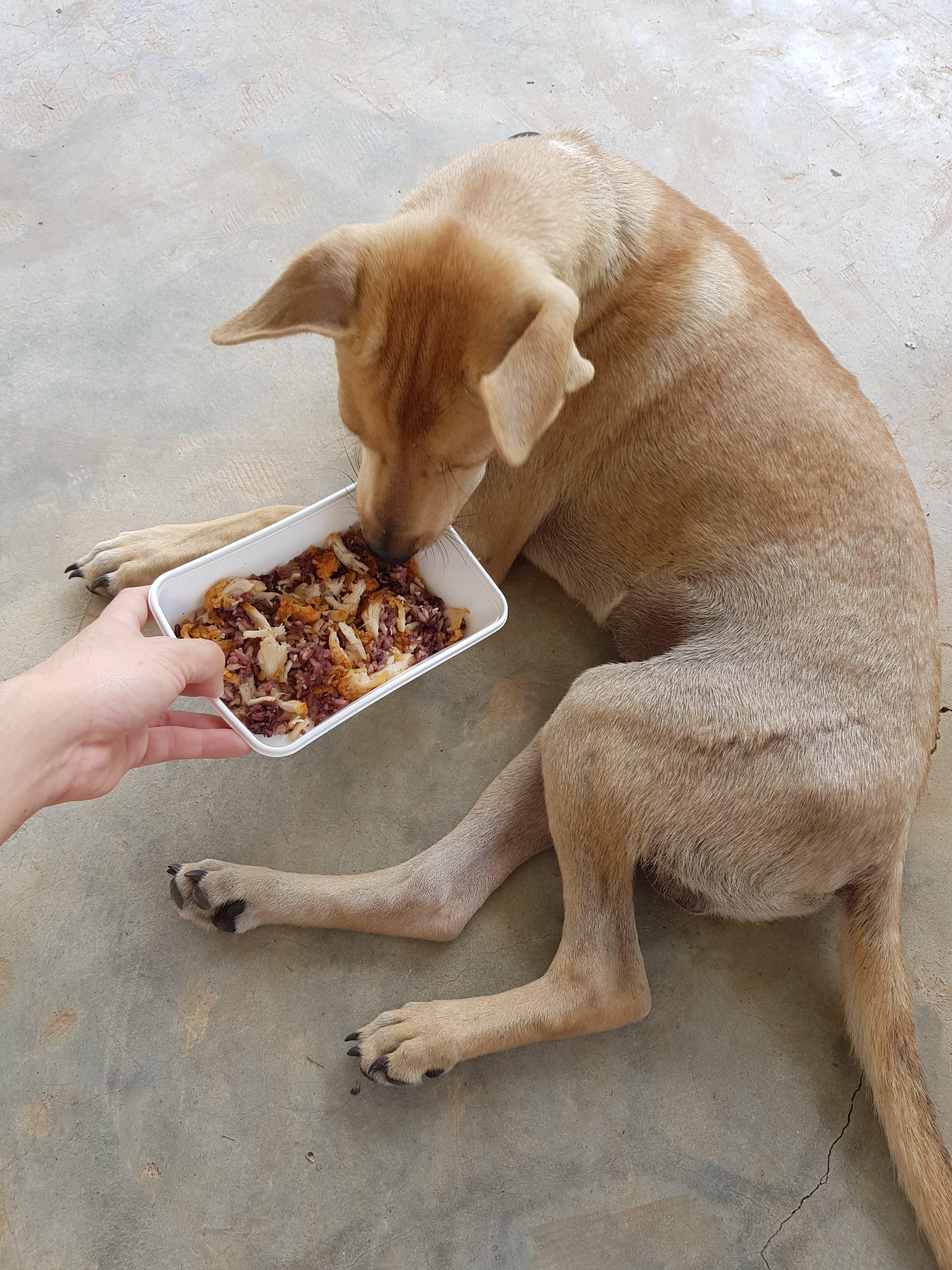
How much chicken and rice should I feed my dog? Chicken and rice is often recommended as a short-term, bland diet for dogs with diarrhea or stomach upset because it is gentle on the digestive system and easy to digest. A common guideline is a 2:1 ratio of cooked rice to cooked chicken, with portions adjusted for body weight—for example, small dogs (10–20 lbs) may eat about ¼ cup chicken and ½ cup rice per meal, while large dogs (50–100 lbs) may eat 1 cup chicken and 2 cups rice per meal. In general, dogs can eat about ⅓–½ cup of the chicken-and-rice mixture per 10 pounds of body weight per day, split into two or more meals—meaning dogs under 10 pounds may eat around ½–¾ cup daily, while medium dogs (20–50 pounds) may eat about 1½–3 cups daily. This simple meal can help support your dog while their stomach settles, but it should only be used for about 2–3 days, as chicken and rice alone does not provide complete long-term nutrition.

Preparing Chicken and Rice for Your Dog
How should I cook chicken and rice for my dog? When preparing chicken and rice for your dog, the safest method is to boil plain chicken breast, as it’s lean, easy to digest, and gentle on sensitive stomachs. Chicken should be cooked thoroughly until it reaches an internal temperature of 165°F (74°C) and should always be served plain, fully cooked, and unseasoned – avoid frying or adding oils, butter, salt, or spices. The rice should also be fully cooked and plain, and both ingredients should be allowed to cool before serving. Rice is naturally gluten-free and easy for many dogs to digest, while chicken is a protein that many dogs tolerate well, making this simple combination a helpful short-term meal when your dog needs something gentle on their stomach.
- Portion size depends on your dog’s weight and size
- Chicken should be plain, cooked, and unseasoned
- Rice should be fully cooked and easy to digest
- This diet is generally used short-term, not long-term
- Always check with your vet if signs of digestive discomfort persist
Once your dog’s symptoms improve, it’s best to gradually transition them back to their regular food rather than switching diets suddenly. Start by mixing a small amount of their usual food with the chicken and rice, then slowly increase the regular food over several meals. This gentle transition can help support digestive stability and reduce the chance of stomach upset returning.
Important advice for pet parents: This approach is intended for temporary use only and is not a complete long-term diet. Always check with your vet if signs of digestive discomfort persist. This guidance is intended for mild, short-term digestive upset and may not be suitable for all dogs.

Introduction to Chicken and Rice for Dogs
Chicken and rice is a go-to bland diet for dogs dealing with digestive issues like diarrhea or stomach upset. This simple combination is easy on your dog’s stomach and provides a gentle source of nutrition when their digestive system needs a break. Boiled chicken breast offers lean, high-quality protein, while cooked white rice supplies easily digestible carbohydrates. Together, they create a balanced mix that helps soothe your dog’s digestive tract and encourages them to eat, even when they’re not feeling their best. When preparing chicken and rice for your dog, always use plain, cooked chicken breast and white rice—skip any seasonings or additives, as these can make stomach upset worse. This diet is intended for short-term use to help your dog recover from digestive issues, not as a permanent meal plan.
Benefits of Boiled Chicken for Dogs
Boiled chicken is one of the best protein sources you can offer your dog, especially if they have food allergies or sensitive stomachs. Because it’s lean and easily digestible, boiled chicken helps provide essential amino acids without adding excess fat that could further upset your dog’s digestive system. Removing bones, skin, and any seasonings ensures the chicken is safe and gentle on your dog’s stomach. As part of a bland diet, pairing boiled chicken with cooked rice creates a meal that’s both nourishing and easy for dogs to tolerate during digestive issues. This approach helps your dog get the protein they need to stay strong while minimizing the risk of triggering further stomach upset.
Rice as a Dietary Staple
Rice is a staple ingredient in many bland diets for dogs, particularly when they’re experiencing diarrhea or have sensitive stomachs. White rice is usually preferred over brown rice because it contains less fiber, making it easier for dogs to digest and helping to firm up loose stools. Thoroughly cooked rice is gentle on the digestive tract and can help settle your dog’s stomach during periods of digestive upset. While rice is a valuable carbohydrate source in a bland diet, it shouldn’t be the only food your dog eats long-term. For healthy dogs, a balanced diet that includes a variety of proteins, vegetables, and whole grains is essential to provide all the nutrients they need to stay healthy and thrive.
How Much Chicken and Rice Should I Feed My Dog by Weight?
A bland diet of boiled chicken and rice is commonly recommended by veterinarians to help rest a dog’s digestive system and support more normal stool formation during short-term gastrointestinal upset, with food offered in small, frequent meals rather than one large serving. (Source: Hillside Animal Hospital, Bland Diet Instructions)
The amount of chicken and rice to feed a dog with diarrhea is typically based on body weight, with portions adjusted to avoid overfeeding while the digestive system settles.
The table below shows general portion guidance commonly used for short-term feeding. These amounts are usually split into two or more meals per day and are not intended as long-term feeding recommendations.
Portion ranges may vary between veterinary sources and individual dogs; the amounts below reflect general guidance and should be adjusted based on your dog’s response and your veterinarian’s advice.
| Dog Weight | Approximate Daily Portion (Chicken + Rice Combined) |
| Under 10 lbs | ½ – ¾ cup |
| 10–20 lbs | ¾ – 1½ cups |
| 20–50 lbs | 1½ – 3 cups |
| Over 50 lbs | 3 – 4 cups |
For small dogs (10–20 lbs), a typical portion is 1/4 cup chicken and 1/2 cup rice per meal. For large dogs (50–100 lbs), a typical portion is 1 cup chicken and 2 cups rice per meal.
Brown rice contains more fiber than white rice, which can be beneficial for healthy dogs on normal days, but may not be suitable during digestive upset as higher fiber can worsen symptoms.
Individual needs can vary based on age, activity level, and overall health. If your dog’s diarrhea continues or worsens, consult your veterinarian.
What Is the Best Chicken and Rice Ratio for Dogs With Diarrhea?
A commonly used ratio for feeding chicken and rice is 2 parts cooked white rice to 1 part cooked chicken.
- White rice is typically used because it is easier to digest than brown rice
- Skinless chicken breast is preferred as a lean protein source
- Both ingredients should be plain, fully cooked, and unseasoned
This simple ratio is often chosen because it provides energy while keeping fat and fiber levels low, which may be easier on the digestive system during short-term feeding.
Professional veterinary resources describe mixing a lean protein source like boiled chicken with a simple carbohydrate such as plain rice to create an easily digestible meal, often using a higher proportion of carbohydrate to help soothe the digestive tract. (Source: VCA Hospitals, Bland Diet Instructions).
Why Give Chicken and Rice to Dogs With Diarrhea?

Chicken and rice is a commonly-recommended bland diet for dogs with stomach upset, offering many benefits for a dog’s stomach and digestive health. Not all foods or preparations are created equal – chicken and rice are preferred for their gentle effects on a dog’s stomach.
There are several reasons chicken and rice is commonly recommended as a bland diet for dogs. Here are some of them:
- Most dogs love chicken and rice, and will eat it even if they don’t feel great. Often, when your pup has an upset stomach, they don’t want to eat their usual food. Chicken and rice is an option that is both appealing and gentle on the stomach.
- Chicken is a high-quality, easily digestible source of protein. It’s essential to continue providing our pups with good nutrition while they’re not feeling well.
- Rice is a bland, easily digestible source of carbohydrates. This is especially important for dogs with stomach upset because the cells inside the intestines absorb nutrition directly from the food. Having something that breaks down easily and helps these cells heal is key.
- Chicken and rice are both widely available and relatively inexpensive. This is important for busy people, and vets get that.
- Both ingredients are easy to prepare safely. There’s no need for special equipment or standing over the stove stirring constantly.
Oats are often considered as an option for bland dog diets, but chicken and rice remain a popular choice due to their many benefits for a dog’s stomach.

Dogs can get diarrhea for many reasons. Chicken and rice is a high-quality source of easily digestible protein and carbohydrates that most dogs love and will eat even if they don’t feel great.“
Dr. JAMIE CLANIN, US DVM, VET CONSULTANT TO PETLABCO.
Veterinarian Advice: If your pup is allergic to poultry, substitute tilapia for the chicken. Make sure to cook the rice thoroughly to avoid further stomach upset, checking that the center is completely soft.
Preparing Chicken and Rice for Dogs
- Use boneless, skinless chicken breast and white rice. The bones and skin add a significant amount of fat that can cause further stomach upset, and the extra fiber in brown rice can have a similar effect.
- Do not use any spices, seasonings, oils, salt, pepper, or anything fun. Most dogs love the plain chicken and rice combination, and we don’t want to cause further stomach upset by adding things that could irritate their intestines.
- Chicken can be boiled or baked. Just be sure to let the juices drain away during baking to avoid excessive fat in the food.
- Rice should be boiled or steamed in plain water. Make sure that it is soft all the way through to avoid causing more problems.
- You can prepare several meals’ worth of food and freeze it or store it in the refrigerator. Because both chicken and rice can go bad relatively quickly, do not use the mixture if it has been refrigerated for more than 72 hours. If you want to make large batches, separate it into individual meals and freeze for the longest use.
Veterinarian advice: Keep in mind that the numbers above are for young, active, intact (not spayed or neutered) dogs. If your dog has been fixed, doesn’t go for long walks at least twice a day, or is getting older, decrease these amounts by at least 10%.
When to Feed Chicken and Rice to a Sick Dog
Now that you know how to prepare it and how much to feed, how do you know when to feed chicken and rice to your sick dog? Here are some basic rules:
- Don’t freak out right away. Sometimes, your pup may have just eaten something that didn’t agree with them. They’ll have a single episode of diarrhea, and then everything will be okay again. So if they’re feeling well and the diarrhea has only occurred once, wait it out. Switching their diet, even to chicken and rice, might make things worse.
- Give their gut a break. As mentioned above, skipping one or two meals can help “reset” the intestinal tract. Once you’re sure this isn’t a one-and-done problem, don’t feed your dog for 12-24 hours. Make sure they have plenty of fresh water, though, so they don’t dehydrate.
- Start with small meals. Just a bite or two every couple of hours is all you want to start with, in case giving them food starts things all over again.
- Switch back to regular food slowly. See below for more information.
If symptoms persist or worsen, pet parents should consult a veterinarian for appropriate veterinary medicine to address any underlying health conditions.
Many dogs can and will train their owners to give them special food. Only give your dog special food like chicken and rice when they’re actually not feeling well.”
Dr. JAMIE CLANIN, US DVM, VET CONSULTANT TO PETLABCO.
Transitioning Back to Regular Dog Food
Once your pup’s poop has returned to normal and they are feeling well, you can start switching them back to their regular food. Begin by mixing a small amount of their usual food with their chicken and rice. Over the next few days, slowly increase the amount of their regular food while decreasing the amount of chicken and rice until they are back on their usual diet.
Generally, the easiest way to transition from one food to another is the following:
- Day 0: 100% old food (in this case, chicken and rice)
- Days 1-2: 75% old food, 25% new food
- Days 3-4: 50% old food, 50% new food
- Days 5-6: 25% old food, 75% new food
- Days 7+: 100% new food (in this case, the normal diet)
While making this change, keep a close eye on your pup. They should continue to feel well, have a good appetite, and have normal bowel movements. If anything goes wrong, switch back to chicken and rice. Next time you try to switch back, consider giving each stage 3-4 days instead of just two, to make the switch even more slowly.
Frequently Asked Questions About Feeding Chicken and Rice to Dogs With Diarrhea
Is Chicken and Rice Good for Dogs?
In the short term, yes, chicken and rice is good for dogs. It has high-quality, easily digestible protein and carbohydrates, which will keep your pup healthy while they heal.
However, chicken and rice is not an appropriate long-term diet. Even if you add some vegetables, this combination does not provide a proper balance of nutrients or all of the vitamins and minerals your dog needs to stay healthy over a lifetime. Malnutrition of this type can lead to a variety of issues, including bone, skin, kidney, and heart disease.
How Long Can I Feed My Dog Chicken and Rice?
Chicken and rice is generally fed for a short period, often a few days, depending on why it’s being used.
Because this combination does not provide complete nutrition, feeding it exclusively for extended periods may lead to nutritional imbalances. If your dog needs dietary support beyond the short term, your veterinarian can help recommend an appropriate next step.
Is Chicken and Rice Safe for All Dogs With Diarrhea?
Chicken and rice is commonly tolerated, but it may not be suitable for every dog.
It may not be appropriate for dogs who:
- Have a known chicken allergy or sensitivity
- Require a prescription or therapeutic diet
- Have ongoing or severe digestive symptoms
If your dog shows signs such as lethargy, vomiting, blood in the stool, or diarrhea lasting more than 24–48 hours, seek veterinary advice.
Can Puppies Eat Chicken and Rice for Diarrhea?
Puppies may be able to eat chicken and rice short term, but they have different nutritional needs than adult dogs.
Because puppies require carefully balanced nutrients for growth, chicken and rice should only be used briefly and with guidance from a veterinarian if digestive issues persist.
When Should I Call the Vet?
While offering your pup chicken and rice for their upset stomach is a good start, sometimes it’s just not enough. If your pup is having any of the problems below, it’s time for a visit with their veterinarian.
- Diarrhea for longer than 48 hours
- Vomiting for more than 12 hours
- Difficulty swallowing food or water
- Refusing to eat for longer than 48 hours
- Refusing to drink water
- Inability to keep food or water down
- Feeling poorly while having vomiting or diarrhea
- Blood in their vomit
- More than a few drops or streaks of blood in their poop
- Poop that looks black and sticky (like tar)
- Pale or sticky gums
Veterinarian advice: To encourage your pup to stay hydrated while waiting to see the veterinarian, you can mix low-sodium chicken or beef broth with water. Use equal parts of each. Often, the flavor encourages them to drink, provides a little bit of nutrition, and helps keep them hydrated without being too hard on their stomach.
Final Thoughts: Feeding Chicken and Rice to Dogs With Diarrhea
Chicken and rice is a commonly used dietary tool to help dogs with mild stomach upset. It’s easy, inexpensive, and tempting for pups who aren’t feeling well. Generally considered safe and easy on the stomach, chicken and rice is often a reasonable short-term option to consider for dogs with diarrhea. Just be sure to reach out to a veterinarian if things aren’t settling down in a couple of days!
- Chicken and rice is a commonly used short-term feeding option
- Portions should be based on your dog’s weight
- Ingredients must be plain, fully cooked, and unseasoned
- This diet is not nutritionally complete for long-term use
- Ongoing or severe symptoms should always be discussed with a veterinarian
Used thoughtfully and temporarily, chicken and rice can be part of a short-term feeding approach while your dog’s digestive system recovers, with veterinary guidance helping ensure the best outcome.
Sources: Chicken and Rice Bland Diet for Dogs with Diarrhea
Hillside Animal Hospital. Bland Diet Feeding Instructions. https://www.hillsideanimalhospital.net/bland-diet-feeding-instructions/
VCA Hospitals. Bland Diet Instructions for Dogs and Cats. https://vcahospitals.com/know-your-pet/blah-blah-and-more-blah-bland-diet-instructions-for-dogs-and-cats
Recommended Reading


 J
JWritten by
Jamie Clanin, DVM
Dr. Jamie Clanin obtained her degree from the University of Tennessee in 2008. She spent 13+ years in small animal general practice before transitioning to research, telemedicine, and teaching. Her interests include working with companies like PetLab Co. on owner education, teaching others in veterinary medicine, and developing solutions to help pets obtain care on a daily basis.Stay up to date
Get notified when I publish something new, and unsubscribe at any time.