Curious if probiotics can help your dog? Discover 10 ways probiotics may support digestion, skin comfort, and overall wellbeing with consistent use.

- Home/
- Dog/
- Health & Wellness/
- Will Probiotics Help My Dog? 10 Potential Dog Probiotic Benefits
Will Probiotics Help My Dog? 10 Potential Dog Probiotic Benefits
Published by
Mar 09, 2026
Updated Apr 01, 2026
10 min read·Updated: Apr 01, 2026
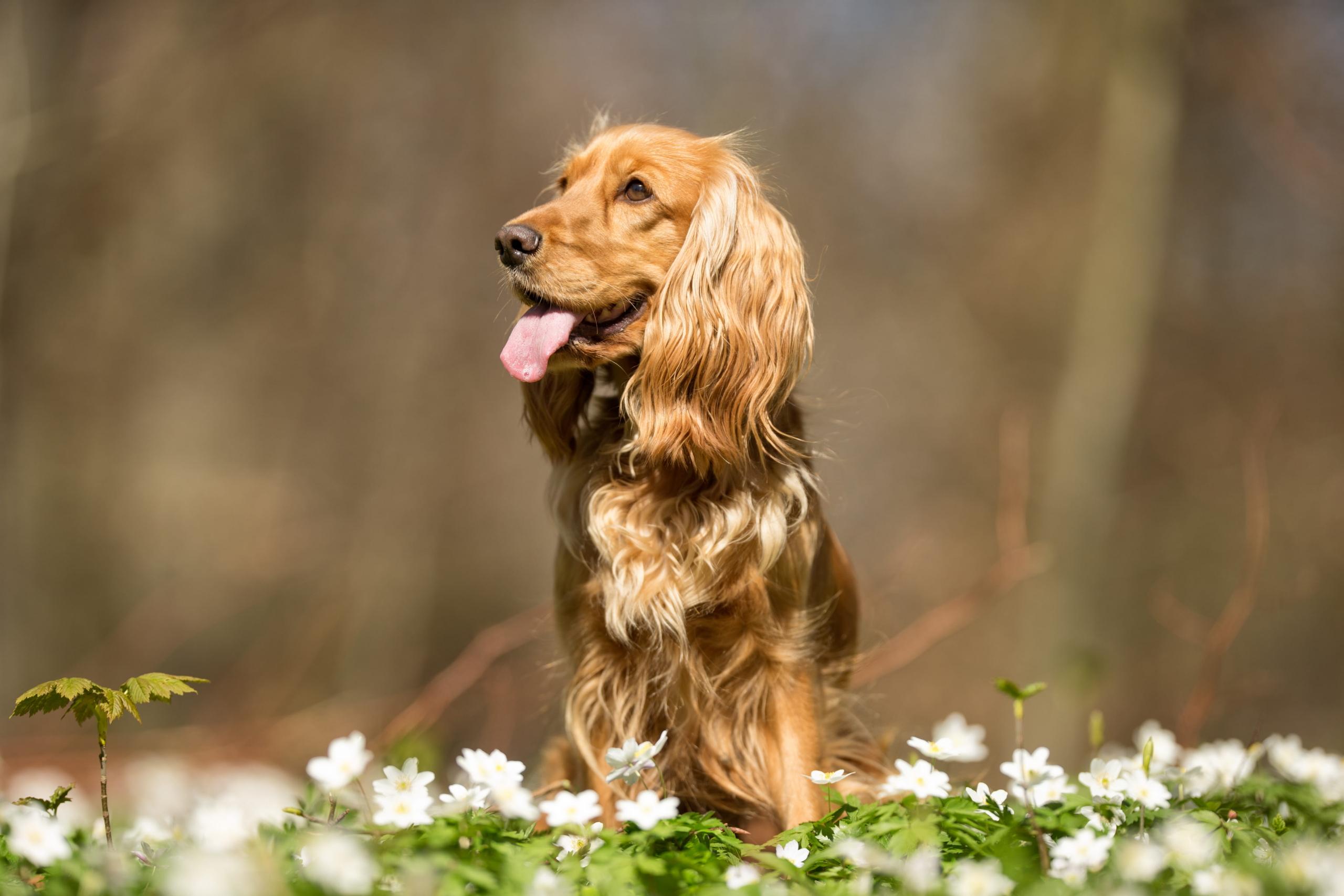
Probiotics may help dogs by supporting digestive function, stool quality, immune function, skin comfort, and overall wellness when given daily and consistently. Probiotics work gradually. Many pet parents notice changes after several weeks, with full microbiome support often taking up to 90 days of consistent use. It’s important to speak to your vet before adding probiotics to your dog’s daily routine, as every dog is unique and will benefit from a tailored health and wellness plan.

With consistent daily use, probiotics may help support:
- Normal digestive function
- Healthy stool consistency
- Immune system function
- Gut balance after antibiotic use
- Reduced occasional gas
- Regular bowel movements
- Seasonal sensitivity-related paw licking
- Skin comfort through the gut-skin connection
- Overall digestive wellbeing
- Fresher breath over time
Individual results may vary depending on your dog’s age, diet, and overall health.
How Do Probiotics Work in Dogs?
Probiotics help support a healthy balance of beneficial bacteria in your dog’s digestive tract. A balanced microbiome may help:
- Support nutrient absorption
- Promote healthy stool formation
- Maintain digestive comfort
- Support normal immune responses
Because gut health influences multiple body systems, maintaining microbial balance may contribute to overall wellness when paired with a balanced diet and healthy lifestyle.

PetLabCo.’s Probiotic Chew is formulated with a blend of beneficial bacteria designed to help support digestive balance and overall gut health in dogs when used daily. Many pet parents choose probiotic supplements like these as part of their dog’s long-term wellness routine to help maintain normal digestive function and stool quality. You can learn more about Probiotic Chew here: https://thepetlabco.com/products/probiotic-chew
Will Probiotics Help My Dog’s Occasional Loose Stools?
Probiotics may help support dogs experiencing occasional loose stools, especially during:
- Diet changes
- Stressful events
- Environmental transitions
- Recovery after antibiotic use
They work by supporting beneficial bacteria that help maintain normal stool consistency.
If unexpected loose stools last more than 24–48 hours, contains blood, or is accompanied by lethargy or vomiting, contact your veterinarian.

Will Probiotics Help My Dog Poop More?
Probiotics do not typically cause excessive bowel movements. Instead, they may help support digestive function and balanced gut bacteria.
With consistent use, some dogs may experience:
- Firmer stools
- More regular bowel movements
- Support during occasional constipation
If your dog has not had a bowel movement in 48 hours or appears uncomfortable, consult your veterinarian.
Advice for pet owners: If your dog is struggling to poop after taking antibiotics, probiotics may help support the natural re-balancing of your dog’s gut microbiome, which can help support normal bowel movements. Speak to your veterinarian about whether they recommend this approach for your pup.
Will Probiotics Help My Dog Stop Licking His Paws?
In some dogs, paw licking is linked to seasonal or environmental sensitivities.
Because the gut and immune system are connected, probiotics may help support a normal immune response, which may contribute to improved skin comfort over time.
For dogs experiencing seasonal sensitivities, some pet parents also choose targeted supplements to help support immune balance. PetLab Co.’s Allergy & Immune Chew is formulated with ingredients selected to help support normal immune responses and skin comfort when used consistently. Learn more about Allergy & Immune Chew: https://thepetlabco.com/products/allergy-immune-chew
If licking is ongoing or worsening, speak with your veterinarian to determine the cause.
Will Probiotics Help My Dog with occasional Itching?
Probiotics may help support skin health through the gut–skin connection.
By promoting microbiome balance, they may help maintain:
- Normal immune responses
- Healthy skin barrier function
- Overall skin comfort
They may be supportive as part of a long-term wellness routine.
Will Probiotics Help with Yeast Issues?
Probiotics may help maintain overall digestive and immune health in dogs prone to sensitivities.
Will Probiotics Help My Dog With Occasional Gas?
Occasional gas may occur when digestion is disrupted or gut bacteria are imbalanced.
Probiotics may help support:
- Efficient digestive function
- Balanced intestinal flora
- Reduced occasional flatulence
Persistent gas should be discussed with your vet.
Will Probiotics Help Freshen My Dog’s Breath?
Probiotics may help support fresher breath when odor is linked to digestive imbalance, by balancing healthy bacteria in your dog’s mouth.
However, most bad breath in dogs is caused by tartar buildup, which is why PetLabCo. ProBright Advanced combines a patent-pending proprietary probiotic blend with brown algae, sodium hexametaphosphate, rosemary leaf extract and decaffeinated green tea. These ingredients are included to help support oral hygiene and freshen breath when used as part of a regular dental care routine.

In a 28-day study, dogs receiving ProBright Advanced showed reductions in hydrogen sulfide, a compound commonly associated with breath odor.
It’s important to note that probiotics, and daily dental supplements containing probiotics, are not a replacement for daily toothbrushing. It’s important to clean your dog’s teeth daily, using a dog-friendly toothbrush and canine toothpaste, and to take them for regular veterinary visits and scheduled professional teeth cleaning sessions.
If bad breath is strong or sudden, consult your veterinarian.
Will Probiotics Help My Dog Stop Eating Poop?
There are lots of reasons why dogs eat poop, a behavior known as coprophagy (stool eating).
Common reasons for dogs to eat poop include boredom, due to lack of exercise and play, hunger, due to insufficient portion sizes, or even enjoyment of the taste.
In some cases, dogs eat poop instinctively in order to digest more nutrients and top up any nutritional deficiency they may be experiencing. Probiotics may help support digestive balance, which may contribute to improvements in some digestive function-related behaviors.
It’s important to speak to your veterinarian if your dog is eating poop, to determine the cause and correct course of action.
Can Probiotics Help With My Dog’s Mobility?

Probiotics are primarily known for supporting digestive health, but maintaining a balanced gut microbiome may also play a role in overall wellness — including aspects of joint and mobility support. Because gut health is closely connected to immune function and a normal inflammatory response in the body, supporting microbiome balance may contribute to overall physical comfort and wellbeing over time.
However, probiotics are not specifically formulated to support joint structure or mobility. If your dog is experiencing stiffness, slowing down on walks, or reluctance to jump or climb stairs, targeted joint-support supplements may be more appropriate as part of their wellness routine.

For example, PetLab Co.’s Joint Care Chew Advanced is formulated with ingredients commonly used to help support joint structure, cartilage health, and normal mobility in dogs. These soft chews are designed to be used daily as part of a long-term joint health routine, particularly for active dogs, large breeds, or dogs showing early signs of occasional age-related stiffness.
Learn more about Joint Care Chew Advanced: https://thepetlabco.com/products/joint-care-chews
If you notice changes in your dog’s normal mobility, such as prolonged stiffness after rest, it’s important to speak with your veterinarian. They can help determine the cause and recommend the most appropriate care plan for your dog.
When Should Dogs Take Probiotics?
Probiotics may be considered during:
- Dietary changes
- Periods of stress
- Seasonal transitions
- After antibiotic use
- Ongoing digestive sensitivity
To see potential dog probiotic benefits, your pup should be given their daily supplement consistently, according to product directions.
FAQ: Will Probiotics Help My Dog?
How Long Does It Take for Probiotics To Work in Dogs?
Some dogs show signs of early digestive and immune support within a few weeks, but consistent daily use for up to 90 days may be needed for noticeable microbiome balance.
Are Probiotics Safe for Dogs?
Probiotics are generally well tolerated. Always consult your veterinarian before introducing a new supplement.
Can Probiotics Replace Medication?
No. Probiotics are designed to support normal wellness.
Can I Give Probiotics With Antibiotics?
Many experts suggest that probiotics be taken during and after antibiotics to help support gut balance. Follow your vet’s guidance.
Should I Give Probiotics Every Day?
Daily, consistent use is typically recommended to maintain microbiome balance.

Speak To Your Vet Before Making Changes to Your Dog’s Routine
Every dog is different. Speak with your veterinarian before introducing probiotics, especially if your dog:
- Has digestive function issues
- Has an underlying medical condition
- Is taking prescription medication
- Is a puppy, senior, pregnant, or nursing
Probiotics are designed to support wellness, not replace veterinary care.
Final Thoughts: Will Probiotics Help My Dog?
Probiotics may play a helpful role in supporting your dog’s digestive balance, immune function, and overall wellbeing when used consistently as part of a daily routine. While they are not a quick fix or a replacement for veterinary care, maintaining a balanced gut microbiome may contribute to healthier digestive function, skin comfort, and overall wellness over time. Every dog is different, so it’s always best to speak with your veterinarian before introducing new supplements to ensure your dog receives the most appropriate support for their individual needs.
Sources
Pilla R, Suchodolski JS. (2020). The Role of the Canine Gut Microbiome and Metabolome. Frontiers in Veterinary Science. https://www.frontiersin.org/journals/veterinary-science/articles/10.3389/fvets.2019.00498/full
Probiotics for Dogs: Does Your Dog Need Them? PetMD. https://www.petmd.com/dog/general-health/probiotics-dogs-what-you-need-know
Pododermatitis in Dogs. PetMD. https://www.petmd.com/dog/conditions/skin/pododermatitis-dogs
Bad Breath in Dogs: Causes and Treatment. PetMD. https://www.petmd.com/dog/symptoms/bad-breath-dogs-causes-treatment
Disclaimer: PetLabCo. products are not intended to diagnose, treat, cure, or prevent any disease. Results may vary. Always consult your veterinarian before introducing a new supplement. Ingredient lists and quantities accurate at time of writing.
Related Products


Recommended Reading


 C
CWritten by
Charly Chow
Charly Chow is a pet-industry writer with a passion for canine mental health and wellbeing. When she’s not collaborating with PetLab Co's expert vets on helpful articles for pup pawrents, Charly can be found reading, exploring antiques shops, or cuddling up with Timo and Oreo, her Maltese and Maltipoo fur babies.Stay up to date
Get notified when I publish something new, and unsubscribe at any time.