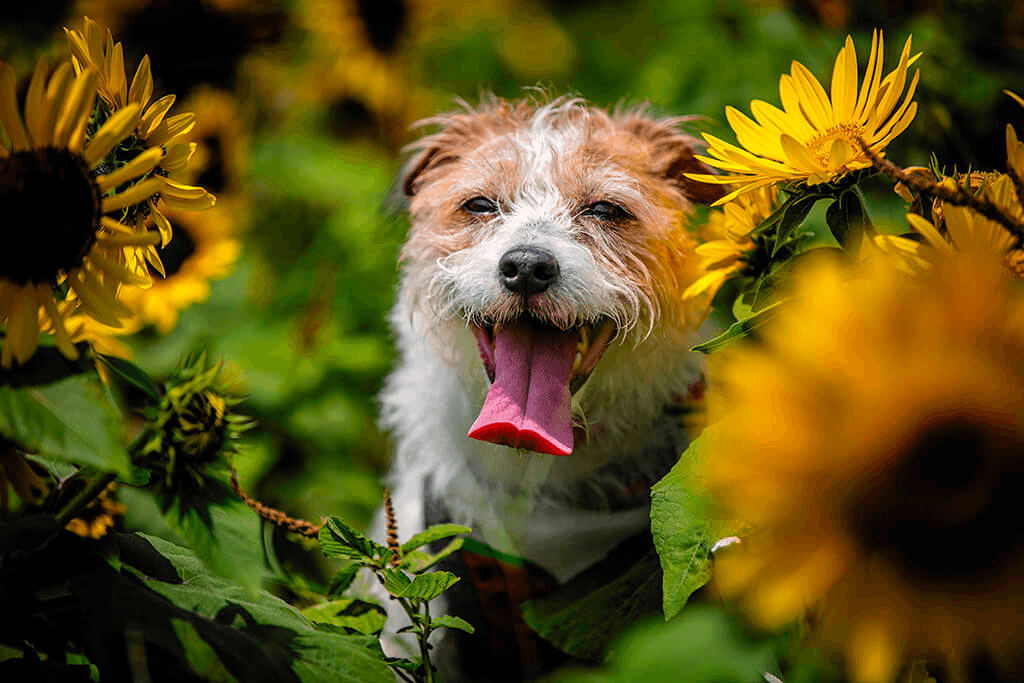
How long your dog should take probiotics will depend on their individual needs. It can take up to 90 days of daily use to see full potential benefits.

- Home/
- Dog/
- Health & Wellness/
- How Long Should a Dog Be on Probiotics?
How Long Should a Dog Be on Probiotics?
Published by
Apr 14, 2026
Updated Aug 26, 2026
11 min read·Updated: Aug 26, 2026

Reviewed by

Vet-reviewed by Dr Legend Thurman, DVM, MSL, CVBP, MRCVS
- How long your dog should take probiotics will depend on their individual needs.
- If you are giving your dog probiotics due to a specific need, such as seasonal allergies or occasional loose stools, it can take up to 90 days of sustained daily use to see full potential benefits.
- Veterinarians generally advise that pups continue taking dog probiotics for several weeks after signs have normalized before tapering off use.
- Many pet parents give their dog probiotics as proactive gut health support at every life stage (from 12 weeks of age.)
Every dog is different – before deciding how long to give your dog probiotics, speak to a veterinarian about the best approach for your pet.

Expert Advice on How Long To Give a Dog Probiotics:
“How long a dog should stay on probiotics can vary quite a bit. Dogs with seasonal allergies or occasional loose stools may benefit from several weeks or months of probiotic use, while others with digestive sensitivities may benefit from consistent long-term use.”– Dr. Legend Thurman, DVM, MSL, CVBP, MRCVS
If you’re considering probiotic supplements for your pup, one of the first questions that comes to mind is, “how long should my dog take probiotics for?” The answer isn’t one-size-fits-all. The duration of probiotic use should be tailored to your dog’s individual needs, whether that’s short-term after a mild digestive upset, or longer-term for consistent, proactive gut support.

How Long Should a Dog Be on Probiotics? (Quick Answer)
Dog probiotic chews and powders are given as gut health support and for the wider potential benefits for overall wellbeing. Most dogs benefit from using probiotics for at least a few weeks to assess how they respond. This initial period helps monitor changes in digestion, stool consistency, and overall comfort.
For mild, short-term digestive upset, dog probiotics can often be reduced or stopped once signs have settled. When probiotics are used during dietary changes, general advice is to continue use for several weeks after signs have normalized as wellness support. Your veterinarian can advise how long your dog should be on probiotics, based on their needs.
Key Takeaways – How Long Should Dogs Take Probiotics?
- How long a dog should be on probiotics will depend on their individual needs.
- Probiotics can be given long-term for proactive gut health support at every lifestage (in dogs from 12 weeks and older.)
- If giving your dog probiotics for support with a specific issue, such as seasonal sensitivities or mild digestive upset, it is generally recommended to continue use for at least 90 days to see full potential benefits, and for several weeks after signs normalize to support wellbeing.
- Some dogs with seasonal sensitivities may benefit from taking probiotics immediately before, during and after exposure to occasional or seasonal allergens, such as grass, pollen or mold spores.
- Mild digestive upset may only require short-term probiotic support, but it’s often recommended to continue use for several weeks to support normal digestion.
- In some cases, it may take up to 90 days of consistent use to assess full potential benefits of giving probiotics.
- A consistent, balanced diet plays an important role in supporting gut health and may influence how a dog responds to probiotics.
The Potential Benefits of Long-term Dog Probiotic Use
Proactive long-term gut support can be beneficial for dogs with seasonal sensitivities or sensitive tummies.
Pet owners often choose to give their dog probiotics as proactive support for gut health and overall wellbeing at every life stage. This can be particularly beneficial for dogs with seasonal sensitivities or sensitive tummies. In these cases, probiotics such as PetLabCo.®’s gold standard DF-14™: Daily Foundation multifunctional health powder for dogs may be used daily as part of a broader care plan, with periodic reassessment to ensure continued benefit.
Important note: If your dog is experiencing persistent signs, such as ongoing loose stools, or changes in appetite, they should be evaluated by a veterinarian.
“How long a dog should stay on probiotics can vary quite a bit. Some dogs only need short-term support, while others may benefit from a longer routine, depending on their digestive needs and overall health.” – Dr. Legend Thurman, DVM, MSL, CVBP, MRCVS
How Long Do Probiotics Take to Work in Dogs?
Some dogs show early signs of digestive support within the first few weeks, while others may require a longer trial period. In some cases, it may take up to 90 days to assess full potential benefits.
The gut microbiome adjusts gradually, so changes are typically progressive rather than immediate. The impact can vary and may be modest in some dogs.

You may notice early signs such as:
- Slightly firmer stools
- Less gas
- Reduced stomach noises
Additional changes to digestive balance may occur over time.
Response can vary depending on:
- Probiotic strains used
- Diet quality and consistency
- Age and overall health
- Reason for use
It’s also important to note that not all dogs will respond to probiotics, even with appropriate use.
Short-Term Probiotic Use: Common Situations
Short-term use is often appropriate when your dog is experiencing temporary digestive changes, such as:
- Mild digestive upset
- Dietary changes
- Travel
- Temporary stress
Once signs have resolved for several days, probiotics can often be discontinued unless otherwise advised by your veterinarian.
Long-Term and Ongoing Probiotic Support
Pet owners often choose to give their dogs probiotics as part of a long-term wellness plan. The daily supplement is a simple way to support gut health and overall wellbeing.
Long-term probiotic use may be particularly beneficial for dogs with digestive sensitivities, older dogs experiencing age-related digestive changes, or dogs in more demanding environments.
Probiotic use should still be reviewed regularly with your veterinarian to ensure it remains appropriate.
It’s also helpful to watch for any changes over time, such as increased gas or softer stools, as this may indicate the need to adjust the product or approach.
Common Timeframes for Dog Probiotics
| Situation | Typical Duration |
| Mild digestive discomfort | Short-term, until signs resolve |
| Transitioning to a new diet | Several weeks during and after transition |
These are general guidelines. Your veterinarian can help tailor duration based on your dog’s individual needs.
How to Monitor Your Dog While Using Probiotics
Monitoring your dog’s response is essential, as changes are often gradual.
What To Expect Early On
Some dogs may experience temporary adjustments:
- Slightly softer stools
- Mild gas
- Small appetite changes
These usually resolve within a few days.
Signs Probiotics May Be Supporting Your Dog
- More consistent stool quality
- Reduced digestive upset
- Normal appetite and energy
When to Stop or Adjust Probiotic Use
You may consider reviewing probiotic use if:
- Digestive signs have resolved
- No noticeable changes after an appropriate trial period
- Mild digestive signs continue
If signs persist, further evaluation is recommended.
Factors That Influence Duration
- Age, breed, digestive sensitivity
- Diet quality and consistency
- Environmental changes
- Medical history
Choosing and Using Dog Probiotics Wisely
Not all probiotic products are the same. Effectiveness can vary depending on:
- Strain selection
- Formulation
- Product quality
Look for:
- Canine-specific formulations
- Clearly listed strains
- Appropriate dosing guidance
Probiotics work best alongside:
- A balanced, consistent diet
- Fresh water
- Regular exercise
Where Does PetLabCo.® Probiotic Chew Fit Into Your Dog’s Routine?

PetLabCo.®’s Probiotic Chew is a once-daily soft chew that can be easily added to your dog’s routine, either as ongoing proactive gut health support, or during specific periods when your dog is experiencing signs of seasonal sensitivity or mild digestive discomfort.
The formulation combines probiotics, prebiotics, and postbiotics, which may help support digestive balance, normal stool consistency, and a healthy gut environment when used consistently over time.
As with any supplement, it’s always a good idea to speak with your veterinarian to make sure it’s the right fit for your dog.
What About PetLabCo.®’s New DF-14™: Daily Foundation Powder?

DF-14™: Daily Foundation is a new multifunctional health powder for dogs from PetLabCo.®. The advanced daily formula provides convenient support for multiple health areas in just one scoop, including gut health, joints, cognition, heart health, skin comfort and immune function.
When taken consistently alongside a balanced diet as part of a healthy lifestyle, DF-14™: Daily Foundation provides targeted whole-body support at every life stage. The gold standard formula is designed to support your dog consistently as their needs evolve over time.
FAQs: How Long Should a Dog Be on Probiotics?
How Long Should My Dog Take Probiotics?
It depends, if you’re looking to support their gut health over time, probiotics can be given proactively at every lifestage (once your pup is 12 weeks old). If giving your dog probiotics to support their gut balance during signs of seasonal or digestive sensitivity, allow at least 90 days for potential benefits to become apparent. It is generally recommended to continue use for several weeks after signs stop, to support overall wellbeing.
Can My Dog Stay on Probiotics Every Day for Years?
Some dogs do take probiotics long-term, particularly those with sensitive digestion. However, this should be reviewed periodically with your veterinarian.
Is It Okay To Stop My Dog’s Probiotics Suddenly?
It’s often helpful to taper off support rather than stopping probiotics abruptly, especially if your dog was previously experiencing signs of seasonal or digestive sensitivity. Speak to your veterinarian before starting or stopping probiotics.
What if Probiotics Don’t Seem To Help?
Patience and consistency are key. It can take up to 90 days of consistent use to see full potential benefits from giving your dog a daily probiotic. If there’s no noticeable changes after 90 days of daily use, your vet may recommend adjusting the approach.
Do Puppies and Senior Dogs Need Different Probiotic Durations?
Puppies and senior dogs may have more sensitive digestion, so probiotic use is often tailored more carefully. Your veterinarian can help guide duration for these life stages.
Final Thoughts: How Long Should a Dog Be on Probiotics?
How long your dog should be on probiotics will depend on why you’re giving them.
Some dogs may benefit from short-term support, during periods of digestive or seasonal sensitivity, while others may do well taking probiotics proactively as part of an ongoing everyday wellness routine.
While early changes may be seen within the first few weeks, more consistent benefits can take longer – and in some cases, up to 90 days of daily use.
Monitoring your dog’s response and working with your veterinarian helps ensure the most appropriate approach over time.
Disclaimer: PetLabCo.® products are not intended to diagnose, treat, cure, or prevent any disease. Results may vary. Always consult your veterinarian before introducing a new supplement. Ingredient lists and quantities accurate at time of writing.
Sources
- Tufts University – Cummings Veterinary Center
https://vetnutrition.tufts.edu/2016/05/the-scoop-on-probiotics-for-pets/ - American Kennel Club
https://www.akc.org/expert-advice/health/probiotics-for-dogs/ - ISAPP Consensus Statement
https://www.nature.com/articles/nrgastro.2014.66
Related Products
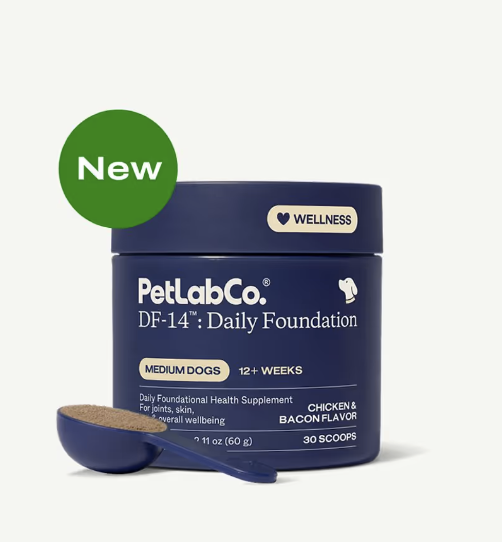
New DF-14™: Daily Foundation multifunctional health powder for dogs


Recommended Reading


 C
CWritten by
Charly Chow
Charly Chow is a pet-industry writer with a passion for canine mental health and wellbeing. When she’s not collaborating with PetLab Co's expert vets on helpful articles for pup pawrents, Charly can be found reading, exploring antiques shops, or cuddling up with Timo and Oreo, her Maltese and Maltipoo fur babies.Stay up to date
Get notified when I publish something new, and unsubscribe at any time.