Learn which food sources and supplements contain natural probiotics and prebiotics that can benefit gut health.

- Home/
- Dog/
- Health & Wellness/
- Natural Probiotics for Dogs: Advice From A Vet
Natural Probiotics for Dogs: Advice From A Vet
Published by
Oct 02, 2025
Updated Mar 31, 2026
18 min read·Updated: Mar 31, 2026

Natural probiotics for dogs are beneficial bacteria found in foods like yogurt and kefir that may help support gut health and digestion when given in small amounts. Common sources of natural probiotics for dogs include plain, unseasoned options like yogurt, kefir, cottage cheese, and some carefully prepared fermented vegetables. When suitable, these foods can be included in your dog’s routine to help support gut health, normal digestion and overall wellbeing.
It’s important to remember that not all fermented foods are suitable for dogs. Options should always be plain and free from added salt, garlic, onion, or spices.
Every dog is different, so new foods should be introduced gradually, and it’s always a good idea to check with your veterinarian before making changes to your dog’s diet.

Some pet parents choose to simplify their dog’s routine by giving a daily probiotic supplement, such as PetLabCo. Probiotic Chew, which can be used as part of a consistent routine to support digestive health.
Key Takeaways: Natural Probiotics For Dogs
- Natural probiotics for dogs are beneficial bacteria that may help support digestive function and overall wellbeing.
- Some dogs may benefit from probiotics, particularly those with digestive sensitivity or during periods of change.
- Probiotics may help support gut health and normal stool quality when used consistently.
- Dog-friendly natural probiotics can include plain yogurt, kefir, cottage cheese, and some unseasoned fermented foods.
- Not all fermented foods are suitable for dogs – avoid added salt, spices, garlic, or onion.
- Always check suitability with your veterinarian before introducing new foods.
- Consistency of use is key to seeing signs of support over time.
- You can simplify your dog’s daily routine with PetLabCo. Probiotic Chew, which provides daily probiotic support in an easy-to-give soft chew format.
Veterinary insight:

Natural probiotic foods can be a helpful addition for some dogs, but they should always be introduced carefully and used as part of a balanced diet” – Dr. Rhiannon Koehler, DVM, PetLabCo. Consultant.
Natural Dog Probiotics: 5 Key Facts for Pet Parents
- Dog-friendly natural probiotics may help support your dog’s digestive function and stool quality when given consistently in appropriate amounts.
- Some suitable human foods contain natural probiotics, and there are also daily probiotic supplements formulated for dogs.
- Some dogs may benefit from probiotics to help bolster beneficial gut bacteria, particularly during dietary changes or if they have sensitive digestion. However, not every dog needs them, and responses can vary.
- When introducing probiotics, it’s important to choose dog-friendly options, start gradually, and monitor how your dog responds.
- If you’re unsure what’s right for your dog, your veterinarian can help guide you.
Beneficial Probiotics for Dogs
Certain types of probiotic bacteria and yeast have been studied for their potential to support digestive function in dogs.[1] These include:
- Lactobacillus strains (Lactobacillus acidophilus, Lactobacillus rhamnosus, and Lactobacillus planatarum)
- Bifidobacterium strains
- Enterococcus faecalis
- Enterococcus faecium
- Ligilactobacillus animalis
- Bacillus subtilis
- Bacillus licheniformis
- Saccharomyces cerevisiae
- Bacillus subtilis
- Bacillus licheniformis
- Limosilactobacillus fermentum
A healthy gut microbiome contains a wide range of bacteria, including groups such as Lactobacillus, Bifidobacterium, Enterococcus, Streptococcus, and Pediococcus. Maintaining a balanced and diverse gut environment plays an important role in digestive health and overall wellbeing.
Probiotic supplements for dogs often include strains that are commonly found in the canine digestive tract, particularly Lactobacillus and Bifidobacterium species.
PetLabCo. Probiotic Chew is formulated with spore-forming probiotic strains, including Bacillus subtilis, Bacillus coagulans, and Bacillus clausii. These strains are selected for their stability and ability to survive the digestive process, which may help them reach the gut more effectively and support digestive balance when used consistently.

Probiotics vs. Prebiotics for Dogs
When looking into canine probiotics, you may come across the term “prebiotics.” While they’re often mentioned together, these beneficial microorganisms support dog gut health in diverse ways, so it’s a good idea to understand the difference between prebiotics and probiotics for dogs.
- Probiotics are live bacteria that may help support a balanced gut microbiome and normal digestion.
- Prebiotics are types of non-digestible fiber that act as a food source for beneficial bacteria.
- Both probiotics and prebiotics can support gut health and may help support digestive comfort. Probiotics introduce beneficial bacteria, while prebiotics help support the growth and activity of those bacteria over time.
- Some natural foods may provide sources of probiotics or prebiotics, but not all are suitable for dogs.
- It’s important to choose dog-friendly options, introduce new foods gradually, and check with your veterinarian before making changes to your pup’s diet.
- Research into natural food sources of probiotics for dogs is still developing, and clear feeding guidelines are not always established. For this reason, consistency, appropriate portion sizes, and veterinary guidance are important.

9 Foods With Probiotics For Dogs
The following dog-friendly foods may contain probiotic bacteria that can help support your dog’s digestive function and overall wellbeing when given in small, appropriate amounts.
- Kefir: Kefir is a fermented milk drink that contains a variety of beneficial microorganisms. If feeding kefir, start with a very small amount (such as ¼ teaspoon) and increase gradually if well tolerated. Dogs with dairy sensitivities should avoid kefir. Always check with your veterinarian before feeding, especially if your dog is on medication.
- Fermented Blueberries: Fermented blueberries may contain Lactobacillus. If offering these, start with a very small amount and monitor your dog’s response. Because preparation methods can vary, it’s best to seek guidance from your veterinarian before feeding fermented foods.
- Cottage Cheese: Cottage cheese may contain Lactobacillus acidophilus. It can be offered in small amounts if your dog tolerates dairy. Avoid if your dog is sensitive to dairy, and introduce gradually to assess tolerance.
- Fermented Bananas: Fermented bananas may contain gut-friendly bacteria, depending on how they are prepared. As with all fermented foods, start with a very small amount and monitor your dog’s response.
- Fermented Carrots or Broccoli: Offer only small amounts of suitable fermented vegetables to begin with and ensure they are plain and unseasoned.
- Pickles: Pickles may be suitable if naturally fermented. However, most pickles are high in sodium or contain ingredients like garlic or spices, which are not suitable for dogs. If used at all, only offer plain, unseasoned, low-salt varieties in very small amounts and infrequently.
- Sauerkraut: Sauerkraut may contain Lactobacillus species. If feeding, choose plain, unseasoned versions without added salt or spices, and offer only small amounts.
- Green Tripe: Green tripe (the stomach lining of ruminant animals) naturally contains good bacteria. It can be included in some dogs’ diets, but it is a raw product and should be handled carefully. Always consult your veterinarian before feeding raw ingredients.
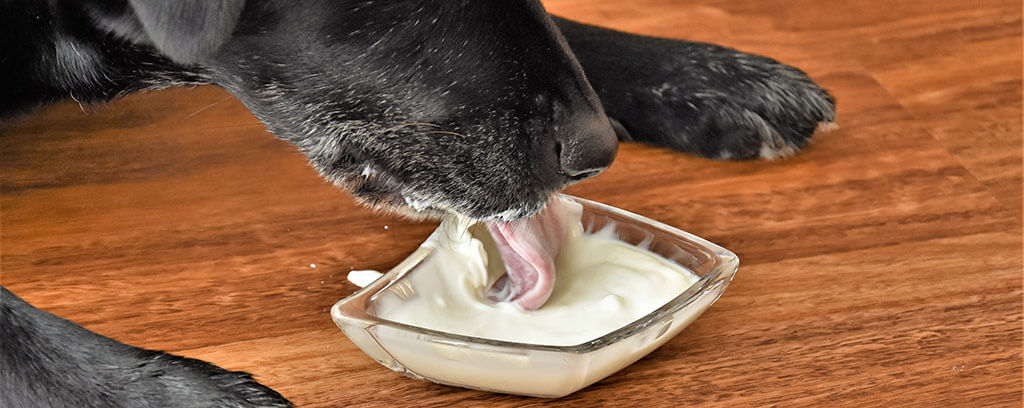
- Yogurt: Plain, unsweetened yogurt contains Lactobacillus. Greek yogurt is often preferred if you will be feeding yogurt to your dog due to its lower lactose content. Avoid flavored or sweetened varieties, and do not feed if your dog is sensitive to dairy.
Important Advice on Feeding Natural Probiotics To Dogs
- Not all fermented foods are suitable for dogs – always choose plain, unseasoned options
- Introduce new foods gradually and monitor your dog’s response
- Portion sizes are not standardised and may vary between dogs
- Some dogs may not tolerate dairy or fermented foods
- Always consult your veterinarian before introducing new foods
7 Sources of Natural Prebiotics for Dogs
Prebiotics are types of non-digestible fiber that help feed beneficial bacteria in your dog’s gut. When included as part of a balanced diet, they may help support digestive health and overall gut balance.
Common dog-friendly sources of natural prebiotics include:
- Pumpkin
- Sweet potato
- Oatmeal
- Carrots
- Broccoli
- Blueberries
- Bananas
When introducing prebiotic-rich foods, it’s important to start with small portions and increase gradually. Some dogs may experience temporary digestive changes, such as gas or softer stools, as their system adjusts.
As always, choose dog-friendly options, introduce new foods slowly, and check with your veterinarian before making changes to your dog’s diet.

Precautions When Feeding Dogs Foods with Natural Probiotics
Before introducing natural probiotics, it’s always a good idea to check with your veterinarian – especially if your dog is experiencing any digestive discomfort or is taking medication.
Here are some key things to keep in mind:
- Introduce foods gradually: Any new food can cause temporary digestive changes. Start with small amounts and increase slowly over several days while monitoring your dog’s response. Some dogs may experience mild gas, bloating, or softer stools as their system adjusts.
- Watch portion sizes: Foods given as treats or additions to meals, including natural probiotic sources, should make up no more than 10% of your dog’s daily calorie intake. Adding extra foods without adjusting their main diet may contribute to weight gain over time.
- Consider sensitivities and allergies: If your dog has known food sensitivities or allergies, some probiotic foods (particularly dairy or certain vegetables) may not be suitable. Always check before introducing new ingredients.
- Choose dog-friendly ingredients: Not all fermented or “healthy” foods are suitable for dogs. Avoid options with added salt, garlic, onion, spices, or artificial sweeteners like xylitol, which can be harmful.
- Be aware of limited research: Research into natural dog probiotics is still developing. Feeding guidelines are not always clearly established, and responses can vary between dogs.
- Account for underlying health conditions: Some probiotic foods, particularly fermented options, may be higher in sodium or not suitable for dogs with certain health conditions. If your dog has ongoing digestive or medical concerns, your veterinarian can help guide appropriate choices.
Can I Make Homemade Probiotics for Dogs?
You should always consult with a veterinarian before making homemade probiotics for dogs. Adding any new foods can easily throw off the balance of your dog’s diet and contribute to obesity.
However, you can mix and match dog-safe probiotic foods to give as treats in moderation. Just make sure to do this under guidance from your veterinarian.
Keep in mind that homemade recipes featuring foods with probiotics will have a shelf life. Pet parents should store any homemade treats or food appropriately and be sure to avoid giving dogs foods past their expiration date.
Example: Frozen Probiotic Dog Treat
A simple frozen treat can combine ingredients that may help support digestive health when given occasionally:
Ingredients:
- 2 cups plain, unsweetened Greek yogurt
- ¼ cup plain peanut butter (xylitol-free)
- ¼ cup pumpkin puree
Instructions:
Mix the ingredients together, portion into an ice cube tray or mould, and freeze. Serve in small amounts as an occasional treat.rve up probiotic treats to your dog!
Important Considerations
- Introduce any new foods gradually and monitor your dog’s response
- Treats, including homemade options, should make up no more than 10% of daily calorie intake
- Not all dogs tolerate dairy or certain ingredients
- Recipes not guided by a veterinarian may not be nutritionally balanced
If you’re unsure whether homemade probiotics are suitable for your dog, your veterinarian can help guide you based on their individual needs.
Foods With Probiotics Vs. Probiotic Supplements for Dogs
Both natural probiotics and probiotic supplements can play a role in supporting your dog’s digestive health, but they differ in how they are used and what they provide.
Quick Comparison: Natural Probiotics vs Supplements for Dogs
| Consideration | Natural probiotics for dogs | Probiotic supplements for dogs |
| Research and formulation | Natural probiotics, while commonly used, are less consistently studied in dogs. | Probiotic supplements for dogs are typically formulated specifically for canine use, and some have been studied for their role in supporting digestive health. |
| Consistency and CFU levels | Natural food sources can contain gut-friendly bacteria, but the amount and type can vary depending on how the food is prepared and stored. | Probiotic supplements usually provide a measured amount of live bacteria, often expressed as colony-forming units (CFUs). This allows for more consistent dosing. |
| Calories and portion control | Dog-friendly probiotic foods contribute additional calories. Feeding larger amounts to match supplement levels may not be practical and could affect your dog’s overall diet balance. | Probiotic supplements are generally low in calories and can be added without significantly changing your dog’s daily intake. |
| Suitability for dogs | Probiotic foods may still be suitable in small amounts, but not all options are appropriate for every dog. | Supplements are designed with dogs in mind, including strain selection and dosage guidance. |
| Variety and individual response | Different natural probiotics may suit different dogs, and responses can vary. | Supplements can vary in their composition. Different strains, formats, and ingredients may suit different dogs, and responses can vary. |
| Overall approach | Probiotic foods can be included in moderation as part of your dog’s balanced diet. They should be factored into overall calorie intake to avoid overfeeding. | When used as part of a consistent routine, some pet parents choose supplements for convenience. Dog-specific probiotic supplements may offer more consistency in formulation and dosing. |
Dog-friendly natural probiotics and dog-specific probiotic supplements can both help support your pup’s digestive health when used appropriately. The best approach depends on individual needs and should be guided by your veterinarian.
Other Sources of Probiotics for Dogs
In addition to natural food sources, there are several other ways to give dog probiotics, including soft chews, powders, capsules, and specially formulated dog foods.
When choosing a probiotic, it’s important to look for products designed specifically for dogs. While some human foods like yogurt or kefir contain beneficial bacteria, dog-specific probiotics are formulated with strains and dosages intended for canine digestive systems.
Dog probiotics are generally used to help support a balanced gut environment and normal digestion when given consistently. Different formats may suit different dogs, depending on their preferences and routine
Probiotic Soft Chews for Dogs
Soft chews are a popular option because they are easy to give and can fit easily into a daily routine.
Products like PetLabCo. Probiotic Chew are formulated with a blend of probiotics, prebiotics, and postbiotics, and are designed to help support digestive balance and normal stool quality when used consistently. Some pet parents choose this format for convenience and ease of use. PetLabCo. also has an Allergy & Immune Probiotic Chew, which may be a good alternative to natural probiotics for dogs with seasonal allergies.
Probiotic Powders and Capsules
Probiotic powders can be sprinkled over your dog’s food, while capsules may be given whole or opened and mixed into meals, depending on the product instructions.
These formats can offer flexibility, although some dogs may be more selective with food that has been altered. It’s always best to follow the product’s guidance and monitor your dog’s response.
Probiotic Dog Food
Some dog foods include added probiotics or prebiotics as part of their formulation. If you’re considering switching to one of these options, your veterinarian can help determine whether it’s a suitable choice for your dog.
Dog probiotics can be given in a variety of formats, from natural foods to supplements and functional dog foods. The right option often depends on your dog’s individual needs, preferences, and routine. For guidance on what may work best for your dog, your veterinarian can help you make an informed choice.
FAQ: Natural Probiotics for Dogs
What Are Natural Probiotics for Dogs?
Natural probiotics for dogs are beneficial bacteria found in foods like yogurt, kefir, and other fermented foods that may help support digestive health when given in appropriate amounts.
Which Foods Contain Helpful Bacteria for Dogs?
Some foods naturally contain beneficial bacteria that may help support your dog’s digestive health when given in small, appropriate amounts. Common dog-friendly options include plain yogurt, kefir, cottage cheese, and some carefully prepared, unseasoned fermented vegetables such as sauerkraut.
It’s important to choose foods that are free from added salt, sugar, garlic, or spices, as these can be harmful to dogs. Not all dogs tolerate fermented or dairy-based foods, so new options should be introduced gradually and monitored.
If you’re unsure which foods are suitable for your dog, your veterinarian can help guide you.

What Are the Best Natural Probiotics for Dogs?
There isn’t a single “best” natural probiotic for all dogs, as suitability depends on your dog’s individual needs and tolerance. Common dog-friendly options include plain yogurt, kefir, and cottage cheese, as well as some carefully prepared, unseasoned fermented vegetables. These foods may help support digestive health when given in small, appropriate amounts.
It’s important to choose options that are free from added salt, sugar, garlic, or spices, and to introduce them gradually. If you’re unsure which option is most suitable for your dog, your veterinarian can help guide you.
Are All Natural Probiotics Suitable for Dogs?
No – some natural probiotics can be suitable when given in small amounts, but not all are suitable for every dog. It’s important to introduce new foods gradually and consult your veterinarian.
Are Probiotic Supplements Better Than Natural Foods?
Probiotic supplements may offer more consistent dosing and formulation, while natural foods can be used in moderation. The best option depends on your dog’s needs.
What Are Signs My Dog Needs Digestive Support?
Some dogs may show signs of digestive discomfort. These can include occasional loose stools, changes in stool consistency, gas, or a temporary change in appetite. You might also notice increased stomach noises or mild digestive sensitivity during times of stress or dietary change.
These signs don’t always mean your dog needs probiotics, but they can indicate that their digestive system may benefit from additional support. If symptoms persist, worsen, or include vomiting, lethargy, or blood in the stool, it’s important to speak with your veterinarian to rule out underlying issues.
How Long Does It Take for Probiotics To Work in Dogs?
Some dogs may show changes within a few days, but more consistent results can take several weeks. Responses can vary between dogs.
Can I Give My Dog Probiotics Every Day?
Some dogs can take probiotics daily, but they are not necessary for every dog. Daily use should be based on your dog’s individual needs and veterinary guidance.
A Final Word on Natural Dog Probiotics
Natural probiotics for dogs may provide beneficial support by bolstering healthy gut bacteria and helping to maintain your pup’s gut microbiome balance.
Some pet parents choose to supplement their pup’s diet with suitable foods, probiotic powders or soft chews, but not every dog requires probiotics for gut health.
Always feed your dog a complete, balanced diet within recommended calorie guidelines for their age, breed and individual needs. Speak to your vet before adding natural probiotics or probiotic supplements to their routine and monitor response over time to determine whether your dog is benefiting from the additional nutrients.
PetLabCo. products are not intended to diagnose, treat, cure, or prevent any disease. Results may vary. Always consult your veterinarian before introducing a new supplement. Ingredient lists and quantities accurate at time of writing.
Sources
- International Scientific Association for Probiotics and Prebiotics (ISAPP)
https://isappscience.org/for-consumers/learn/prebiotics/ - American Kennel Club (AKC)
https://www.akc.org/expert-advice/health/probiotics-for-dogs/ - Tufts University – Cummings Veterinary Center
https://vetnutrition.tufts.edu/2016/05/the-scoop-on-probiotics-for-pets/ - Homemade Probiotics for Dogs – Total Vet https://total.vet/homemade-probiotics-for-dogs/?srsltid=AfmBOorK_fxtAe1cbeRT8nypnxBIPa1m4T5ZLxKx_JhgMmGsiLhkMBYV
Related Products


Recommended Reading


 R
RWritten by
Rhiannon Koehler, DVM
As the founder of Evergreen Medical Writing, LLC, Dr. Rhiannon Keohler writes in the veterinary and biomedical spaces and works with companies like PetLab Co. to help provide the best guidance for pet parents on pet health. In addition to writing new content, Dr. Koehler also provides her veterinary expertise as a medical reviewer, ensuring content is medically accurate and reflects the most current veterinary practices. Clinically, Dr. Koehler mostly works with animal shelters, low-cost clinics, and wellness clinics. She believes strongly in the mission of such organizations to provide affordable care to underprivileged pets and families. She graduated from the University of Missouri with her Doctor in Veterinary Medicine and her Masters in Public Health and has over a decade of experience in the veterinary industry.Stay up to date
Get notified when I publish something new, and unsubscribe at any time.