In this vet-reviewed article, we explain how probiotics may help support your dog’s digestive function, immune health, and wellbeing. Dr Thurman Legend DVM MSL CVBP MRCVS provides expert advice.

- Home/
- Dog/
- Health & Wellness/
- What Do Probiotics Do For Dogs? How Do They Help?
What Do Probiotics Do For Dogs? How Do They Help?
Published by
Feb 05, 2026
Updated Mar 03, 2026
10 min read·Updated: Mar 03, 2026
Reviewed by
Vet-reviewed guidance on what probiotics may do for dogs, how they work, and what to expect.
Probiotics are beneficial bacteria that may help support your dog’s digestive function, immune health, and overall wellbeing, especially when used daily and consistently. These live microorganisms work by helping maintain a healthy balance of bacteria in your dog’s gut, which plays a key role in digestive wellness and immune health.

Probiotics can be a valuable part of a dog’s wellness routine, supporting digestion and immune function. However, each dog responds differently, and consistent daily use over several weeks is usually needed to see measurable changes.”
– Dr. LEGEND
US DVM, MSL, CVBP, MRCVS
What Is a Probiotic for Dogs?
A probiotic for dogs is a supplement that contains beneficial, live microorganisms designed to support the natural balance of bacteria in the gut. In dogs, probiotics are commonly used as part of a daily wellness routine to help maintain normal digestive function and support immune health. Probiotics work by supporting the gut environment, where digestion and immune activity naturally occur – they do not treat or cure conditions. Probiotics formulated specifically for dogs take into account canine digestion, gut physiology, and suitability.

How Do Probiotics Help Dogs?
Probiotics support the gut environment, where much of your dog’s immune system resides. Benefits vary by individual dog and results are not guaranteed. Individual results may vary.
When given consistently, dog probiotics may help:
- Support normal digestive function and stool regularity
- Maintain a balanced gut microbiome
- Provide support during lifestyle or dietary changes
- Encourage healthy immune responses, particularly during seasonal or environmental stress
Individual responses vary, and not all dogs will experience the same degree or type of benefit.. For dogs with ongoing signs of digestive or immune concerns, it’s important to consult your vet before giving probiotics.
Key Takeaway:
Probiotics work best when given consistently. While benefits vary by dog, many pet parents use them to help support digestive and immune health during everyday life changes.
What Are the Main Potential Benefits of Dog Probiotics?
When used consistently, probiotics may help support several key areas of canine wellness:
- Digestive balance – supporting normal stool quality and regularity
- Gut comfort – especially during occasional dietary or lifestyle changes
- Immune health – as a large portion of a dog’s immune system is located in the gut
- Microbiome stability – encouraging a diverse and balanced gut environment
- Overall wellbeing – supporting daily comfort and vitality
Benefits vary by dog, and visible changes may take several weeks, or even months, to develop.
How Do I Choose a Probiotic for Dogs?
Look for products that contain:
- Spore-forming probiotic strains, like Bacillus subtilis, Bacillus clausii, and Bacillus coagulans – resilient strains known to survive the digestive process
- Prebiotics, such as FOS and GOS, to help feed existing good bacteria
- Postbiotics, like yeast extract, which help support a balanced gut environment
PetLabCo. Probiotic Chew includes all three: probiotics, prebiotics, and postbiotics – formulated specifically for dogs and reviewed by canine health experts.
Probiotics, Prebiotics & Postbiotics – What’s the Difference?
| Type | What It Is | What It Does |
| Probiotic | Live beneficial bacteria | Supports gut microbiome and digestive balance |
| Prebiotic | Non-digestible fibers like FOS & GOS | Feeds existing good bacteria in the gut |
| Postbiotic | Non-living byproducts from bacteria | Supports gut environment and immune communication |
What Probiotic Benefits Might Pet Parents Notice?
While results vary, common signs of probiotic support include:
- More regular stools
- Less occasional gas or digestive sensitivity
- Fewer signs of paw licking or head shaking (in cases of seasonal discomfort)
- Overall improved comfort, especially during travel, changes in routine, or changes in environment
Probiotics may support dogs during times like travel, stress, or seasonal changes, but responses can vary from dog to dog. These benefits are supportive rather than guaranteed, and probiotics should always be used as part of a broader wellness routine alongside veterinary guidance.

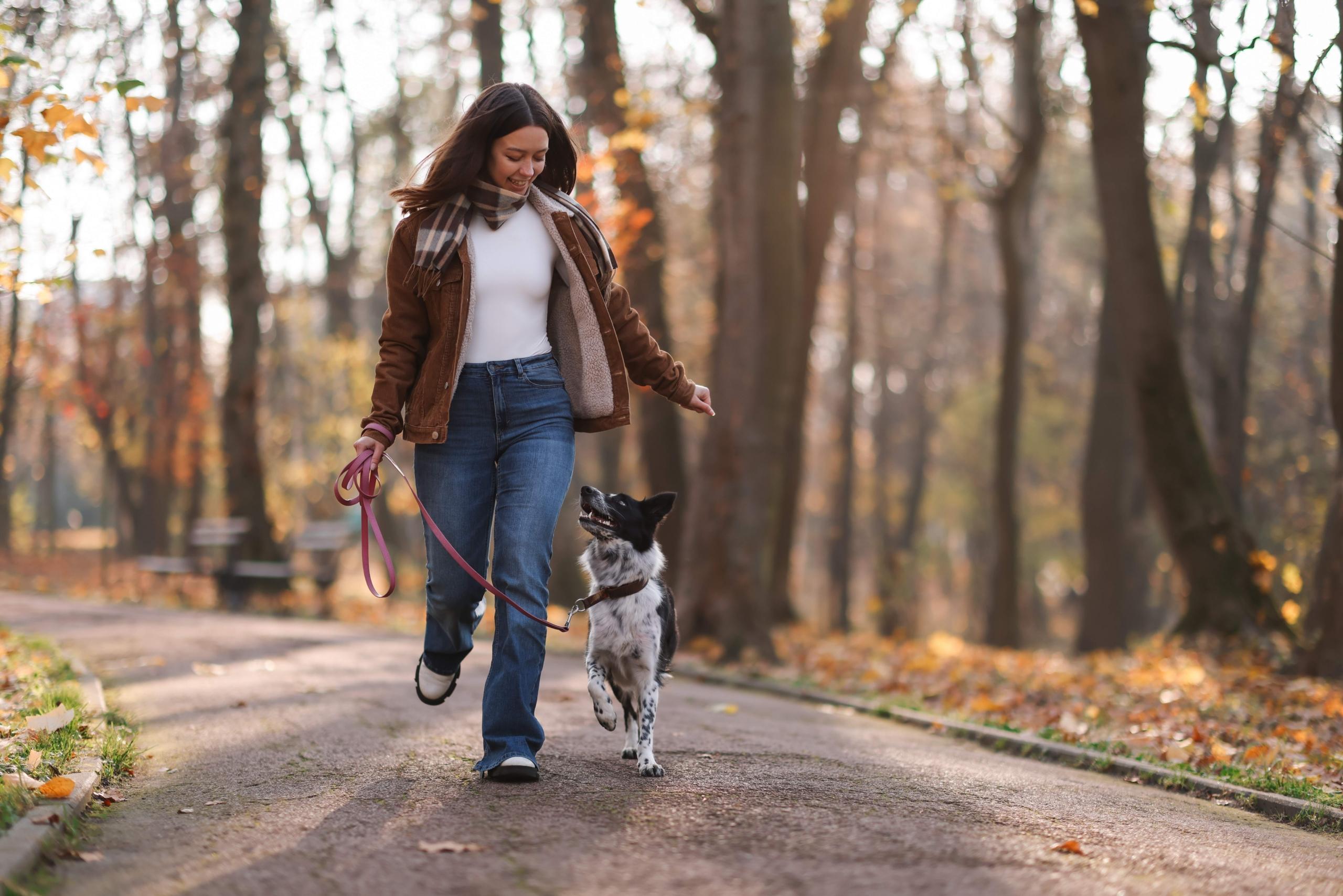
*AI generated image
How Might Probiotics Help Support My Dog’s Digestive Health?
A dog’s digestive tract is home to trillions of microorganisms that help break down food, absorb nutrients, and maintain gut comfort. Probiotics help by supporting beneficial bacteria already present and encouraging a more balanced gut environment.
This balance may help dogs maintain:
- Firmer, more consistent stools
- Less occasional gas or digestive upset
- More settled tummies
Digestive support is often one of the first areas pet parents notice with consistent probiotic use.
How Do Probiotics Work in a Dog’s Gut?
Probiotics don’t permanently replace existing bacteria. Instead, they pass through the digestive system, interacting with the gut environment along the way.
Spore-forming probiotic strains (such as Bacillus species) are commonly used in dog supplements because they are more stable, resilient, and designed to survive digestion. As they move through the gut, they may help:
- Support microbial diversity
- Encourage beneficial bacterial activity
- Promote a healthy gut barrier
Over time, this may help maintain a more balanced microbiome.
Key Takeaway:
Probiotics don’t permanently stay in the gut, which is why daily use matters. Over time, consistent use may help support a more balanced and diverse gut microbiome.
How Do Probiotics Support Immune Function in Dogs?
Approximately 70% of a dog’s immune system is associated with the gastrointestinal tract, which is why gut health and immune health are closely connected.
By supporting a balanced gut microbiome, probiotics may help maintain a normal immune response, particularly during:
- Seasonal changes
- Environmental stressors
- Travel, boarding, or routine disruption
Probiotics play a supportive role as part of an overall wellness routine.
Why Is the Gut-Immune Connection Important for Dogs?
The gut acts as a communication hub between digestive and immune health. A healthy gut environment helps the body distinguish between helpful and harmful signals, supporting immune balance rather than sensitivity.
When the gut microbiome is supported:
- Digestive comfort may improve
- Immune balance may be better maintained
- Overall wellbeing may be supported
This gut–immune connection is why probiotics are often considered foundational wellness support, not just digestive support.
PetLabCo. Probiotic Chew: Potential Benefits for Dogs

PetLabCo. Probiotic Chew is designed for easy, daily use as part of your dog’s regular wellness routine, combining carefully selected probiotic strains with supportive ingredients chosen specifically for dogs.
Key features include:
- Spore-forming probiotic strains for stability and survivability
- Added prebiotics (FOS & GOS) to help feed beneficial bacteria
- Postbiotic yeast extract to support gut environment balance
- A soft-chew format that’s easy to give consistently
- An expert-reviewed formulation designed specifically for dogs
Daily consistency is key to supporting gut balance over time.
PetLabCo. Probiotic Chew – Ingredient Overview
| Ingredient | Source | Role in the Formula |
| Bacillus subtilis | Probiotic (spore-forming) | Supports gut microbiome balance |
| Bacillus clausii | Probiotic (spore-forming) | Supports digestive and gut comfort |
| Bacillus coagulans | Probiotic (spore-forming) | Helps maintain normal digestive function |
| Fructooligosaccharides (FOS) | Prebiotic fibre | Helps feed beneficial gut bacteria |
| Galactooligosaccharides (GOS) | Prebiotic fibre | Supports microbial diversity |
| Synergistic Yeast Blend | Postbiotic | Supports gut environment balance |

When to Talk to Your Vet Before Giving Probiotics
Dr. Thurman Legend US DVM, MSL, CVBP, MRCVS
High-quality probiotics like PetLabCo.’s Probiotic Chew are designed specifically for dogs, but they should be used as part of an overall wellness plan. Dogs with persistent digestive issues or health concerns should always be evaluated by a veterinarian.”
Dr. LEGEND
US DVM, MSL, CVBP, MRCVS. VET CONSULTANT TO PETLABCO.
While many dogs may benefit from probiotics as part of their daily wellness routine, it’s a good idea to consult your vet before giving them, if your dog has:
- Repeatedly experienced loose stools or irregular bowel movements
- Shown signs of persistent allergic response
- Experienced ongoing digestive discomfort
- Recently been given antibiotics
Your vet can help you decide whether probiotics are suitable, and how best to introduce them to your dog’s daily routine.
Frequently Asked Questions: What Do Probiotics Do for Dogs?
Do dogs need probiotics?
No, dogs don’t require probiotics. They can be a supportive addition to your pup’s daily wellness routine, when included alongside a healthy balanced diet, regular exercise and adequate hydration.
Can probiotics help dogs with occasional diarrhea?
Probiotics may help support normal digestive function. Persistent diarrhea should be assessed by a veterinarian.
Can All Dogs Benefit from Probiotics?
Not every dog will respond in the same way to probiotics, but many dogs may benefit from additional gut support at certain times. Dogs with stable digestion may use probiotics proactively to help maintain balance, while others may benefit more noticeably during periods of change or stress. Factors such as age, diet, lifestyle, environment, and individual gut microbiome composition all influence how a dog responds. Because of this variation, probiotics are best viewed as supportive tools, not one-size-fits-all solutions.
How long do probiotics take to work in dogs?
Many dogs may show subtle changes sooner, but it can take up to 90 days of consistent use to see full potential benefits from giving your dog probiotics.
Key Takeaway:
Probiotics are not a quick fix, but when used consistently, they can be an easy-to-use, science-informed way to support your dog’s digestive and immune health over time.
Final Thoughts: What Probiotics Do For Dogs
When given consistently as part of a daily routine, probiotics may help support your dog’s digestive comfort, stool quality, and immune balance by promoting a balanced gut microbiome. They’re one of the most well-researched tools available to support proactive canine wellness – not quick fixes or cures.
“High-quality probiotics like PetLabCo.’s Probiotic Chew are designed specifically for dogs, but they should be used as part of an overall wellness plan. Dogs with persistent digestive issues or health concerns should always be evaluated by a veterinarian.”
– Dr. Thurman Legend, DVM MSL CVBP MRCVS
Ready to Support Your Dog’s Gut Health?
Try PetLabCo. Probiotic Chew – formulated for daily digestive and immune support as part of a daily wellness routine. Subscribe & save up to 40%.
Sources
- National Veterinary Services (NVS). The Microbiome in Companion Animals: The Foundation of Systemic Health.
https://www.nvsweb.co.uk/blog/the-microbiome-in-companion-animals-the-foundation-of-systemic-health/ - Suchodolski, J. S. Analysis of the Gut Microbiome in Dogs and Cats.
Veterinary Clinical Pathology, 51(1), 6–17.
https://doi.org/10.1111/vcp.13013 - Schmitz, S. S., & Suchodolski, J. S. Understanding the Canine Intestinal Microbiota and Its Modification by Pro-, Pre- and Synbiotics.
Veterinary Medicine and Science, 2(2), 71–94.
https://doi.org/10.1002/vms3.17 - Encyclopaedia Britannica. Gut-Associated Lymphoid Tissue (GALT). https://www.britannica.com/science/gut-associated-lymphoid-tissue
- Yan, F., & Polk, D. B. Probiotics and Probiotic-Derived Functional Factors: Mechanistic Insights Into Intestinal Homeostasis. Frontiers in Immunology, 11, 1428.
https://doi.org/10.3389/fimmu.2020.01428 - WSAVA Global Nutrition Committee – Microbiome & gut health overview
https://wsava.org/global-guidelines/global-nutrition-guidelines/ - Encyclopaedia Britannica – Probiotics (general, non-disease framing)
https://www.britannica.com/science/probiotic
Related Products


Recommended Reading


 C
CWritten by
Charly Chow
Charly Chow is a pet-industry writer with a passion for canine mental health and wellbeing. When she’s not collaborating with PetLab Co's expert vets on helpful articles for pup pawrents, Charly can be found reading, exploring antiques shops, or cuddling up with Timo and Oreo, her Maltese and Maltipoo fur babies.Stay up to date
Get notified when I publish something new, and unsubscribe at any time.