Discover how a consistent daily dog care routine can support your pup’s gut health, mood, energy, and more. Includes easy tips and a printable daily routine chart.

- Home/
- Dog/
- Health & Wellness/
- Your Dog’s Daily Schedule: Hour by Hour Guide
Your Dog’s Daily Schedule: Hour by Hour Guide
Published by
Sep 16, 2025
Updated May 01, 2026
11 min read·Updated: May 01, 2026
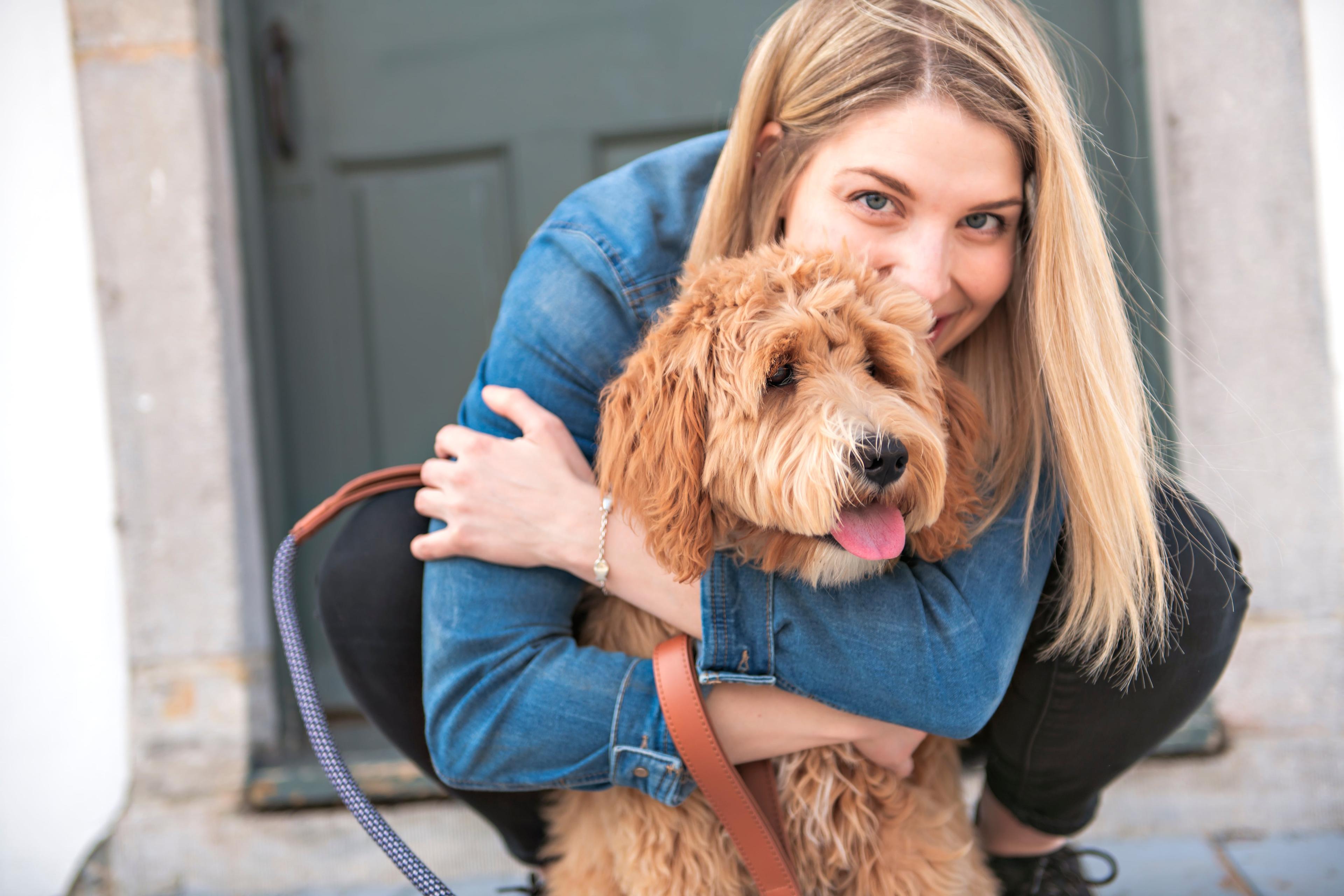
A good daily routine for a dog includes consistent feeding times, regular toilet breaks, daily exercise, mental stimulation, rest, and bonding time. Keeping these predictable can help your dog to feel relaxed, as they know when to expect their walks, treats and play sessions!
Whether you’re building a new dog routine or learning how to prepare for a puppy, starting with a simple structure makes things easier. A clear daily schedule helps you stay consistent while supporting your dog’s needs.
Using a printable dog daily schedule can make it easier to stay organized and keep your routine on track.

What Is a Good Daily Routine for a Dog? (Quick Answer)
A good daily routine for a dog typically includes:
- Regular feeding times
- Consistent potty breaks
- Daily walks and movement
- Mental stimulation and training
- Rest and quiet time
- Bonding and interaction
Using a printable dog daily schedule chart can help you stay consistent and make adjustments based on your dog’s needs.
A Typical Dog Daily Schedule (Hour by Hour)
While every dog is different, this example can be a helpful starting point when building your daily routine:
Morning (6:00 AM – 9:00 AM)
- Potty break immediately after waking
- Short walk (20–30 minutes, depending on age and breed)
- Breakfast
- Calm time or rest
Midday (11:00 AM – 2:00 PM)
- Potty break
- Short walk or play session
- Enrichment (toys, training, or interaction)
If you’re out during the day, this is often when a dog walker or sitter may visit.
Afternoon / Evening (4:30 PM – 7:00 PM)
- Longer walk or active play session
- Training or mental stimulation
Dinner & Wind Down (6:00 PM – 9:00 PM)
- Dinner
- Light activity (gentle play, training, or bonding)
- Relaxed time at home
Night (9:00 PM – 10:00 PM)
- Final potty break
- Settle down for sleep
Dog Daily Schedule Chart (Printable)
Using a printable dog daily schedule chart can make it easier to stay consistent.
Our printable dog daily routine chart is designed to help you keep track of your dog’s schedule. If you aren’t sure about any of the elements, or the suggested rhythm of activities, be sure to consult your vet to ensure they are appropriate for your dog.

Areas covered in our printable routine chart include:
| Time | Activity |
| Morning | Potty, walk, breakfast |
| Midday | Potty, play, enrichment |
| Afternoon | Walk, training |
| Evening | Dinner, bonding |
| Night | Final potty, sleep |
You can adapt this based on your dog’s age, energy level, and lifestyle.
Tip: Keep your chart somewhere visible (like the fridge) to help everyone in your household stay consistent.
Key Considerations – Planning Your Dog’s Schedule

- Consistency can make a difference – many dogs benefit from predictability, so keep meal and walk times as consistent as possible.
- Hydration – it’s important to ensure your dog has access to fresh water throughout the day.
- Exercise and mental stimulation – daily movement and play are important, but the type and duration may vary depending on your dog’s breed, age, and health.
- Grooming and health – regular brushing, nail checks, and dental care can be built into your weekly routine. Some owners also choose to include daily oral care habits as part of their dog’s routine.
- Quality time – bonding time can play an important role in your dog’s sense of security. Try to spend some time petting, playing or cuddling each day.
Remember, every dog is different – the most important factor in establishing your daily care routine is that it works for you and your dog. This can help you stay consistent and support a more stable routine.
Setting A Daily Schedule For A New Dog
When introducing a new dog to your home, a routine can help them adjust more comfortably.
- Start by mapping out:
- Waking up: What time will your dog start the day?
- Toileting: Where and how often will they go?
- Meal times: Consistent feeding schedule
- Exercise: Walks and play sessions
- Mental stimulation: Toys, training, enrichment
- Alone time: Gradual exposure to being alone
- Bonding time: Daily interaction
- Grooming & care: Brushing, hygiene
- Bedtime: A consistent wind-down routine
It may take a little time to refine your schedule, especially as you learn what works best for your dog.
Be mindful of how you will balance your dog’s needs with those of your wider household; if a particular meal time or walk feels unrealistic when factoring in considerations such as school pick up or family dinner, it may be more helpful to make achievable adjustments so that things can stay consistent for you and your dog.
Factoring in Doggy Meal Times
Meal timing plays a key role in your dog care routine.
- Most adult dogs are fed twice daily
- Puppies may need 3–4 smaller meals
- Feeding at consistent times can support routine and predictability
It can also help to avoid feeding immediately before or after intense exercise.
Giving Your Dog Daily Supplements
Some owners choose to include supplements as part of their dog’s daily schedule. When used appropriately, these can fit into feeding times or existing habits, making them easy to incorporate into your routine.
PetLabCo.® offers a range of products that are designed to be used daily as part of a balanced routine, depending on your dog’s individual needs. These should always be used in line with feeding guidelines, and it’s a good idea to speak with your vet if you’re unsure what’s right for your dog.
How to Include PetLabCo.® Supplements in Your Dog’s Daily Routine
| Product | When to Give | How to Use | Routine Tip |
| ProBright® Advanced | Once daily (typically at mealtime) | Add 1 scoop of dental powder to your dog’s bowl. | Can be part of a consistent dental care routine that helps support oral hygiene and tartar build-up. |
| Probiotic Chew | Daily | Give as a soft chew according to weight guidelines | Can be given at the same time each day to support routine |
| Joint Care Chew (Advanced) | Daily | Give soft chew(s) based on your dog’s size | Often included after walks or activity as part of a routine |
| Allergy & Immune Chew | Daily | Give as directed based on weight | Can be built into your dog’s morning or evening routine |
Things to Keep in Mind When Giving Your Dog Daily Supplements
- Consistency often matters more than timing. Choosing a regular time each day can help you stay on track
- Introduce any new supplement gradually where appropriate
- Monitor your dog and adjust your routine as needed
- Speak with your vet if your dog has specific health needs or is on other medications
Adding supplements into your dog routine doesn’t need to be complicated. Keeping it simple and consistent can make it easier to maintain over time.
Planning for Toilet Breaks
Toilet breaks should be built into your daily schedule.
Many dogs benefit from:
- First thing in the morning
- After meals
- After naps
- Before bedtime
Puppies and younger dogs typically need more frequent opportunities.
Including Alone Time In Your Dog’s Daily Care Plan
Gradually introducing alone time can help your dog feel more comfortable when you’re not home.
Start with:
- Short periods alone
- Safe, comfortable space
- Toys or enrichment
Over time, many dogs become more confident with predictable alone-time routines.
Preparing for Bonding / Quality Time
Bonding doesn’t need to be complicated.
You can include:
- Short training sessions
- Gentle play
- Calm time together
Even small, consistent interactions can help your dog feel more connected to you.
Puppy Routine Planning: How To Set a Schedule
Puppies need a slightly different routine:
- More frequent potty breaks
- Shorter bursts of activity
- More sleep throughout the day
- Regular training moments
It’s normal for puppy routines to feel a little unpredictable at first.
Resetting An Existing Dog Routine
Sometimes routines need to change – this is completely normal.
You might need to reset your dog’s routine if:
- Your schedule changes
- You move home
- A new pet or family member is introduced
How to reset a routine:
- Adjust gradually rather than all at once
- Keep key anchors (feeding, bedtime) consistent
- Give your dog time to adapt
Tips For Sticking To Your Dog’s Daily Care Routine
- Set reminders on your phone or smart speaker
- Keep essentials (food, chews, water bowls) in the same locations
- Use a routine tracker to monitor consistency
- Be flexible – missed steps happen, but get back on track when you can
Even when life gets chaotic, a consistent daily care routine gives your dog something predictable to rely on and may help to keep them calm, comfortable and happy.
Why Is My Dog’s Daily Routine Important?
Just like people, many dogs tend to feel more secure and content when their day follows a familiar rhythm. Whether your pup is a high-energy adventurer or a couch-loving cuddlebug, a consistent daily routine helps them feel safe, balanced, and cared for.
By establishing a well-rounded, consistent routine, you’re laying good foundations for your dog to have a tail-wagging, happy life.
A daily dog routine isn’t just about scheduling meals and walks; it’s a way to:
- Support digestive regularity through consistent feeding
- Encourage calmer behaviour through predictability
- Help your dog feel more secure
- Support balanced energy levels through movement and rest
- Strengthen your bond through daily interaction
Dogs tend to respond well to predictable patterns, even if the routine isn’t perfect.
How To Help Your Dog Adjust to a Routine
Some dogs may take longer to adapt to a new routine.
If this happens:
- Keep timing consistent
- Stay calm and patient
- Avoid sudden changes where possible
Over time, many dogs begin to anticipate their routine and settle more easily.
FAQ: Daily Dog Care Routine
Do dogs need the same routine every day?
Many dogs respond well to predictability. A consistent schedule can help support calmer behaviour and routine consistency.
What if I miss part of the routine?
It’s okay! Just return to your normal schedule as soon as you can.
Do older dogs need different routines?
It’s likely that your dog’s routine will need to adapt as they get older. Senior dogs may need more rest, shorter walks, or additional supportive care. Talk to your vet about age-appropriate adjustments to their routine.
Can I use this routine for a puppy?
Yes, but puppies need more potty breaks, more training, and frequent naps. Adjust accordingly!
Can I use a printable dog daily schedule chart?
Yes, a printable dog daily schedule chart PDF can be a helpful way to stay organised and consistent.
Final Thoughts: Planning Your Dog’s Daily Schedule
A well-structured dog routine doesn’t need to be perfect—it just needs to be consistent and realistic for your lifestyle.
By following a clear dog care routine and using tools like a printable dog daily schedule chart, you can create a balanced day that supports your dog’s needs while fitting into your own routine.
Over time, these small, consistent habits can help your dog feel more settled, confident, and comfortable in their daily life.
Disclaimer: This article is for informational purposes only and does not constitute veterinary advice. Always consult your veterinarian before introducing new routines or supplements into your dog’s care.
Sources & Further Reading
For more information on building a healthy dog care routine and understanding your dog’s daily needs, you may find the following resources helpful:
VCA Animal Hospitals – Veterinary-reviewed articles on dog health, routines, and behaviour
https://vcahospitals.com/know-your-pet
American Kennel Club (AKC) – Dog care, routines, and training basics
https://www.akc.org/expert-advice/
ASPCA (American Society for the Prevention of Cruelty to Animals) – General pet care guidance, including feeding, exercise, and behaviour
https://www.aspca.org/pet-care/dog-care
American Veterinary Medical Association (AVMA) – Guidance on responsible pet ownership and preventive care
https://www.avma.org/resources/pet-owners
Disclaimer: PetLabCo. products are not intended to diagnose, treat, cure, or prevent any disease. Results may vary. Always consult your veterinarian before introducing a new supplement. Ingredient lists and quantities accurate at time of writing.
Related Products


Recommended Reading


 C
CWritten by
Charly Chow
Charly Chow is a pet-industry writer with a passion for canine mental health and wellbeing. When she’s not collaborating with PetLab Co's expert vets on helpful articles for pup pawrents, Charly can be found reading, exploring antiques shops, or cuddling up with Timo and Oreo, her Maltese and Maltipoo fur babies.Stay up to date
Get notified when I publish something new, and unsubscribe at any time.