In this blog, learn the things you need to remember before bringing home a new puppy. Discover what to buy for a new puppy, how to prepare for their arrival and how to set them up for a happy life with you in your home.

- Home/
- Dog/
- Health & Wellness/
- How To Prepare for a Puppy: Your New Puppy Checklist
How To Prepare for a Puppy: Your New Puppy Checklist
Published by
Oct 04, 2023
Updated Apr 27, 2026
13 min read·Updated: Apr 27, 2026
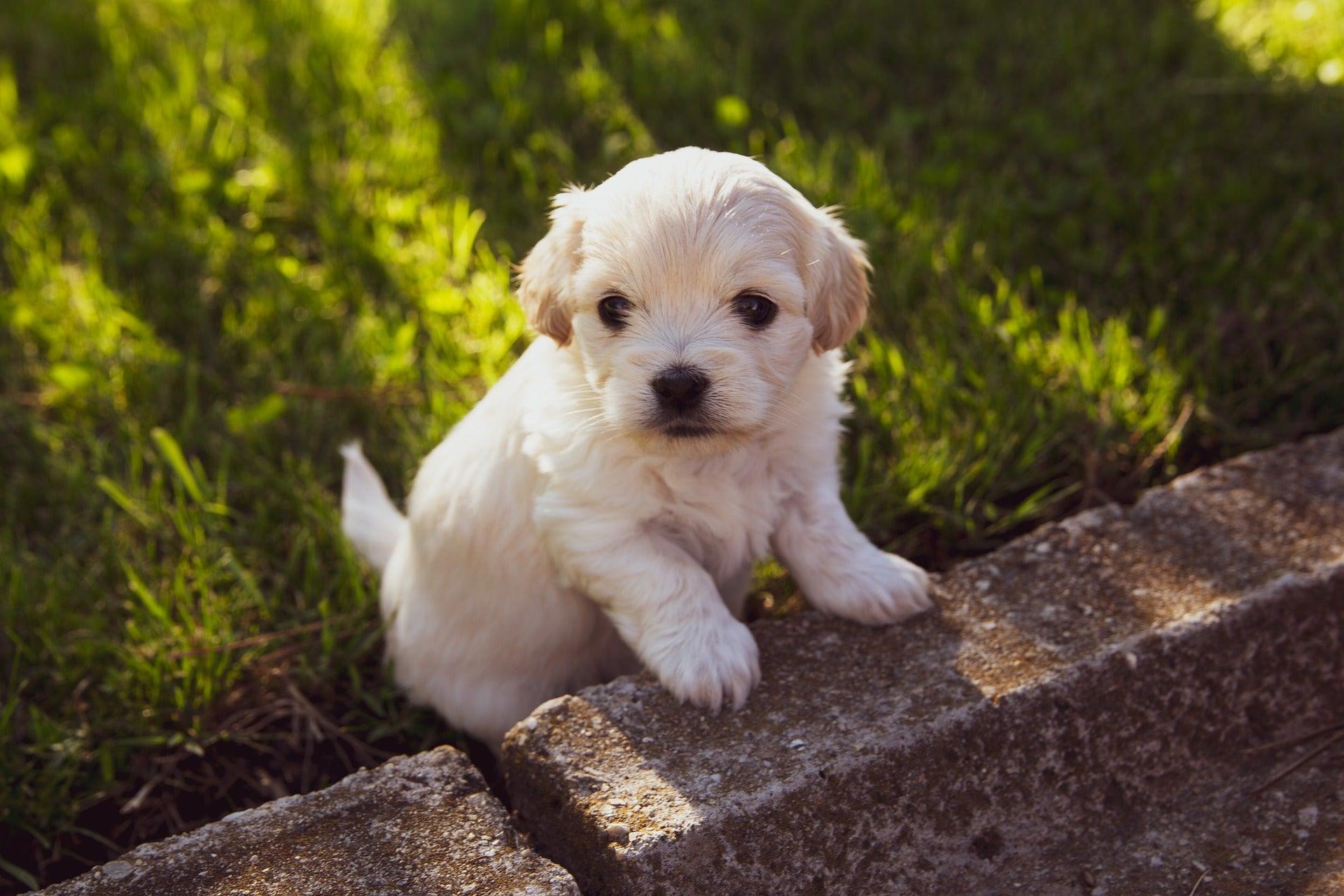
How to prepare for a puppy: a little preparation can help your puppy settle in more comfortably and start building positive habits from day one. Set up a safe sleeping space, puppy-proof your home, keep their diet and routine consistent, book a vet check-up, and use a clear new puppy checklistto get organized before they arrive.
It’s a good idea to book an initial checkup with your chosen veterinarian, and speak to them about putting a proactive care plan in place.
Remember, preparing everything in advance before you bring your new fur-baby home can help them settle in more comfortably and make the transition smoother.

Six Steps To Getting Organized: Preparing For Your Puppy
- Create a safe, comfortable sleeping space
- Puppy-proof your home to reduce risks
- Follow a consistent diet and routine
- Plan your puppy’s first vet visit and vaccinations
- Prepare for training, bonding, and socialisation
- Use a clear new puppy checklist to stay organised
New Puppy Checklist: Essentials Before They Arrive
Preparing everything in advance before you bring your new fur-baby home can help your pup settle in more comfortably and make the transition smoother.
Use This New Puppy Checklist Before Your Puppy Arrives:
- Food and water bowls
- Nutritious puppy food
- Crate or cosy bed
- Adjustable collar, leash, and ID tag
- Toys and chews (especially for teething)
- Grooming supplies
- Puppy-proofing tools (gates, covers)
- Training plan and materials
- Vet care plan and vaccination schedule
- Comfort items with familiar scents
A little planning now will mean fewer last-minute scrambles once those tiny paws arrive!
What Should I Buy For My New Puppy?

It’s easy to feel overwhelmed by the number of puppy products available. The good news? Your puppy’s needs are actually quite simple.
Focus on:
- Comfort (bed, blankets)
- Nutrition (quality food)
- Safety (collar, ID, secure spaces)
- Enrichment (toys)
You can always build on this over time as you learn what your puppy enjoys.
How Do I Prepare My House for a Puppy?
Preparing your home is one of the most important steps when learning how to prepare for a puppy, as it helps create a safe and calm environment for them to settle into.
Start With Puppy-Proofing Your Space
Puppies are naturally curious and will explore with their noses and mouths, so it can be useful to look at your home from their perspective.
You may want to:
- Remove or secure loose wires and cables
- Keep cleaning products, medications, and small objects out of reach
- Block off restricted areas using baby gates or playpens
- Move anything fragile or valuable out of low-level reach
These small changes may help reduce potential risks in many cases, while your puppy is still learning what they can and can’t explore.
Set up a Safe, Dedicated Area

Creating a space just for your puppy gives them somewhere to rest and feel secure.
This could include:
- A comfortable bed or crate
- Soft blankets (ideally with a familiar scent)
- A few safe toys for gentle play
- Easy access to water
Keeping this area quiet and consistent often helps puppies to feel more settled, especially during their first few days at home.
Plan Where Key Routines Will Happen
Thinking ahead about your puppy’s daily routine can make those first few days feel more manageable.
It can help to decide:
- Where your puppy will sleep
- Where they will eat
- Where toilet training will take place
- Which areas of the home they can access
Having this structure in place supports consistency, which many puppies respond well to as they adjust.
Create a Calm Environment
The first few days in a new home can feel overwhelming for a puppy. Keeping things calm and predictable may help them feel more comfortable.
You can support this by:
- Limiting loud noises and busy environments initially
- Introducing new rooms gradually
- Allowing your puppy to explore at their own pace
Use Your New Puppy Checklist

Follow your new puppy checklist when preparing your home in advance, so you can focus more on bonding and less on last-minute setup once your puppy arrives.
Every home, and every puppy, is different, so it may take a little time to find what works best. With a safe setup and a consistent routine, you’re giving your puppy a supportive starting point as they begin to settle in.
What Should I Feed My Puppy?
A puppy-friendly diet is an important part of preparing for a puppy, because food and feeding times shape their early routine.
Typical Puppy Diet
Many puppies do well with:
- A complete and balanced puppy food (recommended by your vet)
- Consistent feeding times (usually 3–4 meals per day when young)
- Gradual transitions if changing food
Keeping their diet consistent in the early days may help support digestion and reduce unnecessary stress during the transition.
Bringing Home Your Puppy: What Should I Do First?
One of the most common questions around how to prepare for a new puppy is what to do in those first few hours. Remember, as a new pet owner, you’re learning alongside your pup – and that’s completely normal. Many new puppy owners find that consistency matters more than perfection in the early weeks.
Let Your Puppy Lead
While it’s tempting to cuddle them straight away, it’s often best to let your puppy approach you when they feel ready. This helps build trust and reduces overwhelm.
Give them the option to:
- Stay in their safe space
- Explore at their own pace
- Come to you for reassurance
This calm, low-pressure approach may help your puppy feel safer as they begin to settle.
First Night With Your Puppy: What to Expect
The first night in a new home can be a big adjustment for your puppy, but a little preparation goes a long way in helping them settle.
To help your puppy sleep comfortably during their first night:
- Create a quiet, comfortable sleeping area, whether it’s a crate or a soft puppy bed, where your puppy can feel safe.
- Establish a calming bedtime routine, such as a gentle walk or some quiet play, to signal that it’s time to wind down.
- Make sure your puppy has access to a potty area during the night, to avoid any discomfort or accidents.
If your puppy whines or cries, offer gentle reassurance without taking them out of their bed, as too much fuss can make it harder for them to learn to sleep through the night.
Many puppies begin to feel more settled as they adjust to their new routine.
Managing Alone Time Early On
Helping your puppy gradually get used to short periods alone can support their confidence over time.
Start small:
- Leave your puppy alone for just a few minutes at a time.
- Gradually increase time apart as they become more comfortable.
- Provide toys to keep them occupied while you’re away.
If your puppy whines or barks when left alone, it may help to wait for a calm moment before returning, so that they start to associate calm behaviour with your attention.
With patience and consistency, your puppy can learn to enjoy their alone time, making it easier for both of you in the long run.
Bringing Home a Puppy at Different Ages
Not all puppies come home at the same stage of development – and your approach may need to adapt depending on their age and early experiences.
| Puppy Age | Focus on | What To Expect |
| 8–10 Weeks (Most Common Age) | Routine and consistency Gentle socialisation Creating a safe, calm environment | More crying at night Increased need for reassurance Early-stage potty training |
| 10–16 Weeks (Early Learning Window) | Positive training Controlled introductions to people, sounds, and environments Reinforcing good habits early | Curiosity and rapid learning Teething behaviours More confidence exploring |
| 4–6 Months (Older Puppies) | Consistent training Clear boundaries Patience during adjustment | Established habits (good or bad) More independence Higher energy levels |
Your First Weeks With Your Puppy – What To Expect
It’s normal for the first few weeks with your puppy to feel a little unpredictable. Some puppies settle quickly, while others take a bit longer to find their rhythm.
You may notice:
- Changes in appetite
- Sleep disruption
- High energy followed by rest
This is completely normal. Puppies are learning about their new world, and your consistency helps them feel secure.
Some days may feel easier than others, which is a normal part of the adjustment process.
How to Bond With Your New Puppy
Bonding doesn’t happen instantly, it builds through consistent, positive interactions.
Simple Ways To Build Trust:
- Spend quiet time together (no pressure to interact)
- Use gentle, reward-based training
- Hand-feed part of their meals (if appropriate)
- Play regularly with toys they enjoy
Consistency can make a noticeable difference – over time, your puppy may begin to see you as a source of safety and comfort.
Read more: How to Build a Strong Bond With Your Puppy
Is My Puppy Homesick?
It’s completely normal for puppies to feel unsettled in a new environment – especially in the first few days.
Signs your puppy may be missing their previous home:
- Whining or crying (especially at night)
- Reduced appetite
- Clingy or withdrawn behaviour
How to help them settle:
- Keep routines consistent with their previous home where possible
- Provide familiar-smelling items (blankets, toys)
- Give them space to approach you on their own terms
- Keep interactions calm and reassuring
Avoid overwhelming them with too much attention or stimulation early on.
Read more: Helping a Homesick Puppy Settle Into Their New Home
Socialization and Training for Puppies
Early, positive socialisation can support your puppy’s confidence as they experience the world around them.
Focus on:
- Gradual exposure to new environments
- Positive reinforcement training
- Safe interactions with people and other dogs
A puppy class can be a great way to support this in a structured setting.
Toilet Training Your Puppy: Where to Start
Toilet training is one of the first big milestones when learning how to prepare for a new puppy, and it’s completely normal for this to take time and consistency.
What To Expect
Young puppies typically need to go to the toilet:
- After waking up
- After eating or drinking
- After playtime
- Every 1–2 hours in the early weeks
Accidents are part of the process, your puppy is still learning.
Simple Toilet Training Routine
- Take your puppy to the same toilet spot regularly
- Use consistent cues (e.g. “toilet time”)
- Reward calmly when they go in the right place
- Stick to a predictable feeding schedule
What To Avoid
- Punishing accidents (this can create confusion or anxiety)
- Inconsistent routines
- Expecting progress too quickly
With patience, repetition, and realistic expectations, many puppies start to understand the routine over time.
Read more: Toilet Training Your Puppy: A Step-by-Step Guide
What Happens at Your Puppy’s First Vet Visit?
Your puppy’s first vet visit is an important milestone.
Your vet may:
- Perform a general health check
- Review vaccination history
- Discuss parasite prevention
- Provide feeding and routine guidance
This is also a great time to ask any questions you have.
Vaccinations & Worming: When Does My Puppy Need Them?
Your vet can guide you on the right schedule, but generally:
- Vaccinations are given in stages during early months
- Worming may be recommended regularly in young puppies
These steps help support your puppy’s development as their immune system matures.
Read more: Puppy Vaccinations: Advice For Pet Owners
FAQ: How To Prepare For A Puppy

How Do I Prepare My House for a New Puppy?
Start by puppy-proofing key areas, removing hazards, and setting up a safe, quiet space where your puppy can rest and feel secure.
What Should I Do Before Bringing a Puppy Home?
Before bringing your puppy home, prepare a sleeping area, organise food and supplies, and plan your first vet visit.
How Long Does It Take for a Puppy To Settle In?
Most puppies begin to adjust within a few days, but full settling can take several weeks depending on their age and temperament.
Should I Change My Puppy’s Food Straight Away?
It’s generally best to keep their diet consistent initially and transition gradually if needed, to help avoid digestive upset
Is It Normal for My Puppy To Cry at Night?
Yes, this is common, especially in younger puppies adjusting to a new environment.
When Can My Puppy Go Outside?
This depends on their vaccination status – your vet can advise on safe timing.
How Much Exercise Does a Puppy Need?
Puppies typically benefit from short bursts of activity throughout the day rather than long walks
Final Thoughts – Preparing for a New Puppy
Learning how to prepare for a new puppy isn’t about getting everything perfect. It’s about creating a safe, consistent, and supportive environment where your puppy can adjust at their own pace.
There may be moments of uncertainty at first, but with patience, routine, and a clear new puppy checklist, things quickly start to fall into place. Over time, you’ll learn what works best for your puppy’s personality and needs.
Over time, your preparation, patience, and the routine you’ve established can help your puppy grow in confidence and settle in comfortably.
Related Products


Recommended Reading


 C
CWritten by
Charly Chow
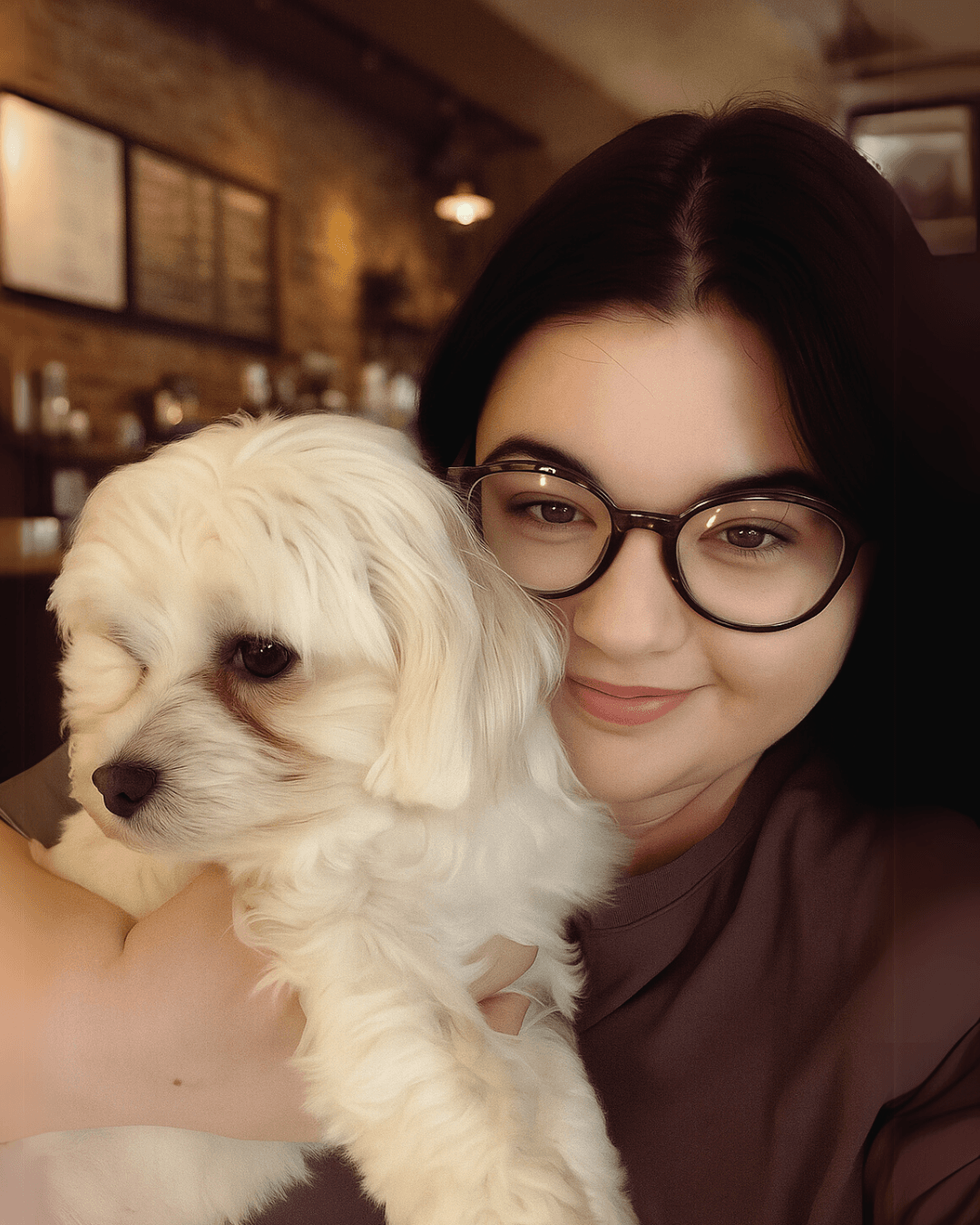
Charly Chow is a pet-industry writer with a passion for canine mental health and wellbeing. When she’s not collaborating with PetLab Co's expert vets on helpful articles for pup pawrents, Charly can be found reading, exploring antiques shops, or cuddling up with Timo and Oreo, her Maltese and Maltipoo fur babies.Stay up to date
Get notified when I publish something new, and unsubscribe at any time.