Discover why your dog loves to lay on you, exploring their affectionate behavior and what it means for your bond. Read more to understand your furry friend!

Why Does My Dog Lay on Top of Me? What This Behavior Really Means
Published by
Jan 09, 2025
Updated Feb 24, 2026
10 min read·Updated: Feb 24, 2026

Reviewed by
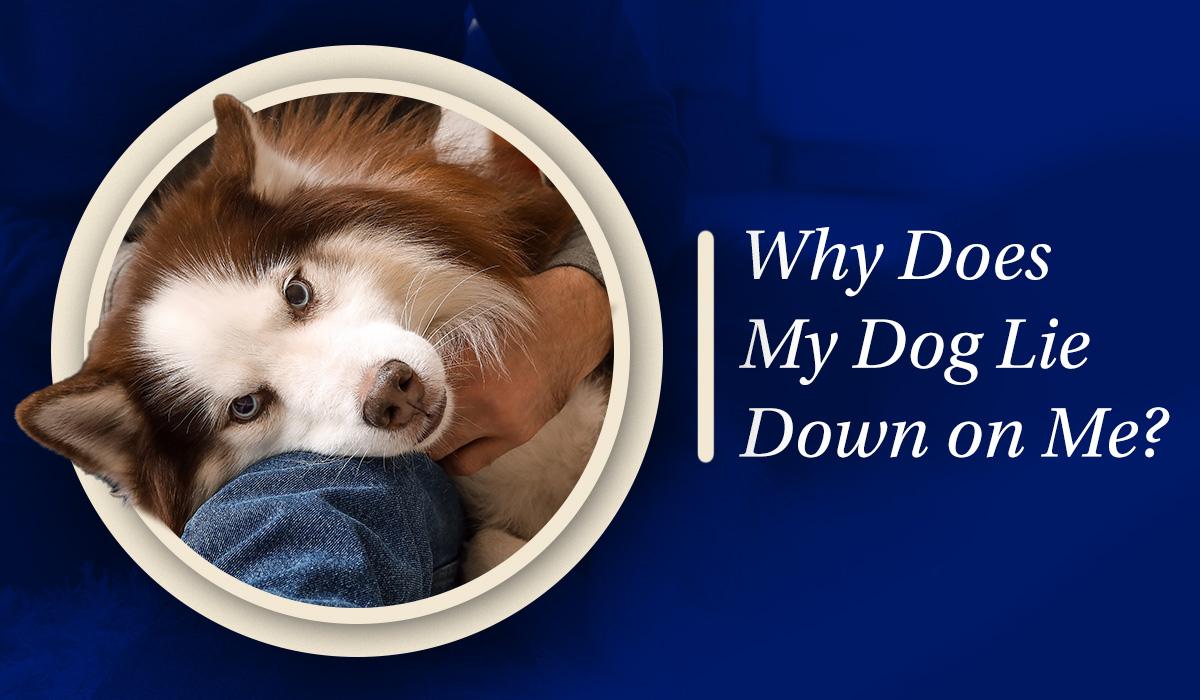
Dogs usually lay on their owners because they feel safe, bonded, and emotionally secure. This behavior is most commonly linked to attachment, comfort, warmth, and trust, not dominance. When your dog lies on top of you, they are often seeking closeness, reassurance, or body heat. In most cases, this is a positive sign of bonding and indicates that your dog sees you as a secure and trusted part of their social group.
Common Reasons Dogs Lay on Their Owners
- Security and comfort
- Bonding and affection
- Warmth
- Stress relief
- Habit and routine
- Attention seeking
- Protective positioning

Why Does My Dog Lay on Top of Me When I’m on the Couch or in Bed?
When you settle down on the sofa, or lie on your bed, your dog may see this as an invitation to rest too. Some owners describe this as having a “velcro dog,” meaning a pup that prefers to stay physically close whenever possible.
Dogs are social beings and lying on you allows them to:
- Stay close to their trusted person
- Relax their nervous system
- Feel protected and secure
Your stillness and body position make you an ideal “safe resting spot,” especially when a dog is sleeping and at their most vulnerable.
What Other Signs Should I Watch For When My Dog Lays on Me?
A dog lying on you is typically normal, but their body language and accompanying behavior can give you more insight into what they’re feeling:
- Relaxed body posture, soft eyes, slow blinking, or sighing usually signals comfort and contentment.
- Leaning heavily, pressing closely, or curling tightly against you may indicate they’re seeking reassurance or warmth.
- Following you from room to room or becoming restless when you move can suggest strong attachment, and in some cases, mild separation-related behaviors.
- Panting, pacing, whining, trembling, or clinginess during stressful events (storms, fireworks, visitors) may mean your dog is seeking security due to anxiety.
If your dog seems relaxed and settles easily, lying on you is likely a sign of trust and bonding. However, if the behavior appears sudden, excessive, or paired with signs of stress, discomfort, or behavior changes, it may be worth monitoring and consulting your veterinarian to rule out underlying causes.
Veterinary insight:

It’s important to keep an eye on your pup’s behavior when allowing them to lie on you, to ensure safe, respectful interaction.”– Dr. Thurman Legend, DVM MSL CVBP MRCVS, PetLabCo. Consultant
Why Does My Dog Lay on Top of Me? 10 Common Reasons

1. Comfort and Security
Much like humans, dogs are also creatures of comfort. Your dog may lie on top of you or lie on your chest to seek comfort and security. This is especially true if they’re tired, overstimulated, or unsure of their surroundings.
Dogs laying on their owners for comfort is especially common in:
- Rescue dogs seeking shelter and a sense of protection
- Puppies recently separated from their mothers
- Dogs prone to anxiety or experiencing separation anxiety
2. Bonding and Affection
If your dog sleeps on you, or lays on top of you, it often means they feel deeply attached to you and are seeking to strengthen your bond through physical closeness.
The next time your dog climbs on you during couch time, relax and enjoy the cuddles! Those precious moments mean the world to your beloved pooch.
3. Pack Instincts
Dogs are social animals that thrive in packs. In the wild, pack members often sleep huddled together for warmth, protection, and bonding.
When your dog lays on you, they may be instinctively following their ancient instincts to be as close as possible to their trusted human during the vulnerable activity of sleeping.
4. Warmth and Coziness
Your body gives off heat, and dogs love warm spots. This is one of the simplest explanations for why a dog might sleep on your chest or curl up on your lap, especially during colder months. If you’ve ever noticed your dog seeking out the sunniest spot in the house or curling up next to the heater, it’s because they love warmth – and what better source than their owner’s body heat?
5. Stress Relief and Reassurance
During stressful situations, such as loud noises, unfamiliar guests, or changes in routine, dogs may seek physical closeness with their trusted humans for reassurance.
Your scent, heartbeat, and presence can have a calming effect and help your pup to feel safe.
6. Protective Instincts
Some dogs may position themselves close to their owners due to strong attachment or alertness in unfamiliar situations. This doesn’t usually mean aggression – it’s more about staying close and “keeping watch.”
If your dog positions themselves on your chest or torso, they may simply want to stay alert while remaining close.
If you notice your dog acting stiffly, blocking, growling, or seeming tense when others approach you, they could be exhibiting possessive behavior that may require training or support from a professional behaviorist.
7. Habit and Routine
Dogs thrive on routine. If lying on you has become part of their daily pattern, such as during evening TV time or bedtime, they’re likely to continue doing it because it feels familiar and comforting.
8. Attention-Seeking
Sometimes, your pup may lay on top of you because they want attention. If you’ve been busy or distracted, they might plop themselves on you to remind you that they’re there and would like some belly rubs ASAP!
Interestingly, some dog breeds, such as Golden Retrievers, tend to do this more than others, and positive reinforcement can help manage this behavior.
“Reinforcing calm, independent settling behavior can help manage excessive closeness if needed.” – Dr Thurman Legend, DVM MSL CVBP MRCVS. Veterinarian Consultant to PetLabCo.
9. Health or Emotional Changes
While in most cases a dog lying on you can be considered harmless and affectionate behavior, there are instances where it may indicate something more.
In some cases, increased clinginess may coincide with pain, illness, sensory changes, or cognitive shifts — particularly in middle-aged or senior dogs. If you find that your dog just starts doing this all of a sudden, it might be worth a trip to the vet.
Dogs can also be sensitive to subtle changes in their owner’s scent, behavior, or routine, which may cause them to seek closer contact.
10. Territorial Behavior
In some cases, dogs may stay physically close to their owner due to protective instincts or strong attachment, especially in unfamiliar situations. If your dog seems suddenly overly protective of you and is laying on you more frequently or for longer intervals, they might be guarding their trusted human.

Key Takeaways
- Dogs lay on their owners for comfort, security, and bonding
- This behavior is usually affectionate, not dominant
- Warmth, routine, and pack instincts play a role
- Sudden clinginess alongside other changes may warrant a vet visit, as this can sometimes be associated with pain, illness, sensory decline, or cognitive changes – particularly in middle-aged and senior dogs.
FAQ: Why Does My Dog Lay on Top of Me?
What Are The Benefits My Dog Gets From Lying on Top of Me?
Letting your dog lie down on you can have numerous benefits for both you and your canine companion. For one, it can strengthen the bond between you and your dog, as physical touch and closeness can release oxytocin, also known as the “love hormone.” This hormone promotes feelings of affection and attachment, which can deepen your relationship with your dog.
Additionally, allowing your dog to lie down on you can provide them with a sense of security and comfort. As pack animals, dogs are naturally inclined to seek closeness with trusted members of their social group, and lying down on you can be a way for them to feel safe and protected.
Letting your dog lie down on you can also be beneficial for your mental and emotional well-being. Studies have shown that simply petting a dog can reduce stress and anxiety levels, and lying down with your dog can amplify this effect.
What Does It Mean When My Dog Sleeps on My Chest?
When a dog sleeps on your chest, it often indicates:
- Strong trust and attachment
- A desire for closeness
- Comfort from your heartbeat and warmth
This position is usually affectionate and not a cause for concern, as long as both you and your dog are comfortable.
Is It Okay to Let My Dog Lay on Me?
Yes, as long as:
- You’re comfortable
- Your dog isn’t showing signs of anxiety or possessiveness
- The behavior isn’t interfering with sleep or daily life
If you’d prefer your dog not to lay on you, gentle boundaries and consistent alternatives (like a cozy dog bed nearby) can help.
How Do I Gently Stop My Dog From Laying on Me?
If the behavior becomes inconvenient, you can manage it without upsetting your dog:
- Provide alternatives: Offer a comfortable dog bed or blanket close by
- Set gentle boundaries: Calmly guide them to another spot
- Reward alternatives: Praise or treat your dog when they choose their own space
- Be consistent: Consistency helps dogs adjust to new routines
Avoid pushing or scolding, as this can create confusion or anxiety.
When Should I Be Concerned?
Consider speaking to your veterinarian if your dog:
- Suddenly becomes very clingy, which can be a sign of them being in pain or discomfort
- Shows other behavior changes
- Seems anxious, restless, or unwell
- Is reacting differently than usual
Sudden changes are worth checking, even if the behavior itself seems affectionate.
Why Does My Dog Lay on Top of Me? Final Thoughts
When your dog lays on top of you, it’s usually a sign of comfort, trust, and connection. Whether they’re seeking warmth, reassurance, or simply enjoying being close, this behavior reflects the strong bond you share.
As long as both you and your dog are happy and comfortable, it’s usually nothing to worry about – just another reminder that, in their eyes, you’re their safe place. After all, in their eyes, you’re the best spot in the house!
Related Products


Recommended Reading


 B
BWritten by
Becca Trigg
Becca Trigg is a content creator and pet-industry writer, with over 5 years of experience at PetLab Co. She is an all round animal lover, with a keen interest in canine joint health, dental hygiene and nutrition. When she’s not typing away in the office, she can be found sitting in a country pub, growing chillies or cuddling up with her family dog Maggie, a chocolate Labrador.Stay up to date
Get notified when I publish something new, and unsubscribe at any time.