Most dogs can have cinnamon in small amounts – it is rich in antioxidants and contains cinnamaldehyde, which is thought to provide a host of health benefits for both humans and canines alike.

Can Dogs Have Cinnamon?
Published by
Sep 25, 2024
Updated Nov 10, 2025
8 min read·Updated: Nov 10, 2025
Quick takeaway: Yes, most dogs can have cinnamon in small amounts – it is rich in antioxidants and contains cinnamaldehyde, which is thought to provide a host of health benefits for both humans and canines alike. Dogs should not have cinnamon if they are diabetic, and feeding too much cinnamon can irritate your dog’s gut or mouth. If you are in doubt about whether cinnamon is good for dogs, it’s best to speak to your vet before allowing your pup to have any.
Is Cinnamon Good For Dogs, and Can My Dog Have It?
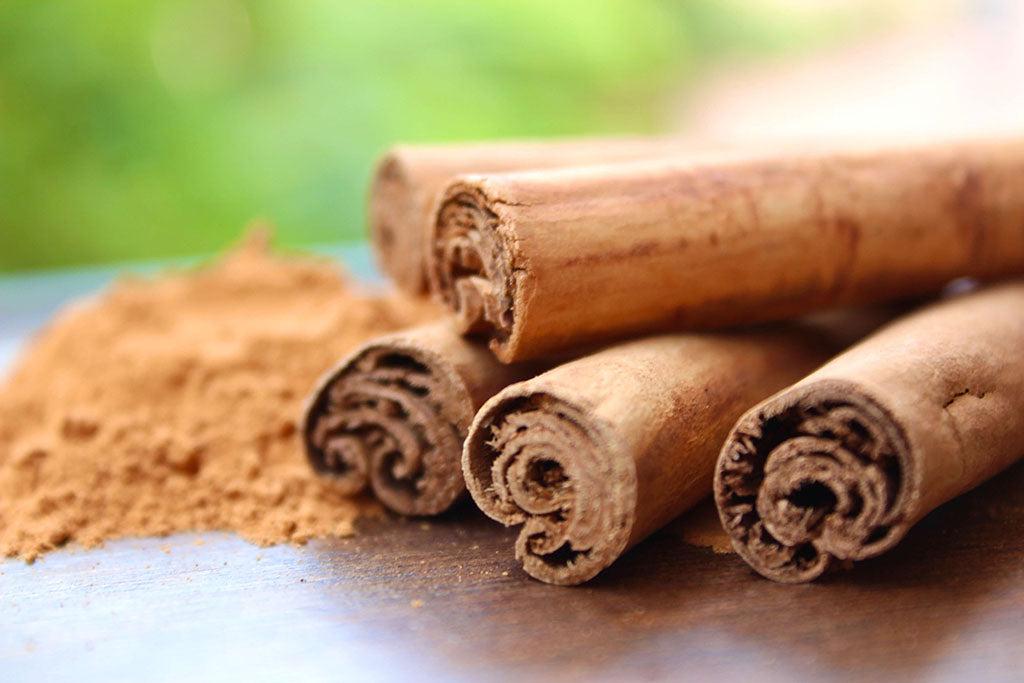
Cinnamon is sourced from the inner bark of Cinnamomum trees, which are a genus-species of tree. It has a very sweet but bitter vanilla-like smell and makes for a popular ingredient over the winter season!
Cinnamon can be considered good for most dogs in small quantities – it is touted to have anti-fungal properties, anti-inflammatory properties and is known to be rich in antioxidants.
Cinnamon is not toxic for dogs to consume, but only in moderated amounts. Too much cinnamon can cause irritation of the mouth and gastrointestinal upset in doggos.

Cinnamaldehyde: Cinnamon’s Powerhouse Antioxidant
Cinnamon contains cinnamaldehyde, an aromatic compound that gives the spice its characteristic smell and flavor. Cinnamaldehyde is thought to provide a host of health benefits for both humans and canines alike. It’s touted to have anti-fungal properties, anti-inflammatory properties and is known to be rich in antioxidants.
The Science Behind Why Cinnamon Is Good For Dogs
There have been scientific studies on the effects of cinnamon in canines.
This study found that dogs with high blood pressure and high heart rates who were fed controlled and small amounts of cinnamon ended up experiencing a lower heart rate and systolic blood pressure.
A different study conducted in humans found that when cinnamon is consumed regularly in small amounts it can help lower blood glucose levels and lower the body’s resistance to insulin. Because of this, even though this study took place in humans, it would be advisable that if your dog has diabetes it’s probably worth a conversation with your vet before offering them cinnamon!
Will Cinnamon Hurt Dogs?
In small amounts, cinnamon shouldn’t cause your dog discomfort. Half a teaspoon of cinnamon powder sprinkled over food every now and then should be well received by a dog. Or a small drop or two of cinnamon oil.
However, in larger quantities – for example, if your dog gnaws on a whole cinnamon stick – this may cause oral irritation, choking, coughing or difficulty breathing – similarly to how it does in humans if we eat a large spoonful of the stuff!
If your dog experiences diarrhea, vomiting, low blood sugar or a change in their heart rate though, these can all be signs of a cinnamon overdose and your dog should be seen by a vet urgently.

Which Products Containing Cinnamon Can Dogs Have?
Not all products containing cinnamon are safe for dogs. Cinnamon is often used as a flavoring in high fat, high sugar human foods, which dogs should never consume. Here’s a closer look at which cinnamon-containing products most dogs can safely eat – please speak to your vet about the suitability of these products for your particular pup before adding any new products to your dog’s diet:
- Can Dogs Eat Cinnamon Dog Treats? Yes — if they’re specifically formulated for dogs. Many commercial dog treats include a small amount of cinnamon for flavour and antioxidant benefits. Always choose treats made by reputable pet brands and follow the recommended feeding guidelines to prevent overindulgence.
- Can Dogs Eat Cinnamon Rolls? No, but not because of the cinnamon. Products like cinnamon rolls are typically high in fat and sugar and can additionally contain artificial sweetener (xylitol), chocolate and raisins which are toxic for dogs. These foods can also contribute to obesity, pancreatitis, and unnecessary stomach upsets.
- Can Dogs Have Homemade Cinnamon Snacks? Absolutely — when prepared safely. You can make simple dog biscuits using dog-safe ingredients like oat flour, unsweetened applesauce, pumpkin purée, and a pinch of ground cinnamon. Avoid adding sugar, nutmeg, or other seasonings, and introduce new recipes gradually to check your dog’s tolerance.
- Can Dogs Eat Cinnamon Applesauce? Most store-bought applesauce contains additives like artificial sweetener (xylitol) and excessive amounts of sugar which are both unwelcome news for a dog. However, dogs can eat apples and cinnamon in moderated quantities, but it is worth avoiding pre-made applesauce.
- Can Dogs Eat Cinnamon and Apple Together? Yes — in moderation. Fresh apple slices dusted with a light sprinkle of cinnamon make a tasty, low-calorie treat for most dogs. Be sure to remove the core and seeds, use only a small pinch of cinnamon, and offer it occasionally as part of a balanced diet.
- Can Dogs Eat Cinnamon Cereal? No. Most breakfast cereals that contain cinnamon also include added sugars, flavourings, and sometimes chocolate or raisins, which are harmful to dogs. Even small portions can lead to digestive upset and contribute to unhealthy weight gain.
-
Can Dogs Eat Cinnamon Cookies or Biscuits? It’s best not to share baked treats meant for humans. Cinnamon cookies often contain butter, sugar, and sometimes nutmeg — a spice that’s toxic for dogs in larger quantities. Stick to dog-specific biscuits that use safe, natural flavourings.
Can Dogs Eat Cinnamon-Flavoured Drinks or Lattes? Definitely not. Beverages like cinnamon lattes, teas, or hot chocolates contain dairy, caffeine, sugar, and sometimes artificial sweeteners, all of which can cause stomach upset or toxicity in dogs. Always avoid giving your dog flavoured drinks.
Conclusion: Can Dogs Have Cinnamon?
Yes — most dogs can have cinnamon in small, controlled amounts. When offered responsibly, cinnamon can add a warm, aromatic flavour and may even provide mild antioxidant and anti-inflammatory benefits. However, it’s crucial to remember that not all cinnamon products are safe. Baked goods, cereals, and flavoured drinks often contain added sugars, fats, or toxic ingredients like xylitol, nutmeg, or chocolate that can harm your dog.
The safest way for your dog to enjoy cinnamon is through treats or recipes formulated specifically for dogs, or small amounts sprinkled on dog-safe foods like apple or pumpkin. Always introduce new flavours slowly and monitor your dog for any signs of stomach upset or allergic reaction.
If your dog has underlying health conditions — particularly liver, kidney, or digestive sensitivities — or if you’re unsure about portion sizes, it’s best to check with your veterinarian before adding cinnamon to their diet.
When used correctly, cinnamon can be a safe, tasty, and wholesome addition to your pup’s treat routine — but moderation and awareness are key.
Sources
Author The Endocrine Society “Cinnamon May Improve Blood Sugar Control In People With Prediabetes” Science Daily, July 21. 2020 https://www.sciencedaily.com/releases/2020/07/200721102143.htm
Author Kaffash Alahi, Ramin “The Effect of the Cinnamon on a Dog’s Heart Performance by Focus on Korotkoff Sounds” Journal Of Animal & Veterinary Advances, 2012 https://medwelljournals.com/abstract/?doi=javaa.2012.3604.3608
Author Guthrie Lynn, “Can Dogs Eat Cinnamon? Yes, If You Weigh The Risks?” Prrs & Wags by Pumpkin, Feb 28. 2022 https://www.pumpkin.care/blog/can-dogs-eat-cinnamon/
Author Burke, Anna “Can Dogs Eat Cinnamon?” American Kennel Club, Mar 27. 2017 https://www.akc.org/expert-advice/nutrition/can-dogs-eat-cinnamon/
 S
SWritten by
Sarah Milton
Comes from a family of animal lovers and got to grow up with a menagerie of pets! I believe owning a pet is a privilege and I love researching and creating informative, fun content for fellow pet owners to help their furry friends have the happiest and healthiest lives. When I’m not writing blogs, you can find me sharing a walk with my pet dachshund or at a yoga class!Stay up to date
Get notified when I publish something new, and unsubscribe at any time.