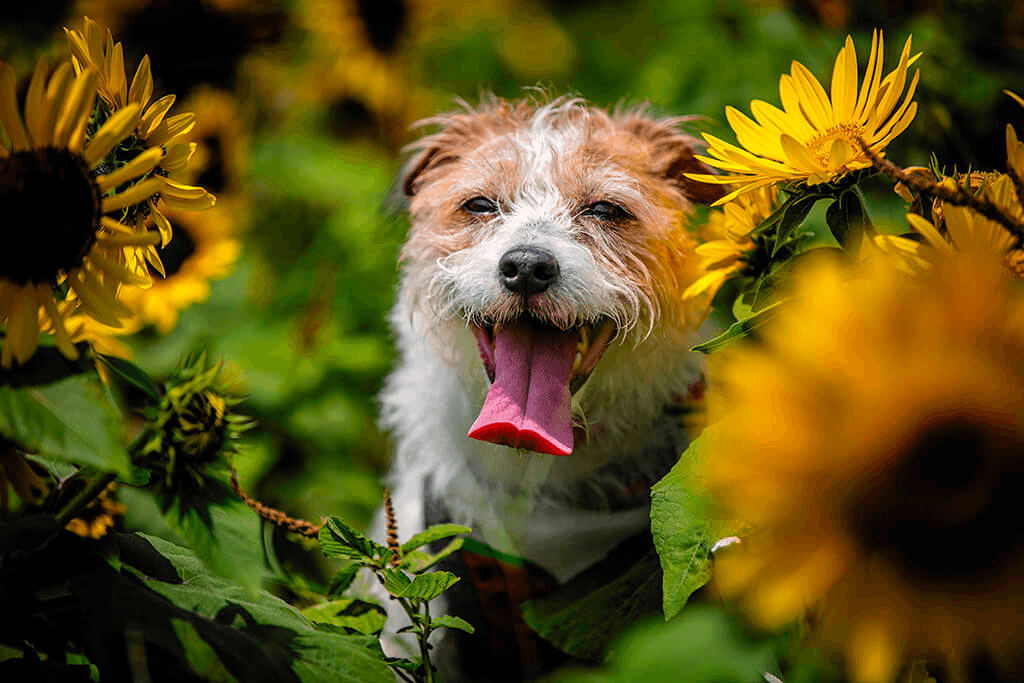
Learn how to give probiotics to dogs from a vet: You can give probiotics to dogs daily with food or separately, as part of a consistent wellness routine.

- Home/
- Dog/
- Health & Wellness/
- How Do I Give Probiotics To A Dog? – A Vet Explains
How Do I Give Probiotics To A Dog? – A Vet Explains
Published by
Dec 08, 2025
Updated Dec 22, 2025
13 min read·Updated: Dec 22, 2025
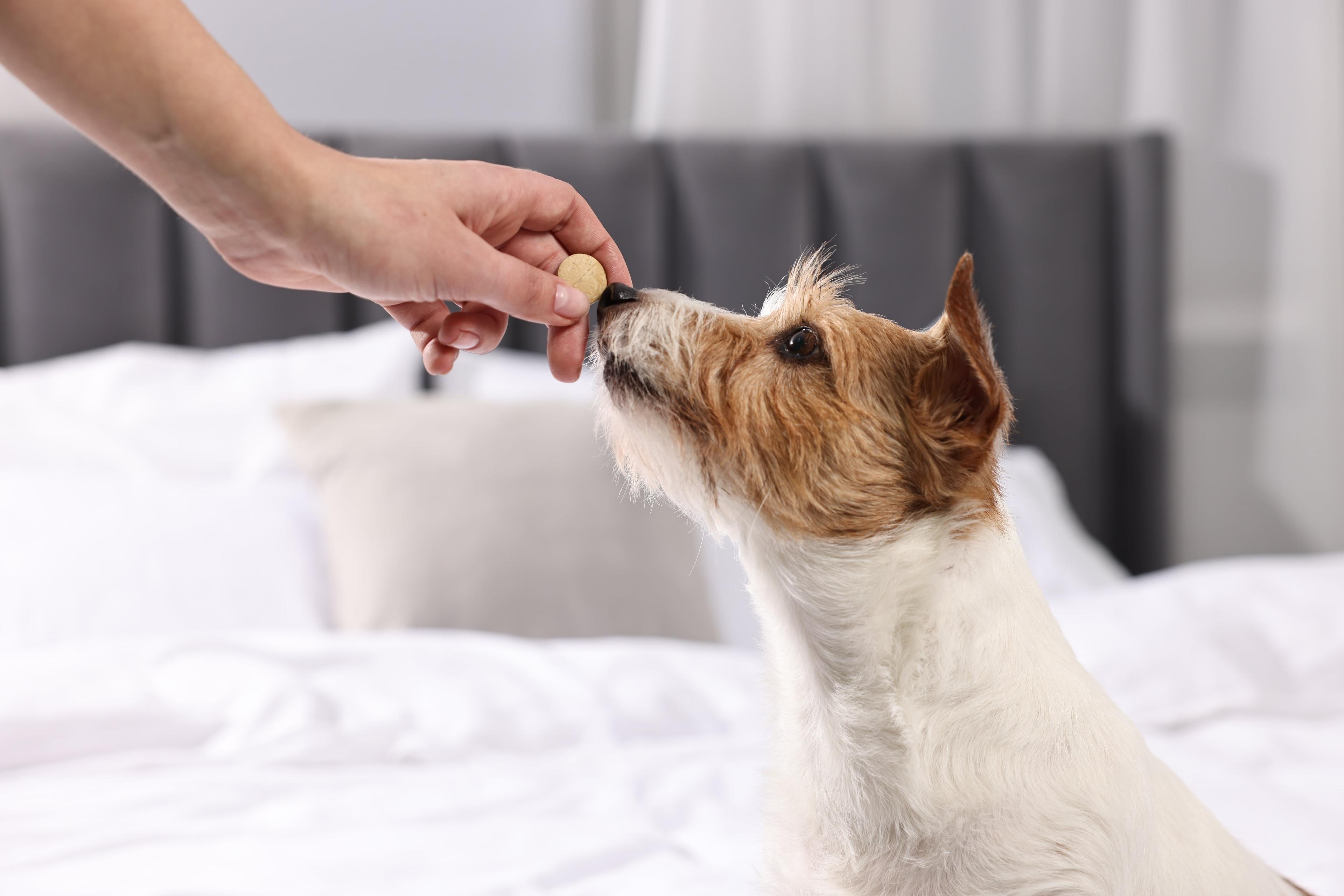
Advice for Dog Owners – How Often To Give Probiotics, And How Long For
- Probiotics can be given to dogs daily as a soft chew, powder, sprinkle-on topper, capsule, or tablet. While short-term use (10–14 days) may support occasional digestive needs, consistent daily use over time—up to 90 days—may be needed to see the full effects on digestive balance and immune support.
- Probiotics are live beneficial bacteria that may support your dog’s digestive health and wellbeing as part of a consistent wellness routine.
- There are many different types of probiotics, known as strains. PetLab Co.’s Probiotic Chew includes a blend of well-researched strains such as Bacillus coagulans, Bacillus clausii, and Bacillus subtilis — all spore-forming probiotics known for their stability and potential to help support digestive health, immune function, and a balanced gut microbiome in dogs.
- Understanding how to give probiotics to dogs helps ensure they’re delivered optimally to the digestive system, where they may offer the most potential benefit as part of a wellness routine.
- Timing matters. Giving probiotics with food can help support their travel through the digestive tract, so more of the good stuff can make it where it needs to go.
- Many pet parents prefer giving soft-chew probiotics, like PetLab Co.’s Probiotic Chew, as an easy and palatable part of their dog’s daily routine.

How Do You Give Probiotics To Dogs?
You can give probiotics to dogs daily as part of their regular wellness routine. Whether you choose a soft chew, powder, capsule, or tablet, follow the product’s instructions for timing, some are given with food, while others may be offered between meals. Probiotics are often given for at least 10 to 14 days, but many pet parents choose to use them consistently as part of a long-term approach to supporting digestive and immune health. It can take up to 90 days for your dog’s gut to acclimatise to probiotics and for potential benefits to become apparent.
Key considerations when giving probiotics to dogs:
- How to give your dog probiotics – with their meal as a topper or powder, on its own as a soft chew, or combined with a little food as a tablet or capsule.
- How often to give your dog probiotics – daily, as part of a consistent wellness routine.
- How long to give your dog probiotics for – at least 10-14 days, or ongoing to see full potential benefits (it can take up to 90 days for your dog to acclimatise).
- What to look for in a probiotic supplement – choose a high quality product with well-researched strains such as Bacillus coagulans, Bacillus clausii, and Bacillus subtilis (you’ll find these in PetLabCo.’s popular Probiotic Chews for dogs).
- When to involve your veterinarian – if you are uncertain about whether probiotics are right for your dog, or if they are already taking supplements or medications.
What Are Probiotics For Dogs?
Probiotics are live, helpful bacteria that may support your dog’s digestive health by helping maintain a healthy balance of good gut flora and supporting the beneficial microorganisms in your dog’s gut.
Common probiotic strains used in dog health supplements include:
- Bacillus coagulans – a spore-forming probiotic known for its stability and potential to support gut flora, digestive comfort, and immune health.
- Bacillus clausii – a hardy probiotic strain that may help promote microbial balance and support immune function, especially during periods of occasional digestive stress.
- Bacillus subtilis – known for its ability to support healthy digestive functionon and promote the natural gut barrier by encouraging a balanced gut microbiome.
In addition to probiotics, prebiotics (non-digestible fibers that feed beneficial bacteria) and postbiotics (beneficial compounds produced during the fermentation process by probiotics) may also support digestive and immune health. These components naturally occur in the gut but can be included in supplements for added support.
“I explain to my patients that the gut is full of different strains of bacteria that support in digestion, absorption, and overall health,” says Sharon Daley, DVM, CVA, of HealHouseCallVet.com. “Sometimes the ‘good bacteria’ in the GI tract are diminished by certain conditions or reactions, and that’s where probiotics may be beneficial in rebalancing the gut microbiome.”

Why Give Probiotics To Dogs?
Probiotics for dogs may offer a range of benefits depending on the strain, formulation, and consistent use. Many pet parents use them to support digestive health, nutrient absorption, and during periods of occasional loose stools, sensitivities, or general gut discomfort.
According to the American Pet Products Association (APPA) has reported a steady rise in the popularity of probiotics for dogs since 2018.
Probiotic benefits can vary based on strain, formulation, product quality, and usage. When used consistently, probiotics may help support:
- A healthy balance of gut bacteria
- Digestive health and nutrient absorption
- Normal digestive functionon, which is closely linked to immune health in dogs
- Occasional loose stools
- Seasonal and environmental sensitivities (when paired with pre- and postbiotics)
- General gut comfort and consistency
Important: Probiotics are not a replacement for veterinary care.
“It is important to see your veterinarian if your dog is not eating, or lethargic, or if you are using a probiotic and your dog’s occasional loose stool is worsening or not resolving,” advises Dr. Daley.
Common Types of Probiotics for Dogs
Common types of dog probiotic include:
- Soft Chews – Like PetLabCo.’s Probiotic Chew in pork flavor. These are often the easiest for dogs to accept and pet parents to give.
- Mixed into food – most probiotics in this category are available in powder or capsule forms.
- With a Small Snack – For example, plain yogurt (if tolerated), to ensure full consumption even if your dog doesn’t finish their main meal.
To ensure your dog gets the most out of their probiotic, it’s important to choose a format they’ll accept and finish. Many pet parents prefer giving their dogs a soft-chew probiotic as a simple part of their daily routine.
Why Routine Matters When Giving Dogs Probiotics
Dogs thrive on routine — and that includes how they take their supplements. Giving their probiotic at the same time and in the same way each day can help support gut consistency, help with stress around new habits, and make daily use easier for both of you.
Whether it’s with breakfast, dinner, or bedtime cuddles, sticking to a consistent schedule when giving probiotics to dogs may help your pup get the most out of the supplement.
What If My Dog Won’t Take the Probiotic?
If your dog turns up their nose at a soft chew or capsule, you’re not alone! Dogs can be picky, especially when something new is added to their routine. Here are a few simple strategies:
- Pair it with a favorite treat – give the probiotic just before or after a reward they love.
- Use a small “chaser” – for powdered or capsule probiotics, mix them into a spoonful of plain pumpkin or unsweetened yogurt (if your dog tolerates dairy).
- Use positive reinforcement – make a ritual of it with praise or a fun routine (like after a walk or before bedtime).
- Crush or break up soft chews – some dogs prefer smaller pieces or don’t like the texture of a whole soft chew.
If your dog still refuses the supplement, consult your vet to ensure there’s no underlying issue and to explore alternate delivery methods.

How Often To Give Probiotics To Dogs
Give your dog their probiotic daily (at the same time, in the same way), to ensure they receive the full benefits. It’s essential to choose a high-quality product and follow the label instructions.
How Long Should You Give Probiotics To Dogs For?
Probiotics work best when used consistently rather than just during periods of digestive upset. Vets typically recommend giving dogs probiotics for at least 10 to 14 consecutive days, to ensure the dog receives the full benefits of the supplement.
“I typically recommend giving dogs probiotics for at least 10 to 14 days when needed,” Dr. Daley explains. “There’s enough potential benefit to support daily use on an ongoing basis.”
How Long Does It Take For Dog Probiotics To Work?
In most cases, it may take 2–4 weeks of daily, consistent use to start seeing visible benefits from giving dog probiotics. These benefits could include firmer stools, less gassiness, or more consistent energy levels.
Just like with human supplements, it can take time for probiotics to begin making a noticeable difference. This is because your dog’s gut microbiome needs time to balance and respond.
If you stop giving the probiotic too early, you may not give your dog’s system enough time to respond, so patience is key. If in doubt, check in with your veterinarian about how long to continue.
If you are concerned about your dog’s bowel movements or overall wellbeing, consult your veterinarian promptly.
How Do I Know If Dog Probiotics Are Working?
Most pet parents may notice changes like stool consistency or reduced gassiness within a few weeks of giving their dog probiotics.
After giving your dog PetLabCo. Probiotic Chews consistently for a few weeks or months, you may begin to see things like:
- Firmer stools
- Less gassiness
- Normal appetite
- Healthy energy levels
As always, your veterinarian can help determine whether probiotics should be used temporarily or become a regular part of your dog’s wellness routine.
Can Giving My Dog Probiotics Help Support Their Digestive and Immune Health?
Probiotics like Bacillus coagulans may help maintain a healthy gut flora, which plays a role in nutrient absorption and general gut comfort. Since nearly 70% of your dog’s immune system is housed in the GI tract, a balanced gut environment is essential to overall wellbeing.
What to Look For in a Dog Probiotic Supplement:
- Contains scientifically studied strains (e.g., Bacillus coagulans)
- Includes prebiotics and vitamins for added support
- Third-party tested for suitability, quality, and consistency
- Vet-reviewed at formula level for benefits and quality
- Manufactured in the USA with high-quality ingredients
- Highly palatable – this is really important for daily use
Signs Your Dog May Benefit from a Probiotic
Some pet parents begin using probiotics after noticing occasional digestive changes in their dog. While probiotics are not intended to diagnose or treat any condition, signs that may suggest your dog could benefit from added gut support include:
- Intermittent loose stools
- Changes in stool consistency after dietary shifts
- Occasional gassiness or digestive discomfort
- Seasonal sensitivities that affect appetite or energy
- General maintenance of wellness in senior dogs
Always speak to your vet to rule out underlying medical conditions before starting a new supplement.
Can Probiotics Help with Seasonal or Environmental Allergies in Dogs?
If your dog experiences seasonal itching, paw licking, or sensitivities to things like pollen or dust, you might be wondering whether probiotics can offer support. While probiotics are not a treatment for allergies, they may play a role in supporting your dog’s immune health from within.
Because around 70% of a dog’s immune system is located in the gut, a balanced and diverse gut microbiome is essential for maintaining a healthy immune response. Probiotics may help support this balance by encouraging the growth of beneficial bacteria and promoting overall digestive function, which is closely tied to immune performance.
When combined with prebiotics (which feed good bacteria) and postbiotics (beneficial byproducts of probiotics), certain probiotic blends may also help dogs maintain healthy skin, manage occasional itching, and support overall wellbeing—especially during high-allergen seasons.
Probiotics may be one piece of a broader strategy for supporting dogs with seasonal sensitivities. If your dog experiences persistent discomfort, it’s important to speak with your veterinarian.
PetLabCo.’s Probiotic Chew – Daily Digestive Support For Dogs
PetLabCo.’s Probiotic Chews are formulated for daily use and are available in pork or salmon flavor to suit your dog’s preferences. Their soft-chew format makes them easy to give, even for picky pups, turning supplement time into an enjoyable moment.
Each soft chew features a carefully selected blend of ingredients that may support your dog’s digestive and immune health as part of a balanced wellness routine:
- Probiotic strains like Bacillus coagulans and B. subtilis, which may help maintain a healthy gut flora and support normal digestive health
- Prebiotic fibers such as Fructooligosaccharides (FOS), which nourish beneficial bacteria and may promote microbial balance
- Postbiotics, beneficial compounds produced during fermentation by probiotics, which may help support gut barrier integrity and promote a healthy digestive environment.
The vet-reviewed formulation is free from artificial preservatives and manufactured in the USA using high-quality, domestic and globally-sourced ingredients.
Each tub includes a clear dosage chart based on your dog’s weight, making it simple to deliver the appropriate daily amount. For best results, administer the soft chew consistently each day at the same time, such as with a meal or part of a routine.
Always consult your vet before starting a new supplement. But for those looking to support their dog’s gut health with a convenient, high-quality option, PetLabCo.’s Probiotic Chew is a popular choice.
How To Give Probiotics To Dogs – FAQs
How often should I give my dog probiotics?
Daily use is typically recommended unless otherwise directed by your vet.
How long does it take for probiotics to work in dogs?
Most dogs may show improvements in 2–4 weeks with consistent daily use.
Are probiotics suitable for dogs?
Probiotics are generally well-tolerated by dogs. Always consult your veterinarian before introducing any new supplement to your pup’s routine.
Do probiotics help dogs with diarrhea?
Probiotics may help support normal digestive function. If your dog has diarrhea, speak with your vet before using any supplement.
Giving Probiotics To Dogs: Final Thoughts
Probiotics offer a simple, daily way to help support your dog’s digestive and immune wellness. By contributing to a balanced gut microbiome, they may play a role in digestive wellnesson, nutrient absorption, and overall comfort.
PetLabCo.’s Probiotic Chew makes daily support easy and enjoyable. With dog-approved flavors and a vet-reviewed formula, it’s a convenient tool for pet parents looking to enhance their pup’s wellness.
But remember: every dog is different. Always talk to your vet before introducing a new supplement. They can help ensure it’s the right fit for your pet’s unique needs.
 C
CWritten by
Carol Bryant
Carol is the Immediate Past President of the Dog Writers Association of America and is well-known in the pet industry, appearing on television, radio shows, and podcasts, as well as in articles from CNN and Yahoo to Dogster and Today.com. She is a copywriter, content marketer, and awarded blogger who owns FidoseofReality.com and SmartDogCopy.com.Stay up to date
Get notified when I publish something new, and unsubscribe at any time.