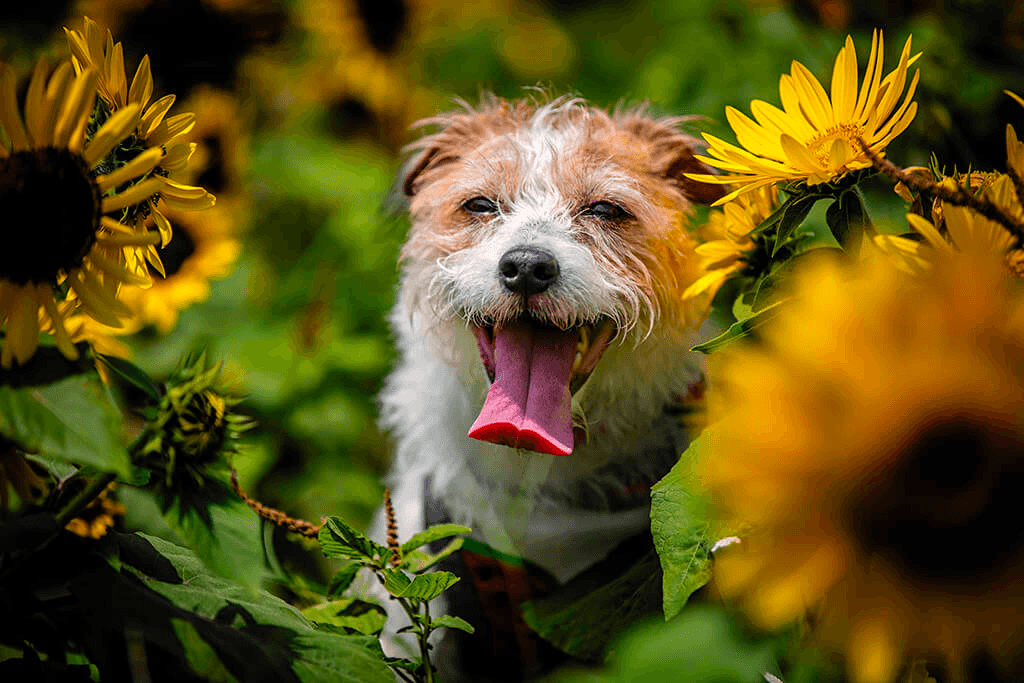
Winter changes your dog’s routine, from colder walks and indoor heating to festive visitors, fireworks and travel. Not every dog needs extra support in winter, but if yours has a specific need, this vet-reviewed guide covers five supplement options to discuss with your vet, what each is designed to support, how they are given and when to check with your vet first.

- Home/
- Dog/
- Health & Wellness/
- 5 Vet-Reviewed Winter Supplements for Dogs
5 Vet-Reviewed Winter Supplements for Dogs
Published by
Nov 25, 2026
Updated Nov 25, 2026
18 min read·Updated: Nov 25, 2026

Medically reviewed by: Dr Legend Thurman DVM, MSL, CVBP, MRCVS, PetLabCo.® consultant | Last reviewed: 11/24/26
Winter can bring a different set of challenges for some dogs, and owners often ask me which supplements are worth considering as the temperature drops. Colder weather, changes in activity, more time indoors with dust and dry heating, a busier household over the holidays and louder nights around New Year can all affect a dog’s comfort and wellbeing. That does not mean a dog needs extra supplements simply because winter has arrived. Many healthy dogs eating a complete and balanced diet will not need to change their supplement routine with the seasons, and the decision to add a product should be based on an identified need in your individual dog. Appropriate exercise, balanced nutrition, a comfortable environment and regular vet check-ups come first. For some dogs, a well-chosen supplement can be one part of that broader winter wellness plan. Below are five options to discuss with your vet, and what to know about each.
Key takeaways: Dog winter supplements
- Winter supplements are daily products designed to support normal function. They are not medicines and they do not treat or prevent illness.
- The five options below are products to discuss with your vet if your dog has a specific need: seasonal/environmental allergy and skin support, joint support, immune support, broader nutritional support and calm during busy festive periods.
- You do not need all five, and many healthy dogs on a complete and balanced diet will not need any. If your dog has an identified need, start with that area and add one product at a time.
- Supplements work gradually, but there is no single timeline that applies to every product. PetLabCo.® says some of its products can take up to 90 days of consistent use to show their best potential benefits, while others have specific directions around events. Never delay a vet visit or treatment while waiting to see whether a supplement helps.
- Talk to your vet before starting anything new, especially if your dog takes medication, has a health condition, is pregnant or nursing, or has a procedure planned.
Winter can bring changes to a dog’s environment, activity levels, and daily routine, and those changes may affect individual dogs in very different ways. I encourage owners to think about their dog’s individual needs before the season begins, particularly if they already have an underlying medical or behavioral concern. Supplements may have a place in that conversation, but maintaining appropriate exercise, balanced nutrition, a comfortable environment, and regular veterinary care should always remain the foundation of a thoughtful winter wellness plan.
Dr Legend Thurman DVM, MSL, CVBP, MRCVS Consultant to PetLabCo.®

Some dogs may experience more noticeable mobility challenges during winter, others may continue to be uncomfortable due to struggle with environmental sensitivities, and some may find the increased activity and unfamiliar experiences of the holiday season overwhelming – the important thing is finding a support plan that best suits your dog, so that they can enjoy the holiday season.
Which supplements should I consider for my dog in winter?
1. Allergy & Immune Chew: for winter allergy support
Winter does not mean the end of sensitivities. Dogs can react to environmental triggers all year round, and when the heating is on and the windows are closed, changes in the indoor environment may affect how many a dog is exposed to. If your dog scratches, licks their paws or shakes their head more at this time of year, tell your vet first, since many signs overlap with other concerns. Persistent itching should always be checked by your vet, rather than managed with a supplement alone.
The Allergy & Immune Chew is a daily soft chew formulated to support skin comfort and a balanced immune response during occasional sensitivities. Each soft chew contains a proprietary probiotic blend, colostrum, prebiotics and postbiotics, together with total omega fatty acids 3, 6 and 9. Omega fatty acids may help support skin barrier health.
- How it is given: one soft chew a day, in the size that matches your dog’s weight (small under 25 lbs, medium 25 to 75 lbs, large over 75 lbs).
- Good to know: it is pork flavored, and the ingredients include dairy and marine sources, so check the full list if your dog has sensitivities. It is suitable for dogs 12 weeks and older, and a vet exam is recommended before use.
- Best for: dogs with seasonal or year-round sensitivities whose vet has checked for other causes of itching, as one part of a plan agreed with your vet.
2. Advanced Joint Care Chew: for joint support in colder weather and all year round
Many owners tell me their dogs seem slower to get up, more reluctant to exercise or less comfortable during colder weather. These observations deserve attention, particularly in senior dogs or dogs with a known need for joint support. There are many possible causes for a dog moving more slowly or seeming stiffer on cold mornings or after a chilly walk, including certain health conditions that may require veterinary attention – I recommend taking your dog for a checkup if you notice any new or worsening stiffness or signs of occasional discomfort during movement. For dogs who are generally healthy, a daily joint supplement can be one part of keeping them comfortable and active through the winter.
PetLabCo.®’s Joint Care Chew Advanced is a salmon-flavored soft chew made to support joint comfort, flexibility and mobility. It contains glucosamine HCl, MSM, green lipped mussel, chondroitin sulfate, boswellia and omega-3 fatty acids, and it is made to help with occasional stiffness from normal daily activity.
- How it is given: the amount depends on weight, from 1 soft chew a day for dogs under 25 lbs up to 4 a day for dogs over 75 lbs. Follow the directions on the tub.
- Good to know: it contains shellfish and fish ingredients, so check the label if your dog has a sensitivity. Consistency matters more than timing, so it can be given year round.
- Winter tips alongside it: keep walks regular but shorter if it is very cold, dry your dog after wet outings, offer a warm, padded bed away from drafts, and keep your dog at a healthy weight, which is one of the most meaningful things you can do to support long-term mobility.
One of the things I emphasize most when discussing joint health with pet owners is that slowing down is not always a normal part of getting older. Dogs may show subtle changes long before they develop obvious signs, including taking longer to rise, hesitating before jumping, becoming less enthusiastic about walks, or having difficulty navigating stairs. Some owners notice these changes more during colder months, but regardless of the season, persistent stiffness deserves veterinary attention.
Dr Legend Thurman DVM, MSL, CVBP, MRCVS PetLabCo.® consultant
Early recognition of joint support needs allows your vet to develop a tailored multimodal management plan for your dog that prioritizes comfort, mobility, and quality of life. Joint supplements may play a supportive role for some dogs, but they should complement, rather than replace, appropriate comfort management, weight control, and individualized exercise.
3. ImmunoBlend™ Colostrum Powder: for daily immune support
Winter is a time many owners think about their dog’s immune health, particularly with more time spent indoors, boarding and busier households. Colder weather does not in itself weaken a healthy dog’s immune system, and a dog eating a complete and balanced diet generally has the nutritional foundation to support normal immune function. Routine preventive healthcare, appropriate vaccination, balanced nutrition and good day-to-day care remain the foundations of keeping your dog healthy through the winter. If you and your vet identify a reason to add one, a supplement can support the normal function of the immune system as part of a daily routine. It is important to call your vet if your dog seems unwell.
ImmunoBlend™ Colostrum Powder is a daily powder built around one active ingredient: bovine colostrum from grass-fed cows on US farms. Colostrum naturally contains bioactive components, including immunoglobulins such as IgG and lactoferrin, which may help support a heathly immune system when given daily as part of a consistent wellness routine.
- How it is given: one scoop a day, added to your dog’s bowl at mealtime. The scoop size depends on weight: 1 little scoop for dogs under 25 lbs, 1 big scoop for 25 to 75 lbs and 2 big scoops for dogs over 75 lbs.
- Good to know: it contains bovine colostrum and goat’s milk powder, so introduce it gradually if your dog is sensitive to dairy, and ask your vet first. It should be given with or after food.
- Best for: owners who want a simple, focused daily powder rather than a multi-ingredient formula.
4. DF-14™ Daily Foundation: for overall winter wellbeing (and year-round support)
If you and your vet have identified a reason to add broader foundational nutritional support, one product may be simpler than introducing several separate supplements. Dogs eating a complete and balanced diet may not need extra supplementation, so this is an option to discuss with your vet rather than a starting point for every dog. DF-14™ Daily Foundation is a daily powder that supports 14 key health systems with one daily scoop. It combines probiotics, postbiotics, krill omegas, glucosamine and other researched ingredients to support areas including gut health, joint mobility, skin and coat and immune function.
- How it is given: one daily scoop, sized for your dog’s weight. Follow the directions on the tub.
- Good to know: because DF-14™ shares ingredients with some targeted products, such as probiotics, omegas and glucosamine, check labels for overlap before adding a second product, and ask your vet if you are unsure.
- Best for: dogs whose vet agrees they would benefit from broader daily foundational support, either on its own or with one targeted product, instead of several separate supplements.
5. NeuraBlend™ Calming Chew: for festive gatherings, fireworks, travel and boarding
The festive season is wonderful for people, but it can be a lot for some dogs. Visitors, noise, unfamiliar surroundings, car journeys and nights away from home can all be unsettling. Mild, short-lived stress in a new situation is different from significant noise aversion or behavior that may require veterinary assessment. Dogs who show substantial fear, for example around fireworks, may need a more comprehensive plan from their vet. For every dog, a predictable routine, appropriate training and access to a quiet space matter most. A calming supplement may be one part of a broader plan, with the aim of helping your dog feel comfortable rather than simply hiding signs of distress.
NeuraBlend™ Calming Chew is a daily soft chew built around ten calming ingredients, including chamomile, passion flower, valerian root, L-theanine and a postbiotic blend. It is made to help promote a calming effect, support normal emotional balance and help dogs cope with everyday stressors, including travel, loud noises and changes in routine, without compromising personality or normal energy levels. The evidence for individual calming ingredients varies, and how a dog will respond to a multi-ingredient formula cannot be predicted from its ingredient list alone, so it should not be relied on to prevent distress at a stressful event.
- How it is given: one soft chew a day in the size for your dog’s weight. For a known event, such as festive visitors, a long journey, New Year’s Eve fireworks or a kennel stay, the label says to double the daily amount starting 7 days before the event, keep it doubled during the event and for 2 days afterward, then return to the normal amount.
- Good to know: use with caution alongside CNS depressants and do not give before anesthesia. Safe use in pregnant animals or animals intended for breeding has not been proven.
- Plan ahead: because the event schedule starts a week early, put the date in your calendar. If your dog has shown significant fear at past events, speak to your vet well before the date rather than relying on a supplement alone. For a step-by-step guide, see our how-to-use guide for NeuraBlend™ Calming Chews.
When helping owners prepare their dogs for holiday gatherings, travel, or fireworks, I always encourage them to plan around their dog’s emotional needs rather than simply the event itself. Predictable routines, access to a safe and quiet space, and positive, gradual exposure to new experiences can make a meaningful difference. Calming supplements may be one component of a broader plan, but our priority should always be helping dogs feel genuinely comfortable.
Dr Legend Thurman DVM, MSL, CVBP, MRCVS PetLabCo.® consultant
For dogs with significant noise sensitivities, additional veterinary support may be necessary, and it is much better to have that conversation before a stressful event than after your dog has already experienced substantial distress.
Can I give more than one dog supplement during winter?
Often yes, but add one at a time and check the labels. PetLabCo.® lists NeuraBlend™ among its approved combinations with the Allergy & Immune Chew, the Probiotic Chew and Anal Gland Support, and says ImmunoBlend™ is designed to fit into an existing routine, including other PetLabCo.® products. A few things to check first:
- Overlapping ingredients. DF-14™ and the Advanced Joint Care Chew both contain glucosamine, and DF-14™ and the Allergy & Immune Chew both contain probiotics and omegas. Ask your vet whether you need both.
- Overlapping jobs. The Allergy & Immune Chew and ImmunoBlend™ both support immune health, in different ways. A multi-ingredient soft chew and a single-ingredient powder are two routes to a similar goal, so ask your vet before using both.
- Introduce one at a time. Wait a few days before adding the next, so you know the likely cause of any upset stomach.
- Keep it short. A short routine with a clear reason for each product is easier to follow and review than a long list.
For more on building a routine, see our guide to stacking dog supplements.

Which supplement is best for my dog this winter?
| If your main concern is… | Supplement option to discuss with your veterinarian |
| Winter allergy support | Allergy & Immune Chew |
| Joint comfort in colder weather | Advanced Joint Care Chew |
| Immune support through the winter | ImmunoBlend™ Colostrum Powder |
| Everyday wellbeing | DF-14™ Daily Foundation |
| Festive gatherings, fireworks, travel and boarding | NeuraBlend™ Calming Chew |
Your dog’s age, health, diet and medication all matter, and many healthy dogs on a complete and balanced diet will not need a supplement at all. Use this table as a starting point for a conversation with your vet, not as a recommendation for every dog.
When should I check with my vet before giving a dog supplement for winter support?
Please speak to your vet before starting a supplement if:
- Your dog takes medication.
- Your dog has an existing health condition.
- Your dog is pregnant, nursing or intended for breeding.
- Your dog has a known sensitivity to an ingredient, such as pork, dairy, shellfish or fish.
- Your dog has a procedure planned. Tell the clinic about every supplement your dog takes.
Call your vet promptly if you notice:
- A change in appetite, stool quality, or signs that your dog is in discomfort.
- Signs of prolonged or ongoing discomfort during everyday movement, stiffness, slowness to get up, reluctance to exercise or a sudden change in mobility.
- Itching that does not ease, recurring ear problems, or changes to the skin, ears or paws.
- Signs of significant fear or anxiety around noises, visitors, travel or boarding.
- Sudden changes in behavior, sleep or toilet habits.
What should I remember about winter supplements for dogs?
If you take only a few things from this guide:
- Only add a supplement if your dog has an identified need, and start with one product.
- Follow the directions on each product and check for overlapping ingredients.
- Give supplements time, but timelines vary between products, and never delay a vet visit while waiting for a supplement to work.
- Plan for known events, such as visitors, travel, boarding and fireworks, well ahead, and talk to your vet early if your dog finds them very stressful.
- Talk to your vet, especially if your dog takes medication or has a health condition.
Frequently asked questions: which dog supplements do vets recommend in winter?
What supplements should I give my dog in winter? There is no single winter supplement for dogs that best suits every pup, and many healthy dogs eating a complete and balanced diet will not need one. If your dog has a specific need, options to discuss with your vet include a daily Allergy and Immune soft chew, a joint supplement, a colostrum powder for immune support, a broad daily foundation support powder such as DF-14™, and a calming soft chew for busy or noisy periods.
Do dogs need different supplements in winter? Not necessarily. Winter itself does not create a new nutritional requirement, and many healthy dogs eating a complete and balanced diet will not need to change their supplement routine with the seasons. Some owners plan around their own dog’s patterns, such as sensitivities, mobility changes or busy holiday weeks. Talk to your vet about what makes sense for your dog.
Can dogs have seasonal allergies in winter? Yes. Indoor allergens can cause signs all year round in susceptible dogs, and certain seasonal allergens may affect your dog differently in winter. Itching, paw licking and ear problems can also be caused by ceratin health conditions, so see your vet first.
Can joint supplements help with stiffness in cold weather? A joint supplement may support joint comfort and mobility as part of a wider plan. Stiffness is not just a normal part of aging or cold weather, and it can be an early sign of a health issue, so see your vet to find the cause and agree a plan, which may include weight management, controlled exercise and comfort support.
Can supplements prevent my dog from getting sick in winter? No. Supplements support normal function, including a healthy immune system, but they do not prevent or treat illness. Routine preventive care, vaccination and balanced nutrition remain the foundations. Call your vet if your dog seems unwell.
How do I use NeuraBlend™ for fireworks or travel? Give one soft chew a day. For a known event, the label says to double the daily amount starting 7 days before it, keep it doubled during the event and for 2 days afterward, then return to the normal amount. Use with caution alongside CNS depressants, and do not give before anesthesia. If your dog is very frightened of fireworks or travel, talk to your vet well before the event, as some dogs need a more comprehensive plan, which may include prescription medication.
Can I give my dog these supplements together? Often, yes, but introduce one at a time, check labels for overlapping ingredients and ask your vet. For example, DF-14™ and the Advanced Joint Care Chew both contain glucosamine.
How long do winter dog supplements take to work? There is no single timeline for every supplement. PetLabCo.® says some of its products can take up to 90 days of consistent use to show their best potential benefits, while others, such as NeuraBlend™, have specific directions around events. Follow each label, and do not delay seeing your vet while waiting for a product to work.
Are these supplements suitable for puppies? It depends on the product. The Allergy & Immune Chew, ImmunoBlend™, the Advanced Joint Care Chew and NeuraBlend™ are suitable for dogs 12 weeks and older. Check each label and talk to your vet before starting a supplement in a young dog.
The information in this article is for general education and is not a substitute for professional veterinary advice. These statements have not been evaluated by the Food and Drug Administration. This product is not intended to diagnose, treat, cure or prevent any disease. Results may vary.
Related articles
- Want to know which PetLabCo.® chew is right for your dog’s needs? Read PetLabCo.® Probiotic Chew vs. Allergy and Immune Chews – Key Benefits and Differences.
- Want to know more about giving the Allergy & Immune Chew? Read How to use PetLabCo.® Allergy & Immune Chews for dogs.
- Want to know more about joint supplements and what to look for? Read Dog Supplements for Joints: How Do They Work?.
- Want to know more about colostrum and what the evidence says? Read Colostrum for Dogs: A Vet Explains Potential Benefits & How To Use It.
 C
Written by
Charly Chow
Charly Chow is a pet-industry writer with a passion for canine mental health and wellbeing. When she’s not collaborating with PetLab Co's expert vets on helpful articles for pup pawrents, Charly can be found reading, exploring antiques shops, or cuddling up with Timo and Oreo, her Maltese and Maltipoo fur babies.Stay up to date
Get notified when I publish something new, and unsubscribe at any time.